Sylvia and Lucas seek to remedy a shared blindspot with an exploration of shoujo anime and live action series.
Disclaimer:The views and opinions expressed by the participants in this chatlog are not the views of Anime News Network. Spoiler Warning for discussion of the series ahead.
Lucas Sylvia, it seems like the more I write about anime and related media, the more I realize that there's a lot I don't know about this space! Two of my big blind spots are shojo anime and manga adaptation outside of anime. Thankfully, there are A LOT of live-action adaptations of popular shojo titles, allowing this column to be a "two birds with one stone" affair! Do you care to escort me down both of these rabbit holes?
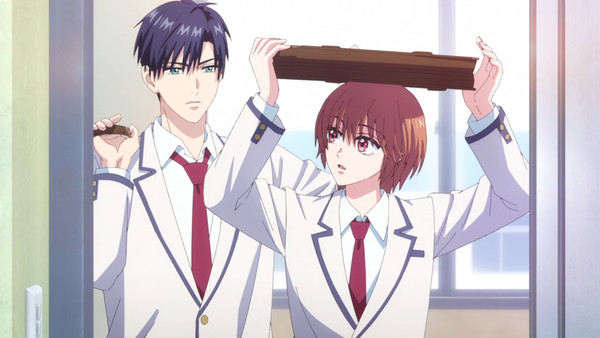
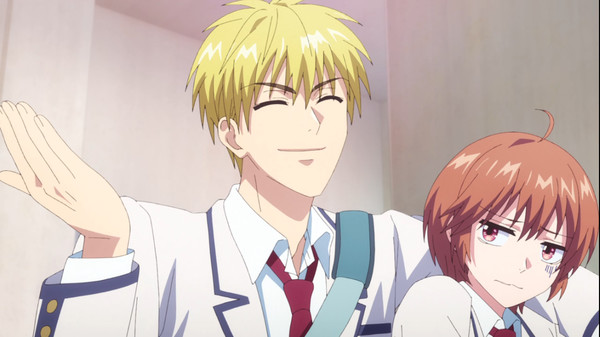
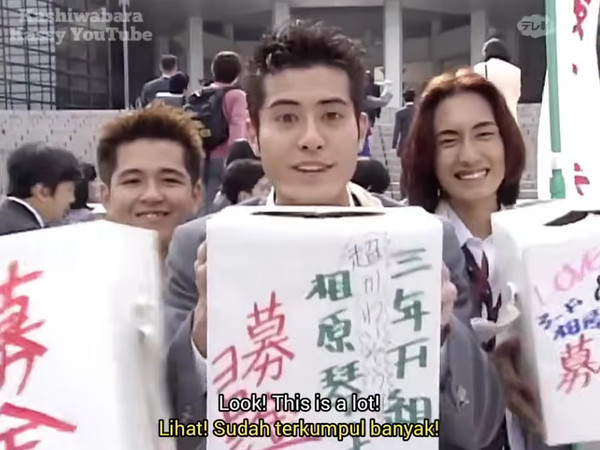
Sylvia I wouldn't blame you if that were the case! But I must commiserate with you about my similar shojo blindspots. Writing for this column has helped with that, no lie, but there's still a lot out there I haven't even heard of. While I'd love to shoulder all the blame for that myself, I have to consider that I am primarily an anime watcher. Shojo anime just doesn't receive the kind of visibility and promotion in America that other demographics benefit from. And heck, it took us three whole decades to get an anime version of Hana-Kimi! Even I know that one's a classic.
Which is to say: did you know there were that many live-action takes on Hana-Kimi? I sure didn't!
I am now so curious about how shojo series are disseminated and what legal dimensions are involved in a Japanese IP being developed into a drama series in East Asian countries! Hana-Kimi alone has four live-action adaptations (that I'm aware of), which include a Taiwanese adaptation from 2006, two (loose?) Japanese adaptations, and a 2012 South Korean series that's being hyped up by a bunch of streaming services that I've never heard of.
And while Hana-Kimi resonated with me the least out of all of the franchises we checked out for this column, I gotta respect that it's apparently big enough to garner this kind of international attention.
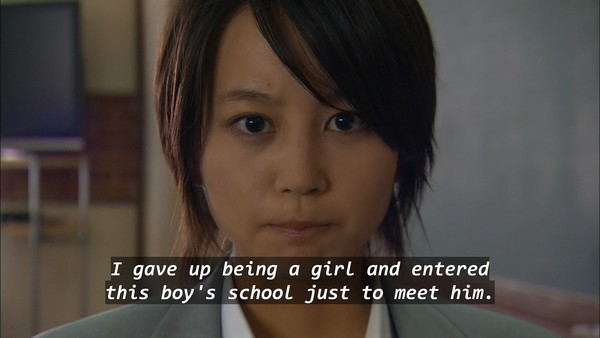
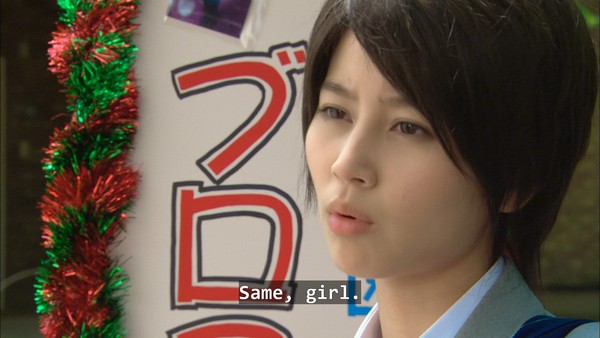
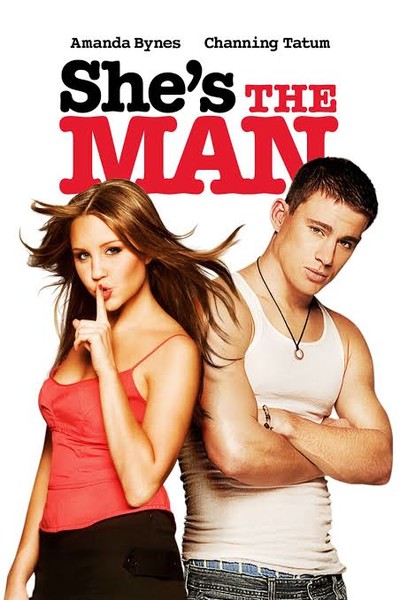
I can understand why. "Girl crossdresses to attend the same school as her crush" is a premise that blossoms in your imagination without any other input needed. That's also a premise easy enough to translate into live action. You need a leading lady who looks just boyish enough, and you're golden.
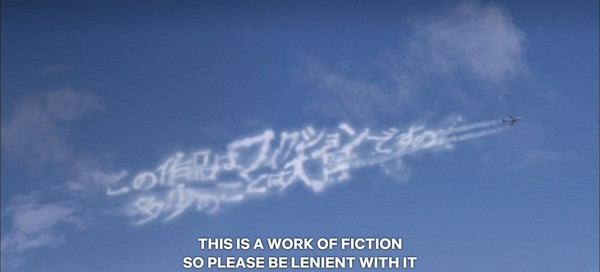
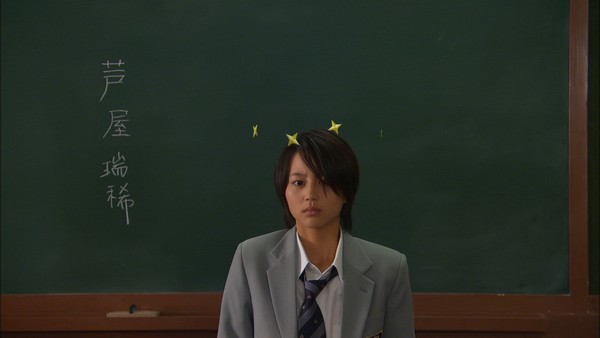
The 2007 Japanese version definitely leans into the goofiness, too. Like, I think about this show being contemporaneous with iCarly, and probably having a similar audience demographic. Plus the timely references.
I actually just checked, and James in the preview guide actually beat me to this comparison, but great minds and all that!
This drama series definitely dials up the goofiness as a way to try to capture the more frenetic nature of anime and manga, which just ended up making the whole thing feel a bit uncanny for me. Maybe I just hadn't clicked into the tropes and genre conventions that these kinds of titles operate in yet, but I found the tone of the drama (and to a lesser extent the anime) to be pretty indecipherable.
Though I can't say it didn't help me manage expectations right out of the gate!
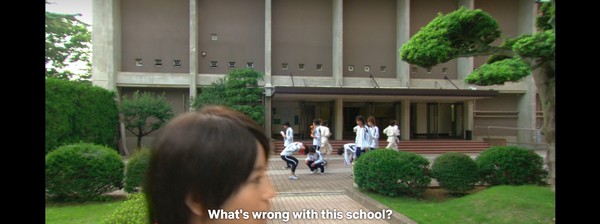
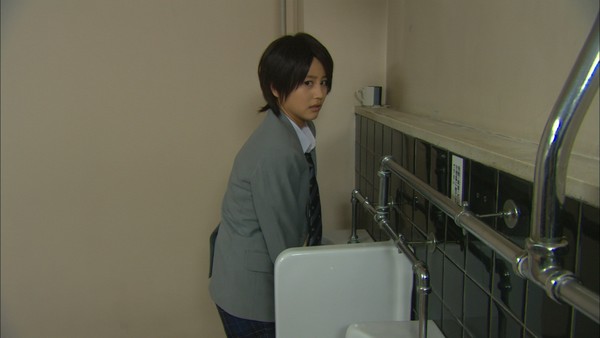
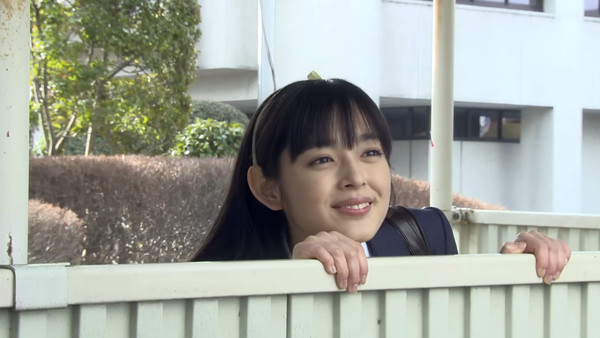
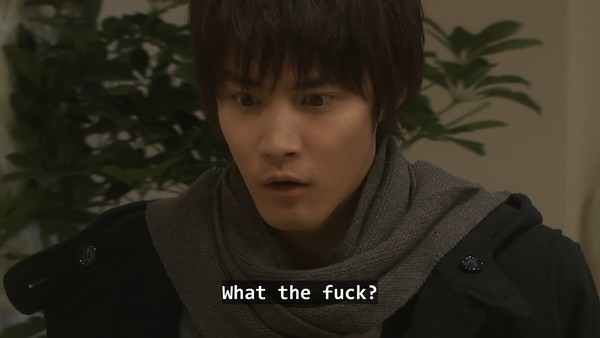
I mean, the live-action production does feel kinda perfunctory. Or maybe a better word is awkward. This is a 20-year-old show now, so it can't help but look dated, and it leans into avenues of humor that society has gotten a little more sensitive towards in the interim decades, e.g., Mizuki getting felt up, Mizuki having A Moment at the urinal, etc.
That is, perhaps, a nice thing about the anime taking so long to come around. So far, this adaptation of Hana-Kimi seems to be making minor but good editorial decisions (or so I've heard from manga readers).
We, as a polite society, have evolved a lot regarding gender politics and humor since the manga premiered in 1996. Even with revisions, there's an ethos to every version of Hana-Kimi that makes it feel more like a cultural artifact than a piece of contemporary media, which is interesting even as it means I'm not inclined to fill my leisure time with it.
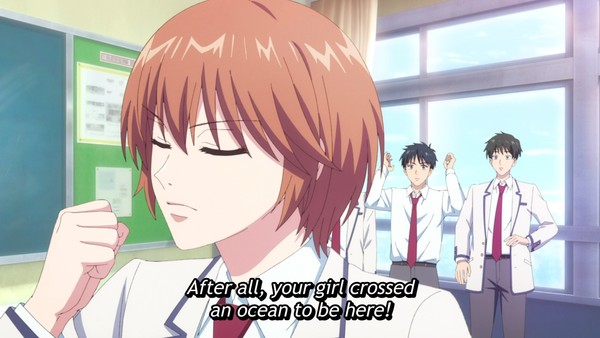
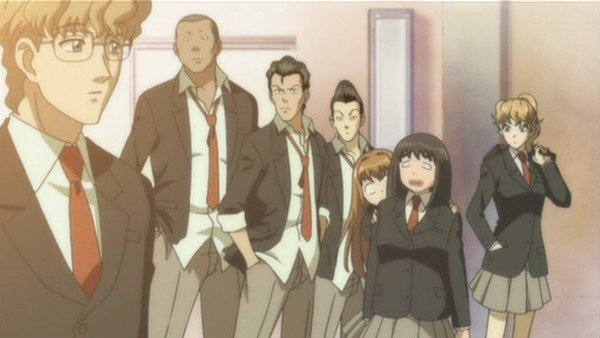
Though I've gotta say, watching the anime made me feel like I had fujoshi vision in a way that kinda grew on me! I don't know if it was supposed to be funny that every boy at this boarding school gives off bi-guy vibes, but it did loop around to feeling ridiculous in a fun way by the time I wrapped on the second episode.
Certain aspects of it might be dated, but I think that playful ethos regarding gender/sexuality shenanigans is transgressive in a positive way. Personally, I want to see a modern, probably even more problematic version where Mizuki specifically poses as a trans man to attend the academy, but society might not be ready for that one yet.
Regardless, there are other existing shojo to discuss before I start waxing poetic about my twisted takes on them. For instance, Boys Over Flowers! Let's take a moment to luxuriate again in how good that anime looks.
I, for one, am more than ready to experience a story where a girl gets on a low dose of T in pursuit of her crush, and would support that production with my viewership and wallet!
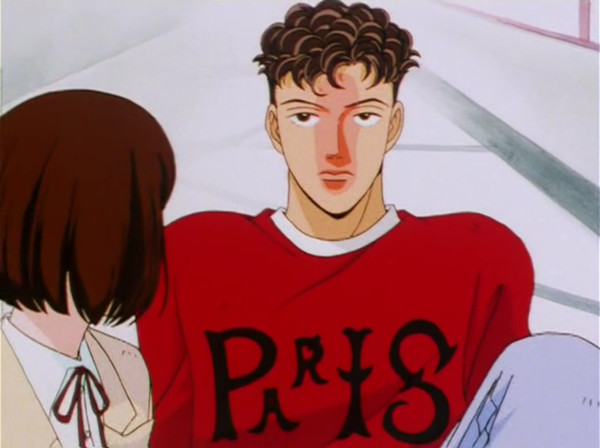
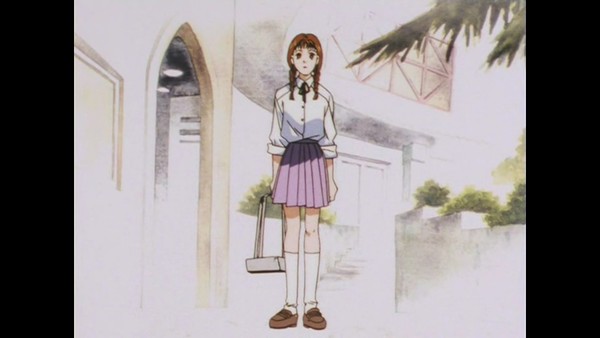
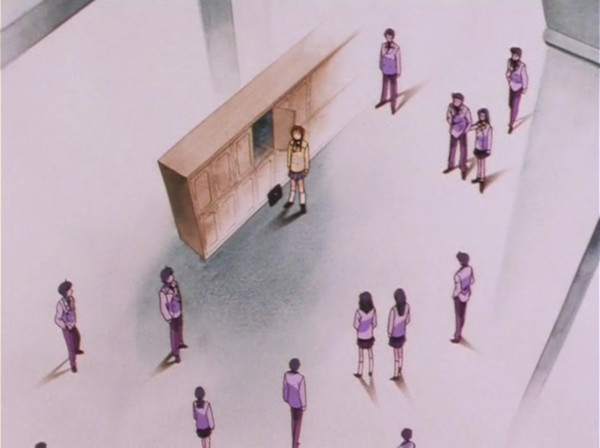
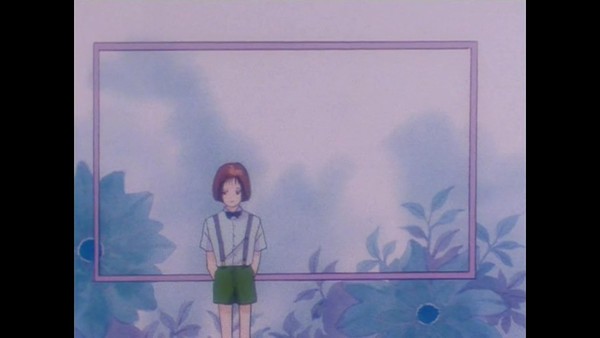
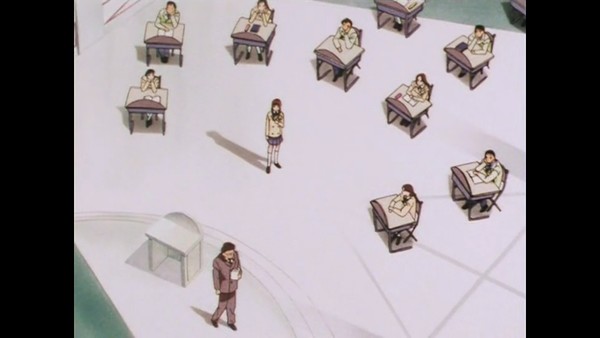
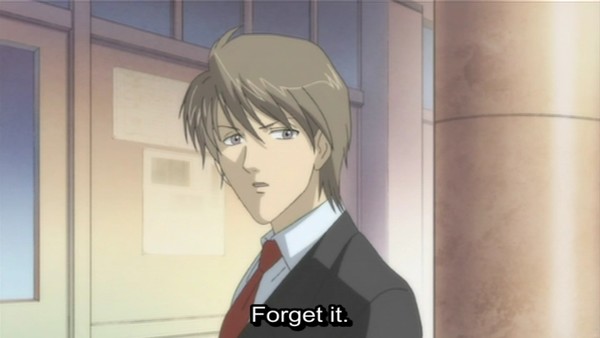
And yes, MY GOD is Boys Over Flowers putting even modern and presumably higher budget anime to shame with its visual direction! The color! The hype-legible character designs!! The negative space!!! This anime so casually and perfectly evokes the sense of isolation inherent in being a teenager that I can't help but love it immediately!
Agreed! I don't want to repeat myself too much, but it's a great example of the kind of raw aesthetic power a thoughtfully composed animated adaptation can bring. Yamauchi's take on Boys Over Flowers is dreamy, classy, and imaginative.
Like, my favorite manga adaptations are those with their own creative vision—a vision that doesn't shackle itself entirely to its source. Even if that source is my favorite manga in the whole world, I don't want it to get an anime that doesn't take any risks.
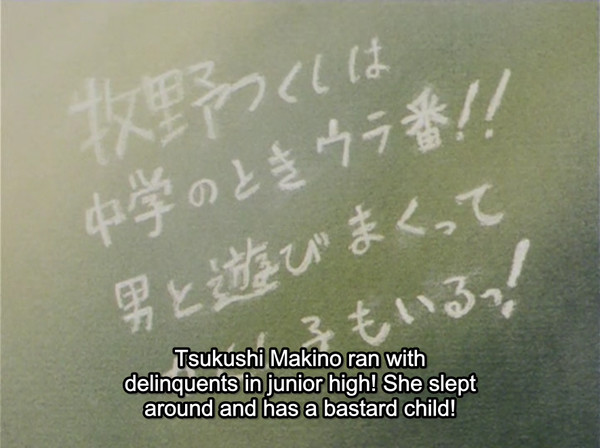
I couldn't agree more, and I think I'm gonna try to binge through the rest of Boys Over Flowers before my seasonal obligations pick up! Beyond the visuals, it's speaking to ageless elements of being a young person super well, like how no amount of wealth and influence will stop a teenage boy from turning into gobsmacked dumbass the second he thinks a girl likes him.
While I can't personally relate to Tsukushi's experience of girl bossing her way into having multiple rich boys maybe pining over her, I absolutely adore this fun and informed exploration of this formative part of the human experience.
It's worth noting, too, that by virtue of being a cartoon, an anime adaptation lends itself to being more, well, cartoonish. This, obviously, is a pretty close fit for the kind of expressiveness that a manga's format affords.
And in general, there is an unavoidable degree of realism that you run into when you're making a live-action production. You can't make a live-action Boys Over Flowers look like the anime does. That's probably why I felt this South Korean version fell flat compared to the anime. The moods are very different.
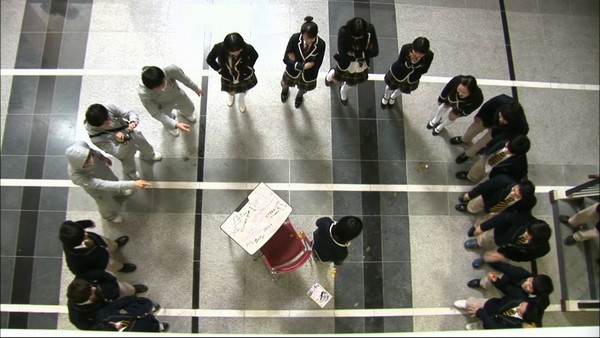
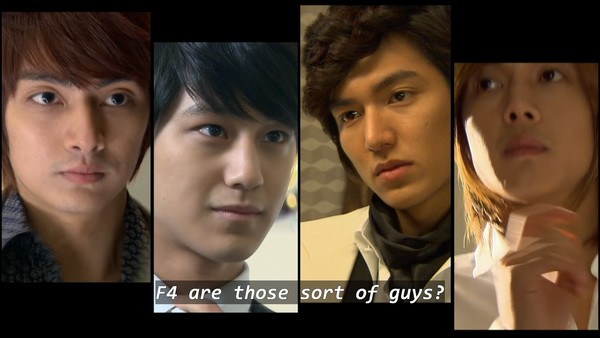
While there are a crapload of Boys Over Flowers live-action adaptations (some of which appear to be hella illegal), I also watched the Boys Over Flowers K Drama from 2009. I went with this series because, in college, a bunch of girls I talked to who said they weren't into anime would follow up that statement by saying they were big into the Boys Over Flowers K Drama; and I am now beefing with all of those women a decade after the fact!
While I can appreciate this 2009 production taking some creative liberties, and changing up some elements to explicitly reflect Korean sociopolitical and cultural circumstances, I would have watched this anime SO much sooner if I had known this K Drama wasn't the best reflection of the series!
Alas, I am sorry those college girls steered you wrong. But it's hard to blame them for not choosing the "correct" version when there are so many. Literally, the Wikipedia page uses a table to get all that information across in the most efficient manner possible. People all around the globe love these jerks.
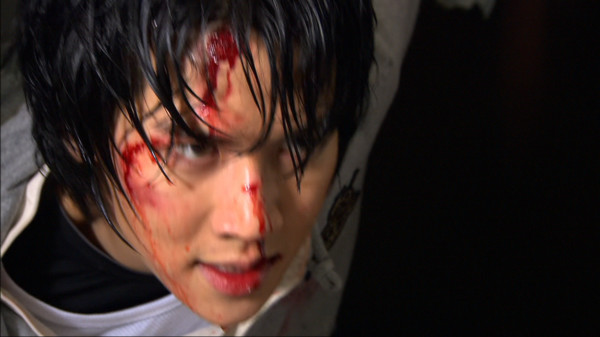
You're right, I should give credit where it's due and not let my adoration for the anime cloud my opinion of the K Drama too much. This show, opening with a bloodied student contemplating suicide, was the absolute LAST thing I was expecting after getting through the first few episodes of the anime. Even if there are a lot of strikeouts for me personally, this show is swinging for the fences, and I respect that.
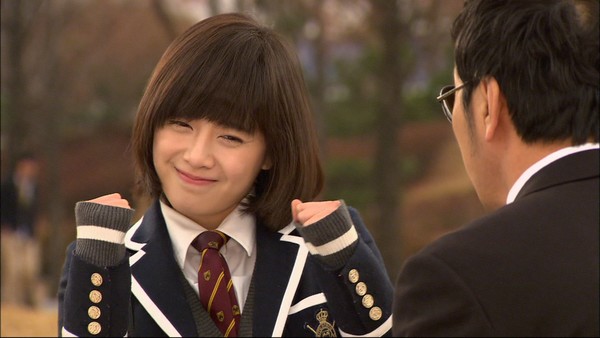
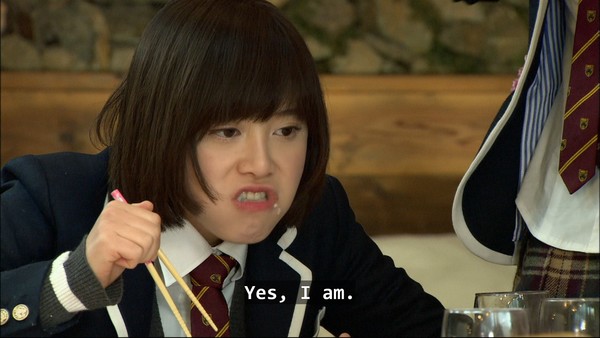
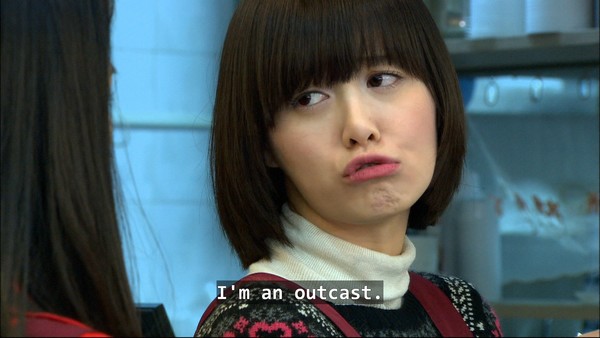
Koo Hye-sun is also quite good as Jan-di, the adaptation's equivalent of Makino. I think she gets the amount of feistiness right, and she's not afraid of mugging for the camera.
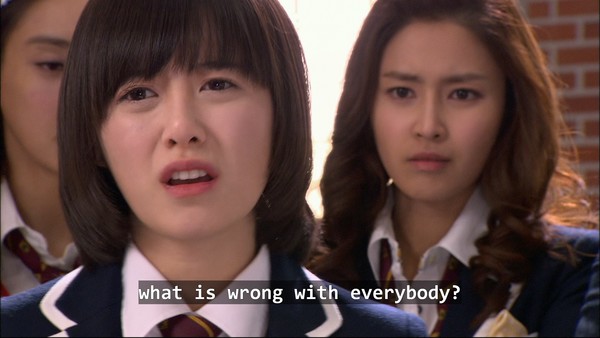
Oh, absolutely! The exaggerated acting choices in this production feel a lot more palatable here than in the Hana-Kimi drama, largely because they're rooted in driving home the emotional energy of being a teenager rather than reductive ideas around gender.
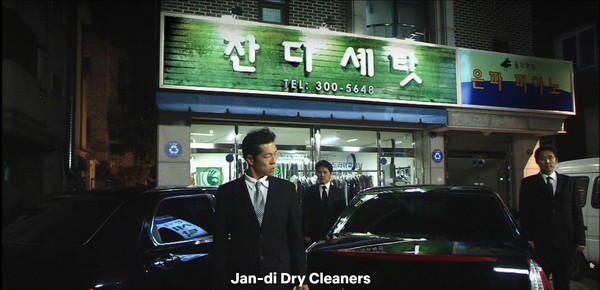
And, I mean, come on! Who isn't going to crack a smile at this visual of hired goons showing up at Jan-di's home/place of work to force her to go to private school? This production is definitely a "bad movie night" kind of fun for me, but I can still dig it.
More importantly, it was a gigantic phenomenon in South Korea at the time, and its influence trickled down into many ensuing K-dramas. It's a perfect example of why you can't just look at anime when you're trying to think about the cultural footprint of shojo manga.
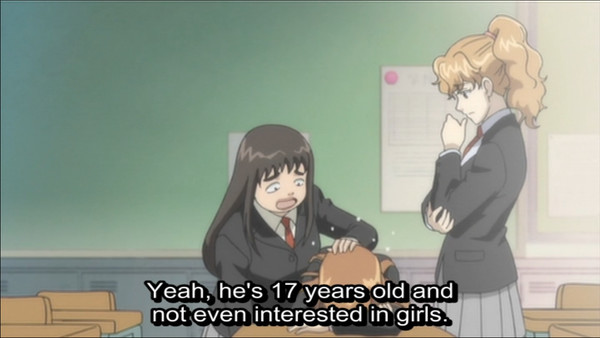
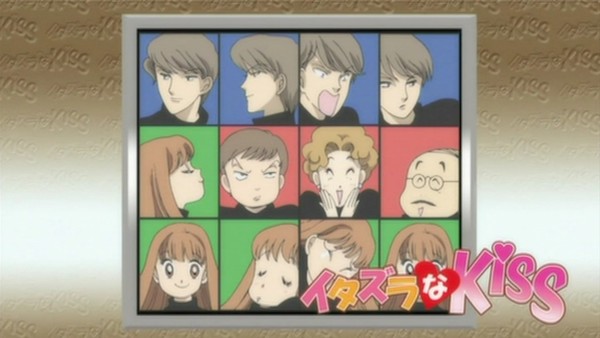
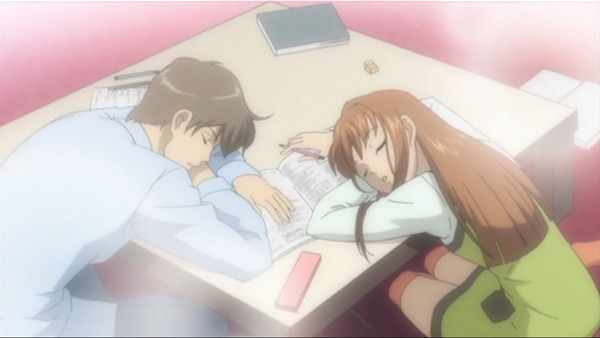
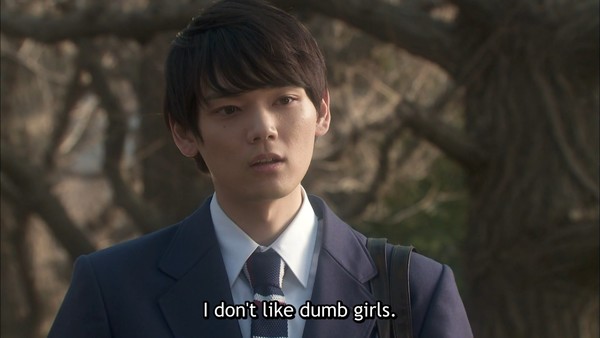
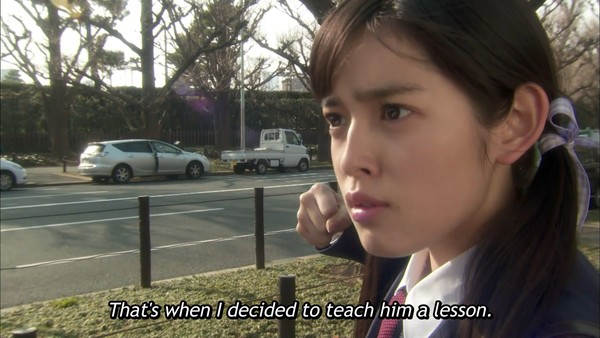
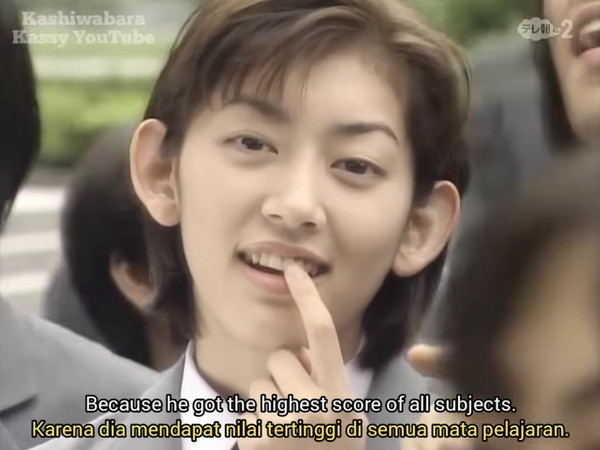
Speaking of which, we have another anime/live-action shojo pair, this time for ItaKiss, a story that bravely asks the question, "Can a stupid girl and a smart guy get together?"
As someone who does not feel romance in a way that manifests in crushes or longing, this is another series that I couldn't relate to, but the character writing was good enough that I was chomping on popcorn before too long!
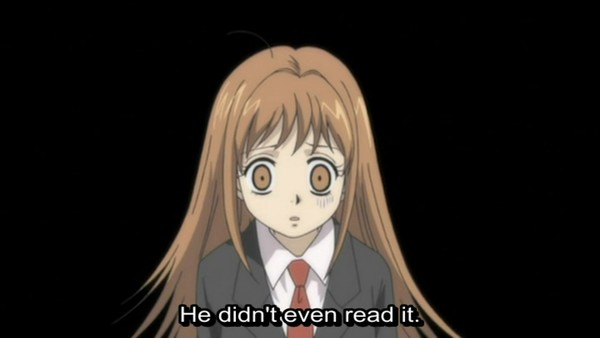
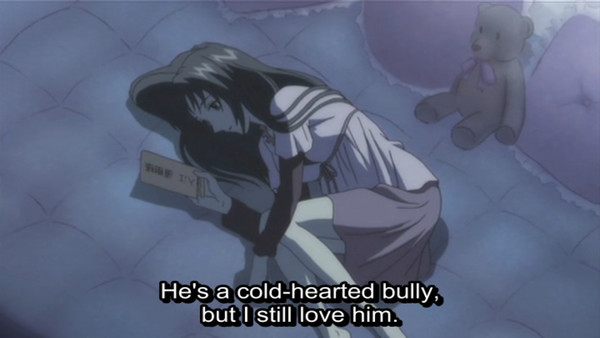
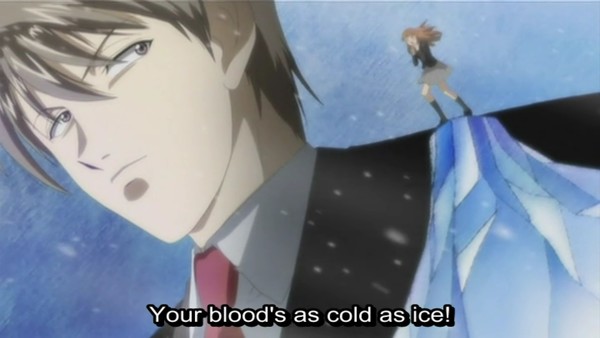
Kotoko should not be pining this hard for a man who has been nothing but a jerk to her, but I can also see how this kind of cold indifference would inspire a borderline obsession in this young woman.
That is a well-worn trope in shojo romances (in fact, we see versions of it in both Boys Over Flowers and Hana-Kimi as well). Conflict makes stories interesting, and the quickest way to conflict is to invent two people and butt their heads together. Rinse and repeat until they start kissing. Tale as old as time.
As for the anime, I really appreciated its 2008 feel. We are precisely far enough removed from that time period for it to become culturally nostalgic, and if you haven't accepted that already, then I suggest you get a head start and rewatch Lucky Star while you can. But more to the point, I think this looks great. Expressive and cartoony without going overboard.
Absolutely! The ItaKiss anime is cute in a way that it never feels overly pandering. There's a quiet confidence in every level of this production that I really appreciate. I can't think of a part of it that's absolutely stellar, like Boys Over Flowers' music for instance, but there's a holistic confidence that still makes it a really defined experience.
And back in meatspace, ItaKiss has several live-action takes as well. Not enough to necessitate a table on Wikipedia, but still worth mentioning. Crunchyroll actually licensed the 2013 drama, and for whatever reason, they still have it streaming, going on 13 years later. I wonder if everyone just forgot it was there. I guess if it gets taken down in the next week or so, we'll know the answer.
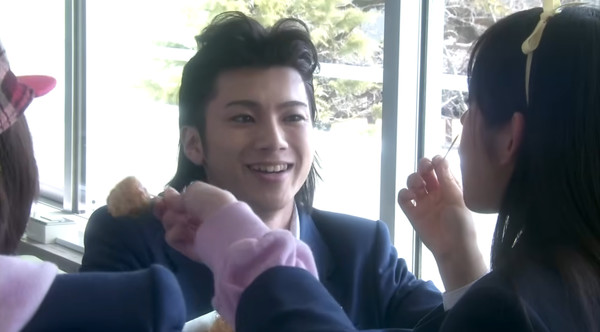
Okay, for this one, I actually watched both the 1996 drama adaptation (because how could I not watch a manga adaptation that old???) AND the 2013 version. Maybe it's because the 1996 series was super out of its depth in how to bridge mediums, but I actually think I like the 2013 Mischievous Kiss: Love in Tokyo the most out of any series that I watched for this column!
Maybe it was just the juxtaposition between the two, but I think the 2013 series manages to channel the tone of the manga/anime very well without becoming so exaggerated as to feel a bit alienating. It's still over-the-top, but in a way that feels campy instead of distracting.
Agreed, I think it's pretty smart, despite the academic acumen of its heroine. Another thing we should talk about is that an episode of a drama is usually at least twice as long as an episode of an anime. Very different writing techniques are going to go into one versus the other. Most obviously, an hour runtime provides more breathing room, so I noticed most of these adaptations adding side plots or extending scenes compared to their more efficient anime equivalents.
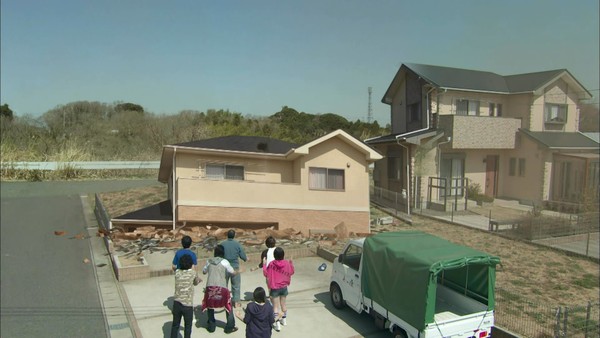
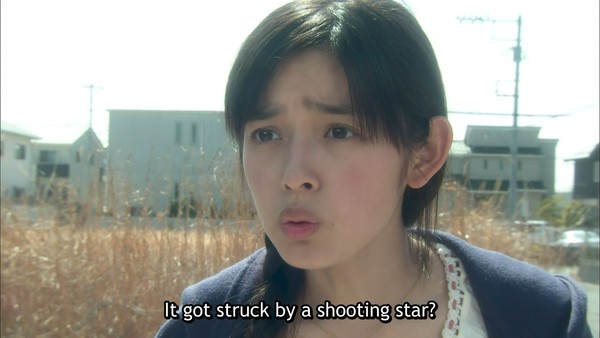
In Mischievous Kiss, one change I really liked was that Kotoko's house gets destroyed by a tiny meteor instead of an earthquake. It ties back to her earlier monologue about the meteor shower and other cultural signifiers of destiny, and it twists those around funnily, so the joke isn't just that her dad built a cruddy house.
One part of this comparative analysis that I loved is seeing how the character Kin, Kotoko's way too romantically forward and kind of "go nowhere" energy dude, is depicted differently in each series!
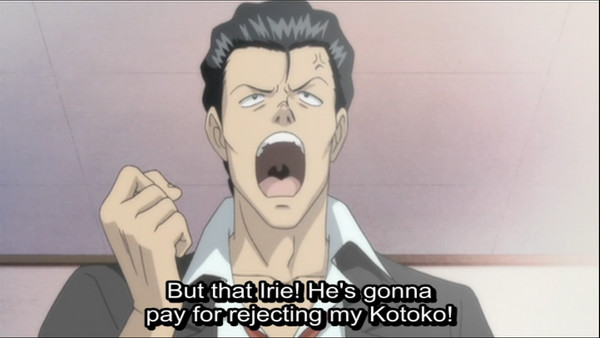
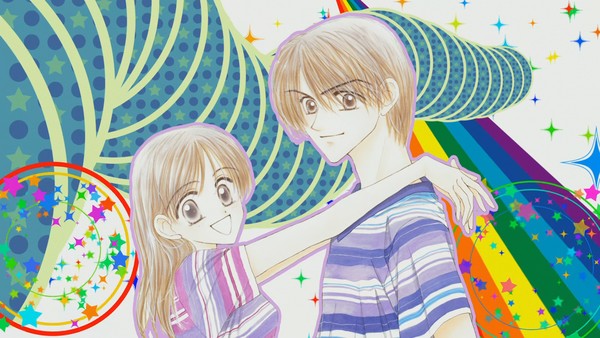
In the 2008 anime based on a 1990 manga, this teenager looks like a 30-year-old man who's been smoking for at least a decade. In the 1996 series, he's costumed like a homely guy trying way too hard to be cool, and in the 2013 series, he has a douchebag mullet. I really dig that this kind of affectionate narcissist character archetype has existed for so long, and I dig the ways those personality traits are depicted in different eras of culture.
That is, arguably, a creative advantage that live-action has over anime. Because an anime adaptation will usually hew closely to the manga character designs, since it's feasible to do so. But you can't 1:1 translate those bug-eyed shojo characters to actual human beings, so you take creative liberties with costuming and makeup. And I am all for that when it leads to a drip as unimpeachable as this.
Oh, 1000%! In fact, I'd go even further and say that the costuming in the 2013 series features some of the most legible fits folks will ever see on screen! Sure, these designs are a little heavy-handed, but they're also a great way to get the audience to start thinking about how a character's aesthetic can convey information about them.
At a glance, it's clear that Kotoko's dad is a working man and maybe a bit traditional, Irie's father is a bit dopey and childish, and Irie's mother comes across as eccentric and energetic with all of her bright colors. It's pretty thoughtful costuming! Or, at least more thoughtful than what I was expecting from a non-Hollywood production with a presumably more limited budget.
It's proof that meatspace isn't necessarily more limiting than pen and paper. There are interesting artistic decisions to be made everywhere.
Now, that's three sets of shojo with both anime and live-action versions, and I think we did a pretty good job elucidating the interesting contrasts that come up when you compare them. But we aren't stopping there. We also looked at two series that only have drama interpretations. First up is Good Morning Call, which technically got a single 20-minute OVA, but for our purposes, that doesn't count.
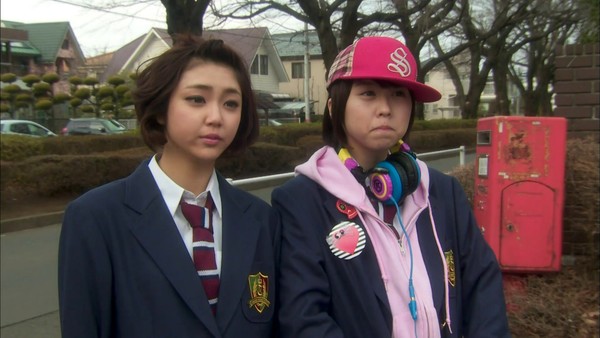
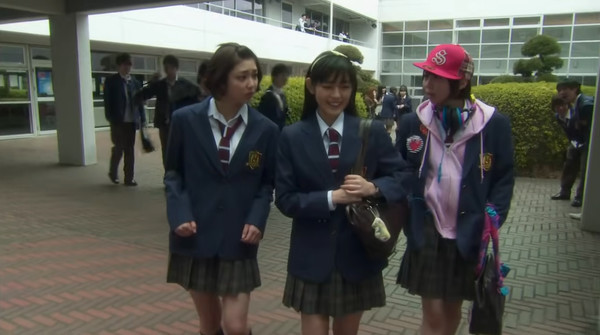
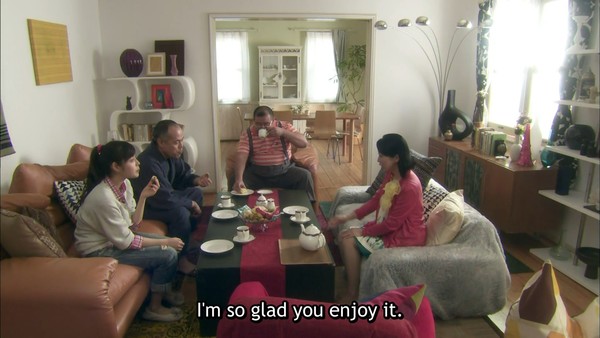
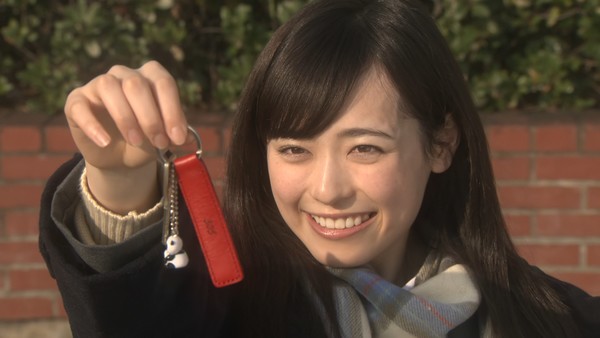
Granted, I don't have an anime adaptation to compare it to and only had a cursory glance at the manga, but this story seems pretty grounded and maybe the best suited to the live-action treatment out of anything we've watched so far.
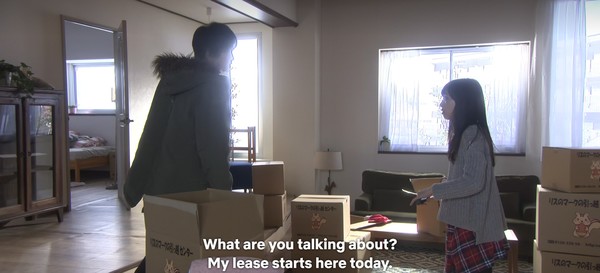
And that is basically what I was going to say, too! The inciting incident here isn't an act of God, nor a superpowerful student legion, nor a gender oopsie. It's a real estate scam. That's the real thing, there is.
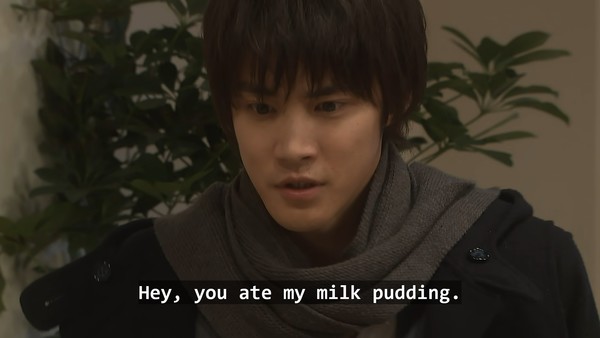
There's still some requisite contrivance, but once you accept the cohabitating premise, the drama unfolds mostly naturally. Anybody who has ever had a roommate understands this.
It only lost me when Uehara had to run out to rescue Nao from a guy who had been attacking random women in the area. That felt further removed from the passive-aggressive roomie stuff I had been enjoying.
Yeah, that "near sexual assault to progress the plot" beat definitely felt like another consequence of many of these now formative shojo romances coming out in the 90s and early oughts. I'm not saying the Good Morning Call drama is "good," but it does seem competent in all areas of production and like a serviceable introduction to this genre of storytelling. I don't think this one is for me, but I could totally see it getting its hooks into young people beginning to navigate relationships and real-world responsibilities.
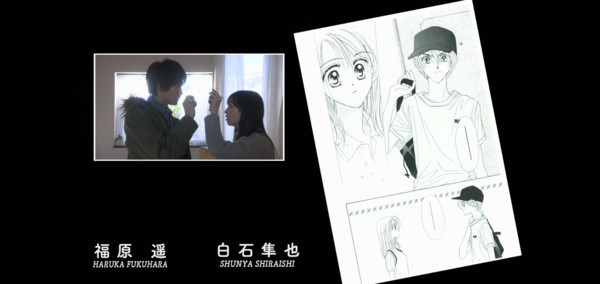
Also, I really like that the end credits connect specific scenes to the manga pages/panels that they draw inspiration from. That's a really fun touch that I wish were more commonplace!
Seeing the manga art in the OP was also a nice touch.
That being said, if I had to guess, it might be that the down-to-earth premise didn't stand out enough to garner an anime adaptation. Good Morning Call, at first blush, looks tame compared to the shenanigans at hand in Hana-Kimi. That's not a bad thing, but it can be the difference between puncturing the cultural consciousness or not.
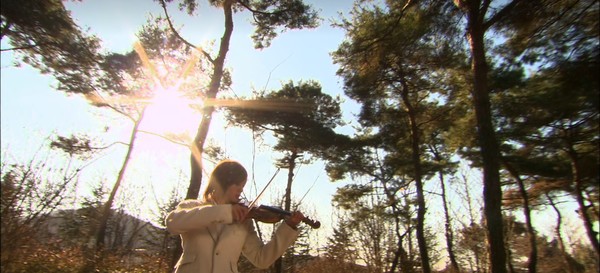
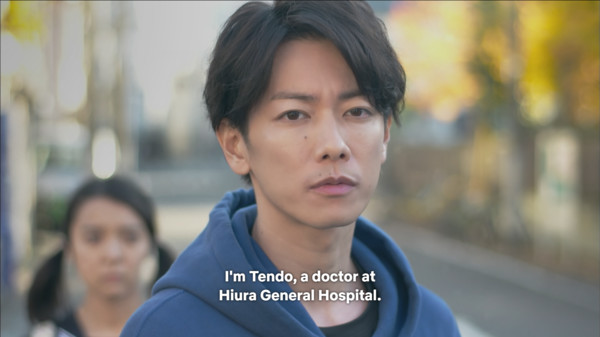
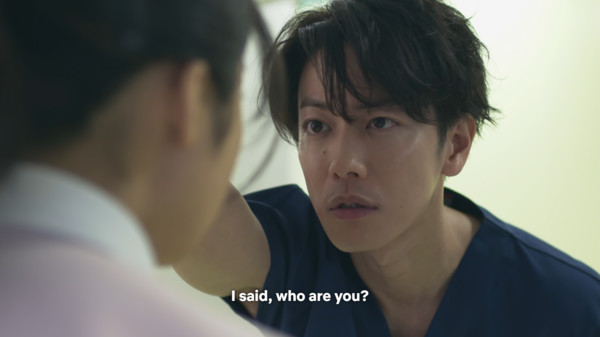
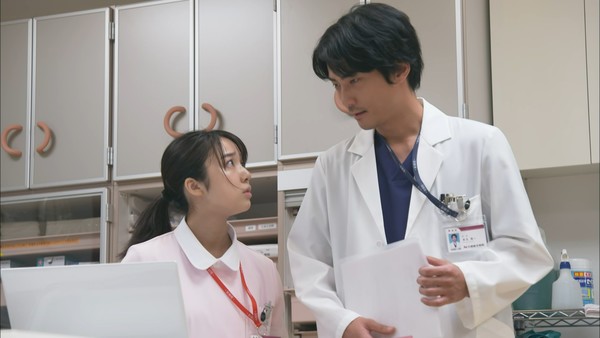
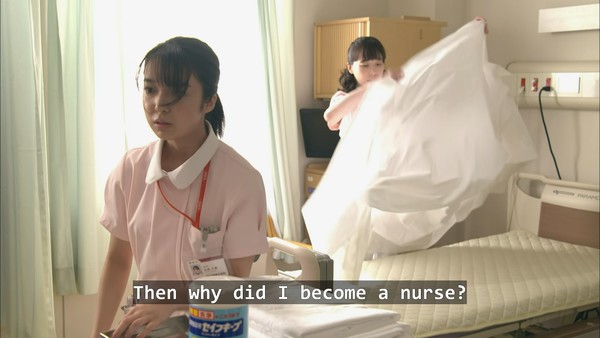
You make a strong point and, in a similar vein, I think the medium of live-action television might actually be the best format for our final series, An Incurable Case of Love. Here, our protagonist Nanase becomes a nurse to confess to the doctor she developed a crush on five years ago, only to find out that he's nothing like the Prince Charming she thought he was.
Between the opening episode being equal parts subversive romance and a medical field workplace soft-drama, just about every part of this story's DNA works better in the more immediate and personally mappable meatspace than in animation.
Just so we cover our bases, An Incurable Case of Love is technically a josei romance, not a shojo one. In practice, though, this is beat-for-beat a shojo romance, minus the high school setting. It's actually kind of clever how, as a nurse-in-training, Sakura experiences cliques, drama, pop quizzes, and other familiar tropes. It's all high school. And to be fair, my day job experience has done nothing but confirm this to be true in the real world as well.
And certainly, the medical dressing slots it nicely alongside the long line of hospital dramas and soap operas that people can't get enough of. They are a live-action staple. I mean, so many people have told me to watch The Pitt. So many.
Did you see they're rebooting Scrubs!?? We're gonna get TV shows taking place in hospitals until the heat death of the universe!
And thank you for the genre clarification! This being a more recent work (the manga premiered in 2016), intended for an older audience, would explain why it seems to focus as much on pushing back against stereotypes about love as it does on Sakura growing into her career. It's trying to be a more holistic romance, and I can appreciate that.
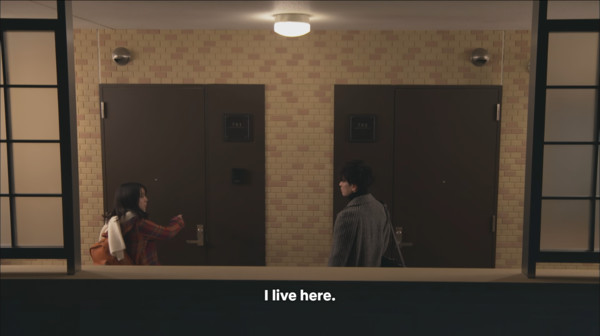
Though it's still having fun with genre conventions, like the principal characters practically and inexplicably living on top of each other!
Sometimes you gotta play the hits.
Sakura has some funny moments of realization after Tendo crushes her schoolgirl fantasy, but she also earns her eureka moment at the end and "solves" the case. While still melodramatic, the emotional resolution has a few more contours than the strictly shojo series we've touched upon in this column. So it's a nice morsel of contrast.
Again, no reason why this couldn't be an anime, but josei adaptations are rare enough as it is, so I'm glad 2026 is currently spending its josei voucher on Journal with Witch (which also got a movie, for the record).
I know Winter 2026 anime discourse is already being dominated by high-quality sequel chatter, but shojo and josei titles are quietly coming up this quarter, and I'm glad I now have a greater appreciation of the genre before the season is too long in the tooth! Even if my relationship with intimacy and romance is vastly different from just about anything featured in these works, I'm glad I understand what all the fuss is about now!
Shojo romance is full of genre-defining—sometimes generation-defining—works, but you wouldn't necessarily know that if you only knew anime. That's why I think it's always good to zoom out and reexamine your priors. And it definitely helps when you have a shojo guardian angel for an editor to guide your way. I highly recommend finding one of those if you're curious about this space.
Even if it doesn't garner as much attention as it ought to, there's more good shojo-focused writing and criticism to get folks started than ever in 2026! Please go ahead and take the plunge; I can say now that the time and energy you put into experiencing this slice of the anime pie is more than worth the time and effort!
In a word, Hell Mode has thus far been tedious.― I get what Hell Mode is going for by having its protagonist—a 35-year-old gamer named Kenichi, who's renamed Allen upon his waking up in this new world—reincarnated into this generic RPG world as a baby. Born into this new world, our protagonist doesn't have to grapple as hard, if at all, with the logistical difficulties that come with being overnight...
Film to tell story set after anime's 2nd season― Kadokawa announced on Saturday the anime of Tsurumaikada's Olympic ice-skating manga Medalist will get a film that will debut in 2027. The film will tell a story set after the end of the television anime's second season. The news was first announced at a special screening on Saturday of the first two episodes of the second season.The staff also reveal...
Whoever Steals This Book is, unfortunately, one of those films that is 100% style over substance.― Whoever Steals This Book is a film filled to the brim with imagination. Mifuyu's adventure takes her into wonderfully realized storybook worlds. There's a Japanese fairy tale filled with surreal visuals, a noir detective story portrayed with a black and white color palette and film grain over the top, ...
LEGO's Pokémon sets are super-effective against your wallet! Jean-Karlo discusses the bank-breaking sets and one of the most complex video game deep cuts to sell McNuggets.― Welcome back, folks! Nintendo offered a "Year in Review" feature this week that covered my entire history with the Switch family of consoles. With all the games I've bought, there were surprisingly few games on that list—mostly ...
Manga about boy who trains, lives with famous sword master launched in March 2024― Kadokawa's listing of the second volume of author Kennoji and artist R_ringo's Dōkyo Shiteiru Kensei no Onna Shishō ga Kawaisugite Mainichi Shiawase Desu (The Female Sword Master I Live With is So Cute I'm Happy Every Day) manga states on the cover of the volume the manga will get a television anime adaptation. The se...
Taito Ban stars in series about boy who investigates supernatural phenomena― Hakuhodo DY Music & Pictures announced on Friday that Hiroshi Shiibashi's Iwamoto-senpai no Suisen (Recommendation from Mr. Iwamoto) manga is getting a television anime adaptation. Shiibashi drew a celebratory image to commemorate the announcement. Toshifumi Kawase (Tenjho Tenge, Shion no Oh, Yakuza Fiancé: Raise wa Tanin g...
This is a manga in which a thirteen-year-old bulks up by eating and training so effing hard he hits galaxy brain mode and bulks up in ways that are impossible.― Having defeated Kureha Shinogi, despite the man's intimate knowledge of the human body gained at the cost of dozens of other's lives, Baki almost immediately seeks his next fight. He's spotted fighting 100 delinquents at once, knocking out o...
With the return of the Ronin Warriors, Coop and Chris cook up a new Toonami block.― With the return of the Ronin Warriors, Coop and Chris cook up a new Toonami block. Disclaimer: The views and opinions expressed by the participants in this chatlog are not the views of Anime News Network. Crunchyroll streams Samurai Troopers, Yoroi Shin Den Samurai Troopers, Gundam Wing: Endless Waltz, The Prince of...
Sunrise, Production I.G's Sōkō Kihei Votoms Haiiro no Hexe marks Sunrise's 50th anniversary― Bandai Namco Filmworks announced on Thursday that Sunrise and Production I.G are collaborating to produce a new anime in the Armored Trooper Votoms franchise titled Sōkō Kihei Votoms Haiiro no Hexe (Armored Trooper Votoms: Die Garue Hexe or literally, Armored Trooper Votoms: The Grey Witch), with Mamoru Oshi...
Your favorite elf is back for Frieren: Beyond Journey's End Season 2!― Welcome to Anime News Network's Winter 2026 Anime Preview Guide! Here's how it goes: our team of critics writes up their impressions instantly, to be posted here as they go along. Each critic will cover as many shows as they can handle, giving you alternate takes on almost every show. The guide is ongoing, organized by series, a...
Kazuki is a very boring, nothing character that is strictly driven by his survival and he needs to spend most of the story riding a very thin line.― On the one end, I do appreciate a series that really likes to just cut out all the fat. When Death Flags starts, we don't get any set-up or preamble about our protagonist's past life or how he found himself in the circumstances that he does. He just wak...
The studio that fostered talents like Hayao Miyazaki and Isao Takahata and brought to life Anne of Green Gables, Future Boy Conan, and more opened its doors to offer ANN a tour through where the magic is made.― About an hour's train ride outside of Tokyo, nestled in a quiet neighborhood in Tama City lays one of the anime industry's most storied studios: Nippon Animation. This studio has brought joy...


 @RiderStrike
 @BWProwl
 @LucasDeRuyter
 @vestenet