

The Winter 2026 Manga Guide
Immortality and Punishment
What's It About?
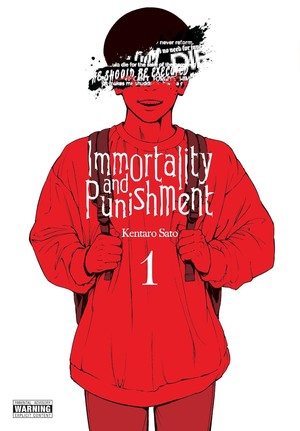
A young man burdened with a heavy secret finds himself trapped, broke and alone, in a love hotel. As he falls deeper into despair, an echo of his past haunts him―“Live on so you can atone…” Meanwhile, chaos erupts on the streets as grotesque figures begin to appear all around the city.
Immortality and Punishment has a story and art by Kentarō Satō. English translation is done by Sean McCann, and lettering by Brandon Bovia. Published by Yen Press (January 20, 2026). Rated M.
Content warning: violence
Is It Worth Reading?
Rebecca Silverman
Rating:
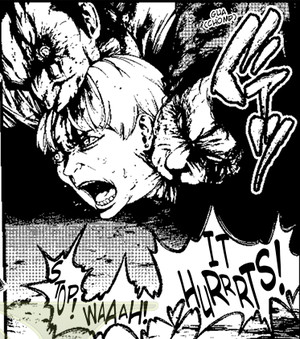
The zombie apocalypse has always been grim when depicted in manga, but I still think this may be one of the grosser iterations I've encountered. Kentarō Satō's Immortality and Punishment is a gorefest of the highest order, which means that nearly every page is awash in black ink lightened only by the twisted limbs of the infected. Bulging eyes, gnashing teeth, spraying blood…it's all here in what we should probably be glad is black and white.
That and the fact that the story is set in a love hotel make it interesting that this isn't nearly as exploitative as you might expect. While there are barely-clothed bodies, they aren't drawn for titillation purposes, and there's no sex to speak of. Instead the book seems to want readers to question what's drawing them to this story, especially because of who the protagonist is: a young man who can only get an erection when he sees violence and blood. Seven years prior to the story's start, Fumito committed a series of murders as a middle schooler that were highly sexualized, and while he's tried to combat his ED ever since, nothing has worked…until the zombies start chomping, that is.
To be clear, we're not meant to sympathize with him. He's not presented as a good person at all, although he does try to help a young woman trapped with a zombie in the next hotel room. He also knows that there's something wrong with him, and he does want to atone for that. His preference is to do that by dying, but someone has told him that he can't, and so he stays alive to atone with his suffering.
I'm not sure if the purpose of this story is to force reformation upon him, to show that he absolutely cannot be redeemed, or to say something about why people are drawn to gruesome stories. Possibly all three, possibly none. The actions of the other three living humans in the love hotel are contrasted with Fumito's – the scared young woman next door is frozen, the mother is frantically trying to contact her children, and her fellow cleaner is apathetic about the whole thing – and it may be that this volume is strictly setup for what's to come. If you have a high tolerance for grossness, this could be interesting, but it feels a bit too much like it's trying to be deep while reveling in gore for me.
discuss this in the forum (14 posts) |

this article has been modified since it was originally posted; see change history
back to The Winter 2026 Manga Guide
Seasonal homepage / archives