Sylvia and Lucas discuss the building blocks of shounen battle series.
Disclaimer:The views and opinions expressed by the participants in this chatlog are not the views of Anime News Network. Spoiler Warning for discussion of the series ahead.
Sylvia
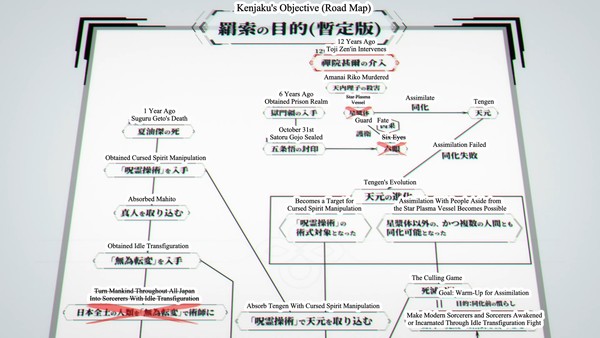
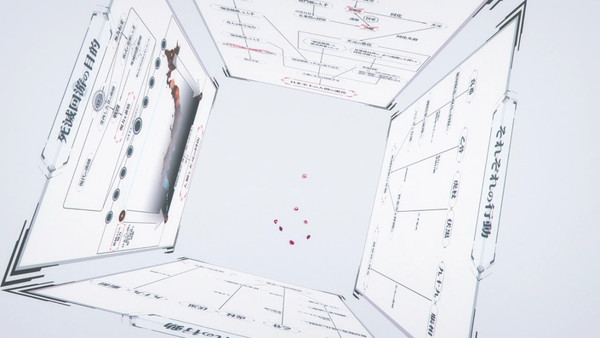
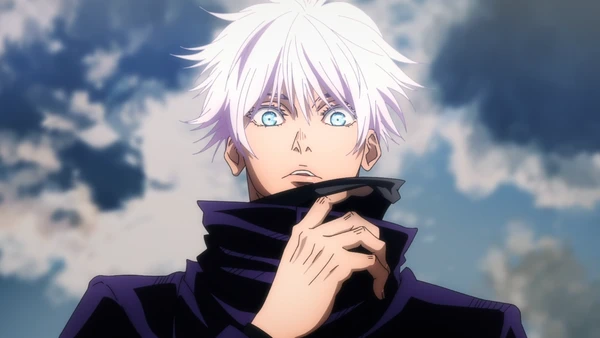
Lucas, we're here today to answer an important question: Is it good or bad when an anime makes me feel like I'm in a packed conference room at my day job listening to our CEO drone on about our corporate roadmap for 2026? And is it better or worse when the offending anime is the super shonen star Jujutsu Kaisen?
Lucas
Sylvia, I don't know what you do at your day job, but mine requires me to spend a lot of time looking at presentation decks filled with nerd stuff, which means season 3 episode 3 of Jujutsu Kaisen was virtually indistinguishable from what I experience every weekday at my 9-5.
Don't get me wrong, I love me some economical storytelling, but this PowerPoint definitely came across as more self-aggrandizing than meaningful, or emotionally setting up any of the story beats set to hit this season.
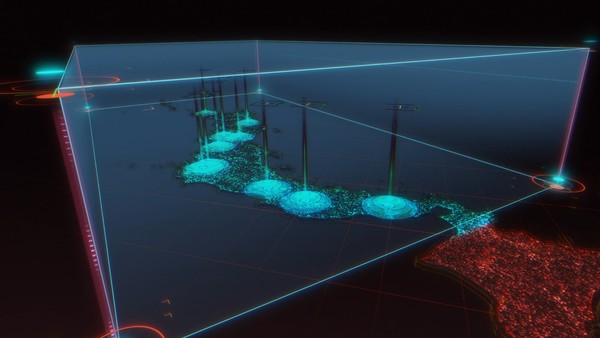
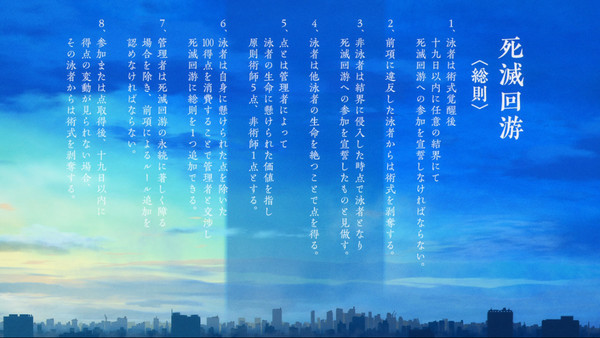
It seems to me a good encapsulation of the major complaints I've heard (and had) about JJK, namely the inconsistent plotting and writing. In theory, Tengen's lengthy explanation serves as a portent of the upcoming Culling Game. It is big. It is complicated. Therefore, it is important. In practice, this turns into a bizarre creative choice that grinds the narrative to a halt and raises a lot of questions. In particular: why?
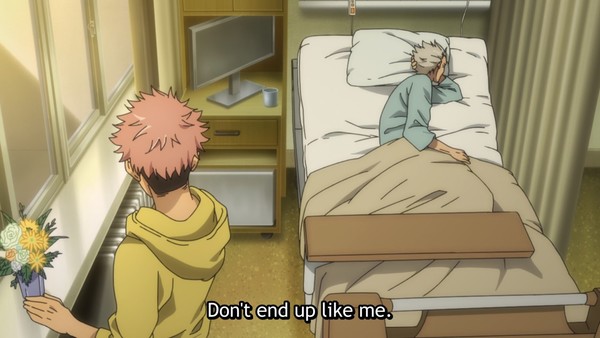
And also: how did we get here? Let us not forget that this all began with a simple story about a boy named Yuji and his sick grandpa. How do we get from A to B?
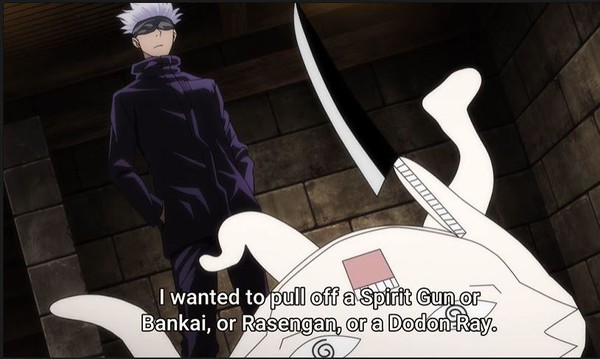
I believe that JJK is an intentional distillation of shonen storytelling conventions and tropes. More overt than One Piece being a riff on Dragon Ball or Bleach being an iteration on Yu Yu Hakusho, Gege Akutami's Jujutsu Kaisen is functionally a combination and high level execution of what made all of these other works so popular.
Which is to say that our plucky protagonist, Yuji Itadori, has gone from being a lovable best boy to having to compete in convoluted games with deadly stakes because that's what Hunter X Hunter turned into after like a dozen chapters!
And to your point, it's interesting, then, to consider what the defining features of so-called "battle shonen" are, and how, precisely, JJK fits into that legacy. These are the current vanguards of anime/manga worldwide, and they have been for a while. Everyone knows who Goku is. Last year's Demon Slayer movie made eleventy billion dollars. JJK and others in its tier receive glossy, prestige anime adaptations. Something about these series is accessible and intoxicating.
Now, I'm sure there's lots of theory we could dig into, but as I've been rotating this topic in my brain, I've come up with two words that I think are key to any good battle shonen: escalation and rules.
That's a pretty good summation of the driving force behind a lot of shonen storytelling. As a shonen experiencing audience, we need a sense that the current events of a story are bigger, more intense, or more interesting than the events that preceded it, just as much as we need a set of constraints and expectations for how the story plays out.
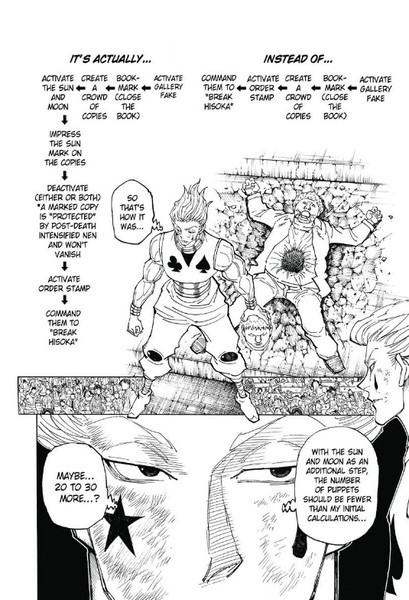
To keep the Hunter X Hunter comparison going, one of the best fights in the series is the, so far manga-only, fight between Hisoka and Chrollo. This fight has plenty of escalation behind it, as it was built up for literal decades with both characters being some of the biggest badasses in the series. This fight also has rules galore and serves as proof that there's nobody better at creating interesting situations for his favorite little freaks to run around in than Yoshihiro Togashi.
Togashi is the master of this, and Hunter X Hunter is his magnum opus. He's one of the precious few mangaka in this space who are able to turn these rule-based systems into full-on tactical warfare. Almost every main character in HxH is cunning to some degree, and most battles are solved with wits as opposed to strength.
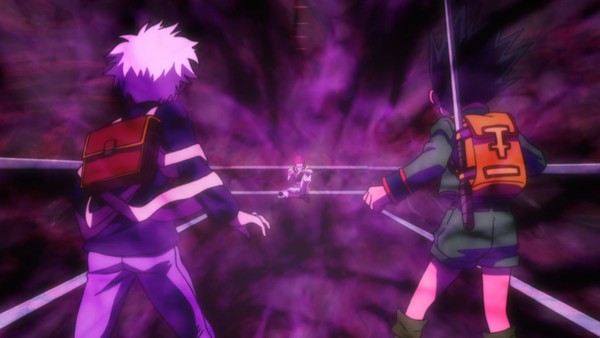
He doesn't throw his audience straight into the galaxy brain stuff, though. He builds on fundamentals. When Gon and Killua learn about Nen, they experience it as an undefinable yet overpowering force. Neither they nor the audience know what Nen is at that point, but Togashi provides a tangible foothold before the complicated, pages-long explanations roll in.
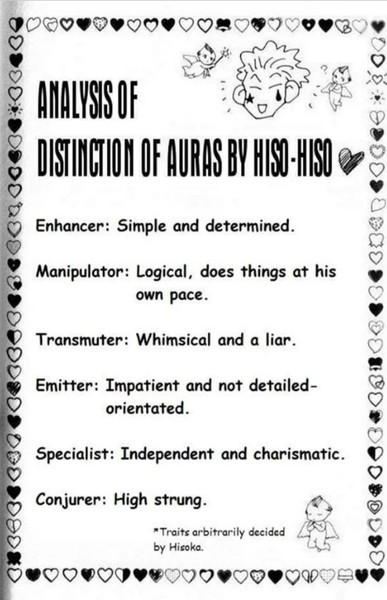
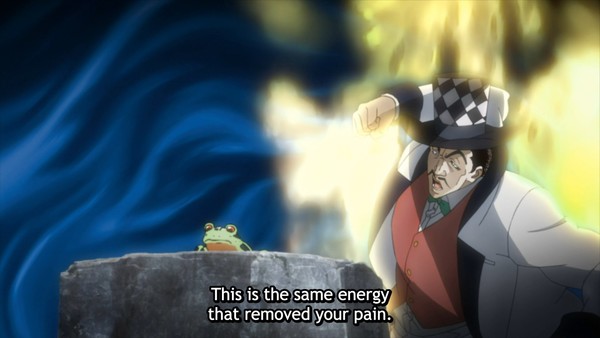
Absolutely! And Nen serves as another great point of comparison between the series and their approach to storytelling. Nen is a practice, energy, and subject to study and has opinions on in Hunter X Hunter. It's not just a means through which supernatural and elevated-reality stuff happens in the series. It is actively explored and commented on by the characters in this story, usually with them bringing their backgrounds and personalities into that engagement.
Cursed Energy, on the other hand, is much closer to how chakra works in Naruto. While it is the explicit manifestation of negative or distorted emotions that is used early on for the sake of social commentary and distinct character writing, at a certain point, it's pretty much just used as a storytelling plot device.
For instance, Gojo's Six Eyes repeatedly come up in the story as a big part of why he's the strongest...but they don't really do anything noticeable to the viewer. Sure, there are a few lines of dialogue about how they give him precise control over cursed energy so he can never run out of it, but a person running out of cursed energy has never really been an issue in JJK!
He's strong because he has the Six Eyes, and "they make him strong" is fine comic book logic. More than enough of an explanation to make me suspend my disbelief, but the JJK's insistence on adding more rules that merit scrutiny exposes these narrative cracks!
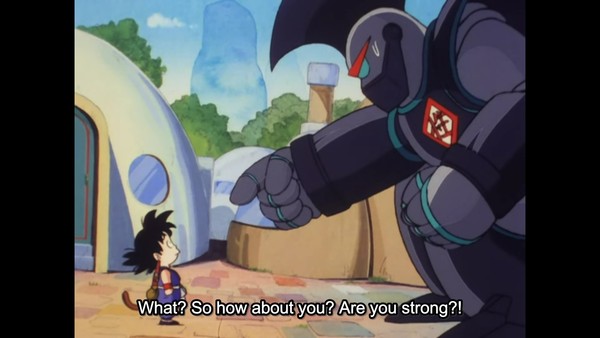
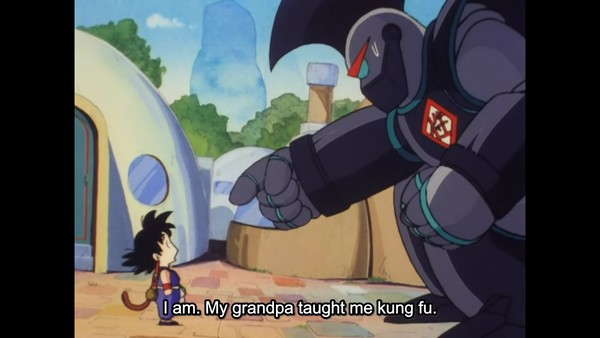
Let's roll back to the basics for a moment. Dragon Ball is arguably the blueprint for every successful battle shonen that followed in its footsteps, and it keeps its rules and escalations pretty simple. Goku punches people until he finds a guy he can't punch and loses. Goku trains and gets stronger. Goku goes back and punches that guy until he wins. Rinse and repeat.
And that's basically all Dragon Ball needs! It's a structure Toriyama borrowed from martial arts films, and it worked well enough to define a genre. I've been steadily making my way through the whole anime, and this pattern holds from the adventures of baby Goku there all the way to where I'm at now, in the Cell Saga, as Goku is—you guessed it—training so he can beat Cell.
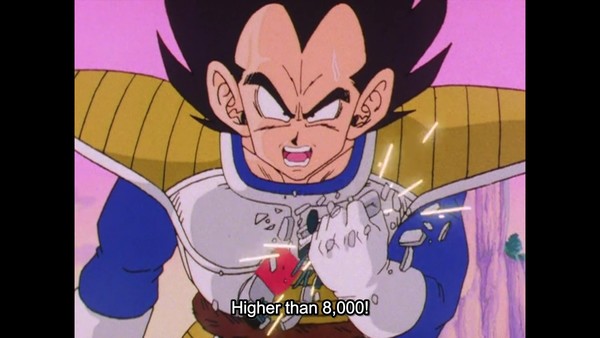
Dragon Ball, rather notoriously, does quantify this growth when it introduces power levels, but even that measure quickly becomes nebulous and irrelevant (but don't tell Dragon Ball fans I said that).
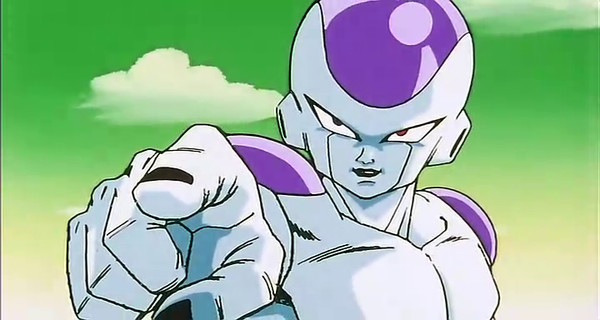
I WILL tell Dragon Ball fans you said that, Sylvia, because it's actually a great example of how rules don't actually need to matter to tell an affecting or memorable story. Freeza doesn't feel like an immediate and insurmountable threat because he has a high power level, but instead because he's introduced as Vegeta's boss as the main cast lies dead or nearly defeated as Vegeta flees Earth. Freeza's strength is then built up further by most of the Namek Saga by Vegeta, Goku, and Krillin doing everything they can to collect the Dragon Balls without Freeza noticing.
We don't need a huge dive into Freeza's backstory to be afraid of him or a barrage of on-screen text to convey the circumstances and goals of our characters in this storyline. All we need to do is keep following the actions and reactions of characters we like.
And certainly a lot of this stems from Toriyama being a generational talent. Moreover, Dragon Ball's characters are, I'd argue, its real triumph, especially its villains. Frieza, the Androids, Cell, Buu—all fantastic fellas. And Vegeta is one of the most important figures in the literary canon.
Not every mangaka can or should be Toriyama, but the shadow of Dragon Ball nonetheless looms large over battle shonen. In addition to escalation within a particular series, all subsequent battle shonen engage in an act of extrinsic escalation, either consciously or unconsciously. They cannot be as "pure" as Dragon Ball, so they must find some other superlative to chase to set themselves apart.
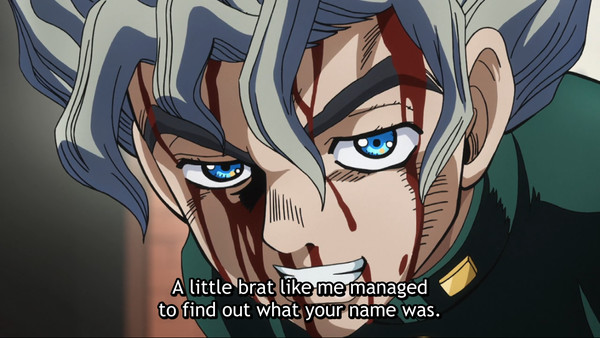
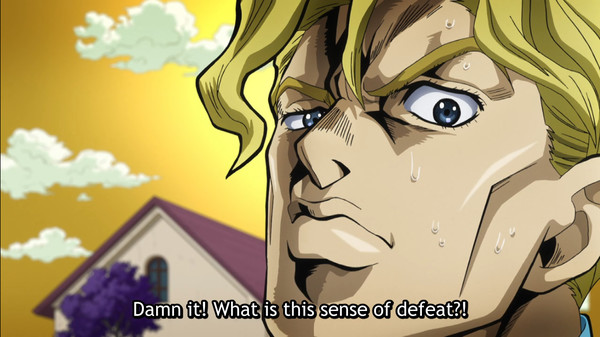
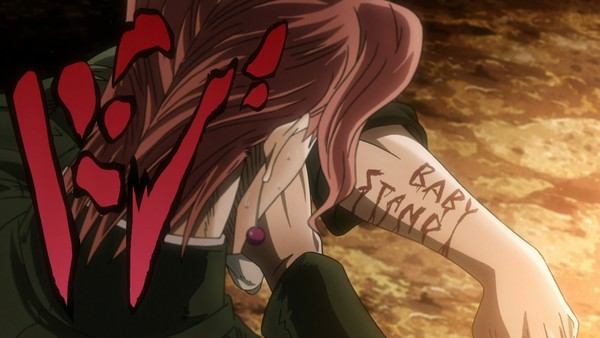
Agreed! And this is true even for works in the genre that are nearly as old and arguably as formative as Dragon Ball. Once it gets the Fist of the North Star magic karate out of its system, JoJo's Bizarre Adventure uses stands to make every fight an exercise in creativity, where victory is almost always treated as proof of a character's resolve or personal growth.
Every author in the battle shonen space is trying to make their fights distinct, compelling, and even thematically weighty. While there are a lot of ways to do that, the more authors figure out their bit early on and then refine it, the more a work tends to be celebrated by folks in our circles.
Conversely, when a mostly vibes-based series like JJK suddenly decides to throw a bunch of hard rules into the mix, either as a framing or plot device, it's going to get called out as feeling a bit jarring.
And these writers should have space to experiment, to be clear. Even Araki didn't "get it right" the first time. The first two JoJo's arcs utilize Hamon, which more closely resembles the basic energy/power aura that many battle shonen default to.
He only came up with Stands in the third part, iterating on these basics, and you can see him further develop and experiment with Stands with each subsequent arc. It's a brilliant system! It turns minor villains into memorable figures, and lets Araki mix and match rulesets as he sees fit, without any overstaying their welcome. It's a good balance between the strategic focus of, say, Hunter X Hunter powers, and the more meatheaded satisfaction of Dragon Ball.
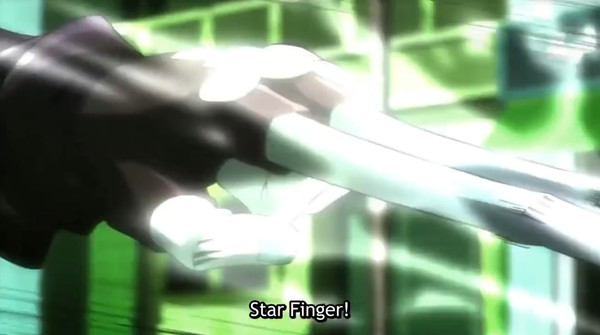
Agreed! And even if JJBA fights can still sometimes devolve into one guy managing to punch harder than another guy, at least those "punches" are still fun and unexpected! I can forgive a Deus Ex Machina when it has a name like "Star Finger" and feels like an allusion to Goku's Power Pole!
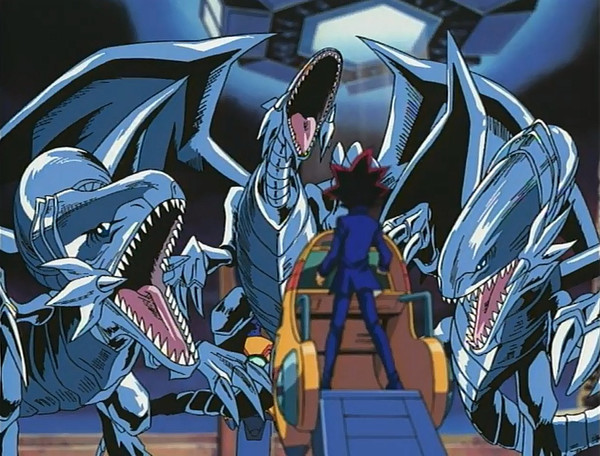
On the flip side, another quiet king of shonen, Yu-Gi-Oh! manages to create plenty of drama, tension, and character expression through a battle system that's defined and structured enough to have an actual popular card game based on it in the real world. And while there are plenty of "screw the rules, I have money!" moments early on in the series, the way the rules of this world evolve is arguably as impressive as Araki turning JJBA into his own imagination funhouse.
As the old saying goes, rules are made to be broken. As a writer working in this space, you have to hone the skill of knowing when to introduce and abide by rules, and when to prioritize theme, narrative, and character over them. Are the rules of a card game more important than allowing Yugi and Kaiba their aura moments? Usually not! But that only goes so far.
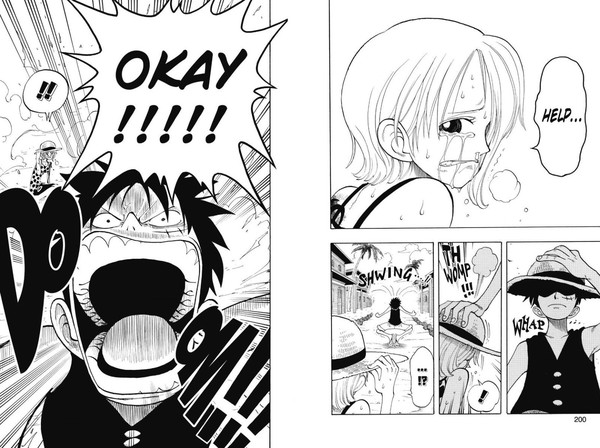
I was also thinking about One Piece in this context. It certainly has escalation (Luffy encounters stronger and stronger foes and grows accordingly) and rules (the Devil Fruit powers, bounties, etc.). However, when I think about the parts that most endear me to One Piece, I think of the powerful, emotional, and earned character beats.
I know exactly where you're coming from here! For as much as One Piece is celebrated for its Tolkien-esque world building, where it really shines is in the marriage of its expansive world and endearing characters.
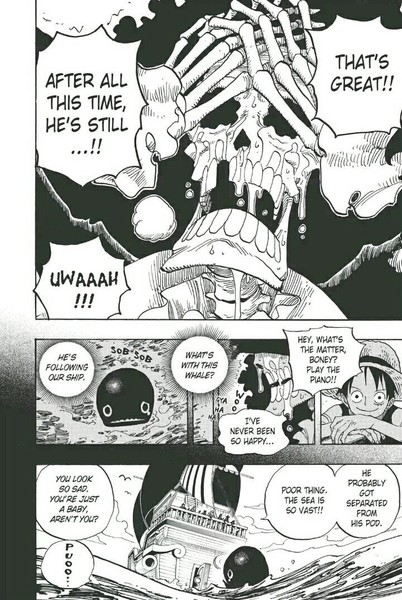
The definitive One Piece moment for me is when Brook, an immediately likable skeleton man, breaks down in tears after finding out that the whale Laboon is still alive. Laboon was introduced several hundred chapters prior as the first impossible obstacle the main characters faced in the Grand Line, but now the whale has been completely recontextualized as the only thing keeping Brook going.
Turning what's barely a character that was introduced years prior into the cornerstone of a fan-favorite character's identity is REALLY good writing, and makes all of One Piece feel like a series of interconnected events and relationships.
Oda certainly knows how to play the long game. And not just because the series is over 1100 chapters (and counting).
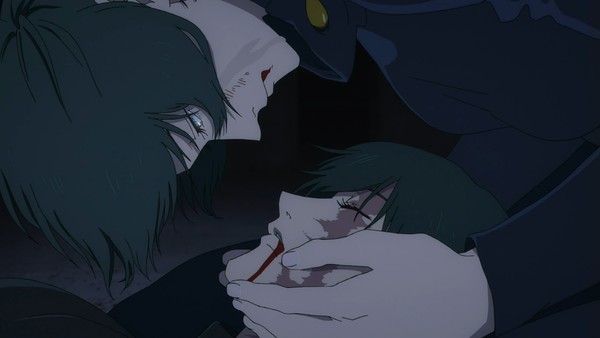
To pull things back to JJK again, this also might be why the third episode of this season feels extra frustrating. The fourth episode shows us a fleeting glimpse of what the story could have looked like if it had different priorities.
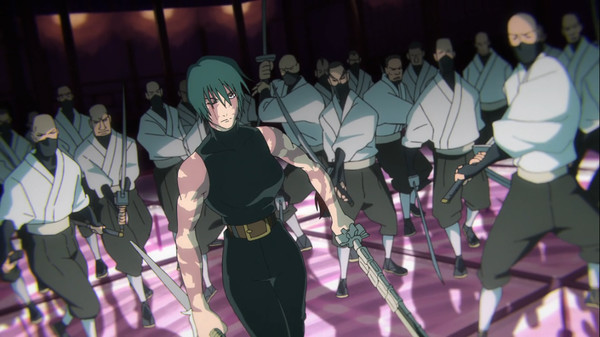
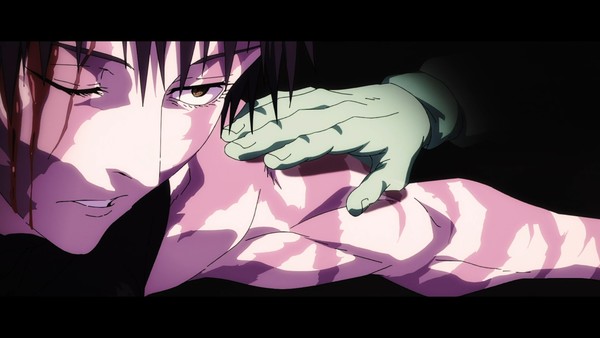
As someone who appreciates a good Kill Bill reference, women destroying repressive systems with the power of incredible violence, and some brilliantly animated action scenes, I was pretty up on the fourth episode! But I agree that I desperately wish this sakuga was in the service of better writing.
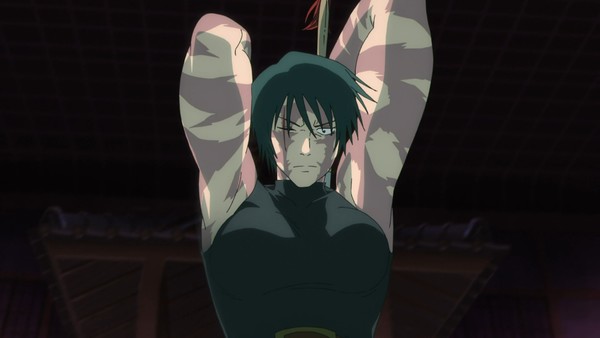
In another example of JJK feeling more like a collection of influences than its own distinct voice, the show definitely expects its audience to recognize that Maki and Mai have a tortured but loving relationship, based on similar dynamics expressed in other media, rather than putting the work into establishing that through the narrative. Though, if I'm allowed to be nitpicky for a moment, I'd say JJK never really did a great job of making me care about Maki in a vacuum, as she's always been defined in relation to other, more relevant and legible, characters like Yuta and Toji.
Exactly. We can all sketch a rough draft of her revenge arc in our heads, and it's easy to imagine JJK using that as a fulcrum instead of as a side quest. It could have spent more time with Maki and Mai's shared familial trauma. It could have used the Zenins' misogyny to critique the prevalence and institutional rot of the real-world patriarchy. It could have not written off Nobara and developed her relationship with Maki deeper. There are so many ways to build up to this overdue explosion of violent, cathartic justice. They didn't have to be complicated. But JJK settles for shortcuts and shoots from the hip.
I wasn't really joking when I posted on Bluesky that this is a great episode to watch on its own if you haven't been keeping up with JJK, because it does kick ass to see Maki kick ass. But within the context of the entire series, the missed potential casts a shadow over everything enjoyable about it.
Ordinarily, I'd agree with you, but I'm not really expecting JJK to be a dialoged and narrative-focused deep dive into these kinds of issues and relationships. I've accepted that it's striving to use the storytelling conventions and aesthetics of the battle shonen genre to tell a familiar, but socio-politically informed, story, and I think episode four largely succeeds in this. Don't get me wrong, I'd like it if Mai were more of a character and less of a plot device, or if the Zenin clan's patriarchal leaders were developed a bit more before this confrontation. However, I felt that this episode still made its point.
It made this point with all the subtlety, nuance, and depth of a sledgehammer swung by anime's latest muscle mommy, but I'm not really expecting that kind of experience from JJK.
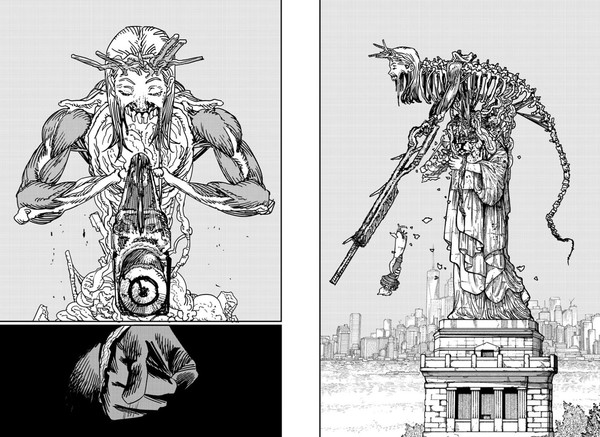
I'd say that goes for battle shonen in general. Certainly, it's a genre that can gesture at big themes and ideas. My current favorite, Chainsaw Man, does this all the time. However, as a piece of popular entertainment marketed towards young boys, it is beholden to the constraints we've discussed. While I think Chainsaw Man is better than most at poking its head out of those waters, it can only bob up and down. It can't swim ashore.
Now, if Fujimoto ever fully commits to making Chainsaw Man a romantic comedy, then we can have a different discussion.
See, this is where I struggle with genre conversations, as, at a certain point, I worry they begin to become prescriptive rather than descriptive. I don't really think about Chainsaw Man as a shonen work at all, as so many of its influences come from other kinds of media and clearly not trying to fit cleanly into that mold. I don't want marketing/promotional labels to stifle or direct analysis of a work.
That being said, CSM is 100% a romcom and damn fine one at that!
I mean, "shonen" doesn't just mean one kind of thing, and that's good! Any art collective that grows too incestuous is doomed to spiral out into irrelevancy. When we look back in the future, Chainsaw Man's various orthogonal influences might be seen as a vanguard for a new, more adventurous vision of what "shonen" is or could be. Same with Dragon Ball and Bruce Lee. Or JoJo's and haute couture. The best artists borrow liberally from all over the place.
Jujutsu Kaisen reaching such heights while drawing almost entirely from other shonen influences will accelerate that diversification! JJK feels like the endgame of popular battle shonen ideas, meaning that the only thing left for artists to do to make their own work under that moniker feel distinct is to get weird with it! Nothing is going to be more shonen than JJK, and I hope that means we're about to see a wellspring of creativity in the medium.
Just as long as that wellspring keeps the flowcharts to a minimum. Save those for the stand-up meetings.
Near the gleaming beaches of Atami, a small cleaning service can ensure that your clothes are just as bright.― This manga, written and illustrated by Mitsuru Hattori, has a relaxed, somewhat distanced feel, even as we run around town with Wakana. The narrative is trying to do several things at once, and some of those things it does well, while others feel like a dissonant note to the whole. To begin...
Sylvia and Lucas discuss the building blocks of shounen battle series.― Sylvia and Lucas discuss the building blocks of shounen battle series. Disclaimer: The views and opinions expressed by the participants in this chatlog are not the views of Anime News Network.Spoiler Warning for discussion of the series ahead. Crunchyroll streams Dragon Ball, Dragon Ball Z, Hunter x Hunter, Jujutsu Kaisen, and ...
Atsushi Abe, M.A.O, all-star cast voice Antai's story of hero repeatedly reincarnated in bizarre forms― Antai's Megami "Isekai Tensei Nani ni Naritai Desu ka" Ore "Yūsha no Rokkotsu de" (Goddess: "What Do You Want to Turn Into When You're Reincarnated in Another World?" Me: "Into a Hero's Rib") light novel series is inspiring a television anime which will premiere in April. The fantasy story is set ...
Kenshō Ono, Asami Seto, Takashi Nagasako star in Studio Kafka anime of Ikka Matsuki's manga― Twin Engine announced on Tuesday that a television anime adaptation of Ikka Matsuki's Nippon Sangoku manga will premiere in April. The company also revealed the anime's first promotional video, teaser visual, main cast, and staff. The anime will star: Kenshō Ono as Aoteru Misumi Asami Seto as Saki Higashimac...
Welcome to the rankings for the Winter 2026 season! It's hard to beat Frieren, but Journal with Witch certainly seems up to the task, with every episode a home run.― Let's have a look at what ANN readers consider the best (and worst) of the season,
based on the polls you can find in our Daily Streaming Reviews
and on the Your Score page with the latest simulcasts. Keep in mind that these rankings a...
If the original Code Vein is “Anime Dark Souls,” Code Vein II is “Anime Elden Ring.”― 2019's Code Vein is very much a game built on the Dark Souls foundation. It plays similarly in most ways, but two things set it apart from that series: its anime-inspired art style and its focus on plot and characters (more than on environmental storytelling and collecting brief snippets of lore from item descripti...
In the inagural entry to This Week in Mobile Games, Josh Tolentino takes a look at recently released gatcha powerhouse Arknights: Endfield.― Hello, and welcome to the first installment of This Week in Mobile Games, Anime News Network's latest column! I'm Josh, and every couple of weeks, I'll be shining a light on the latest in mobile games. You might be wondering, "Who's this clown?" Indeed, while ...
In a world where rapid changes are frequent and often unrequested, it can be comforting to have a show that is consistent almost to a fault.― Record of Ragnarok Season 3 is precisely what it purports to be – no more, no less. Dear reader, I'm not completely sure how to approach this review. In part, that is because this work is exactly what it says on the tin, no surprises and no curveballs. I would...
What does MAPPA's new arrangement with Netflix mean for anime consumers? Jerome breaks it down.― Pochita no Osewagakari asks: "With the recently announced strategic partnership between Netflix and MAPPA, is the studio now more likely, or less likely, to be able to ensure better pay and working conditions for its animators and freelance subcontractors? Furthermore, with this deal, is MAPPA turning i...
The first female writer-artist duo in Jump history has created a uniquely magical series that capitalizes on charm while juggling fantasy, action, and comedy.― For better or worse, Shonen Jump reigns supreme in the world of anime and manga and has consistently churned out some of the biggest franchises on the market. As such, in the wake of juggernauts like My Hero Academia and Jujutsu Kaisen havin...
It's this span of episodes that showcases what makes Detective Conan so great.― Rivals of the Great Detective continues to showcase some of the stronger elements of the Detective Conan franchise. I can continue to question the release order or overall plans for the franchise's global release until the sun explodes, but instead, I'll channel all of that energy into reviewing these batches of episodes...
New anime is "enhanced" edition of Dragon Ball Super that reconstructs story; includes new, redrawn cuts― The "Dragon Ball Genkidamatsuri!" 40th anniversary event for the Dragon Ball franchise on Sunday announced the Dragon Ball Super: Beerus television anime series, which will air on Fuji TV this fall. The anime will again feature Kōichi Yamadera as Beerus. Yamadera was on stage to announce the ani...
New anime adapts "Galactic Patrol Prisoner Arc" arc of Dragon Ball Super manga― The "Dragon Ball Genkidamatsuri!" 40th anniversary event for the Dragon Ball franchise on Sunday announced a new anime titled Dragon Ball Super: The Galactic Patrol. The event revealed a video that shows animated panels and other art from Akira Toriyama's original manga before announcing the anime. Academy Award-winning ...
timelesz idol Shōri Satō, Suzume's Nanoka Hara star in Kaori Mado's story― Kaori Mado's Kimi to Hanabi to Yakusoku to (You, Fireworks, and the Promise or Kimi-Hana for short) is receiving an anime film adaptation which will open on July 17. Shōri Satō of the idol group timelesz plays the protagonist Makoto Natsume, and actress Nanoka Hara (Suzume, live-action Oshi no Ko, Mieruko-chan) plays the hero...
The creator of Land is back with Wonder Boy! Also a new Godzilla spinoff, a new series by Oh! Great, and more!― Welcome to Anime News Network's Winter 2026 Manga Guide! You may have seen one of our seasonal Anime Preview Guides, where a team of critics writes up each new anime television premiere as it airs at the beginning of a season. Now, doing something like that for manga is tricky - there's n...
White Note Pad is a story that demands introspection.― Tomoko Yamashita is adept at writing stories that explore humanity. Although not many of her works have been translated into English, the two anime adaptations she's garnered – The Night Beyond the Tricorner Window and Journal with Witch – both amply demonstrate her thoughtful exploration of identity, gender, and sexuality alongside complex emot...
Okumaro's risqué school manga about otaku who can control reality with mouse cursor― The official X (formerly Twitter) account for Suiseisha's seinen comic label announced on Friday that production on a television anime of Okumaro's Click Me All Over (Mouse Cursor de Genjitsu o Sōsa Dekiru Yō ni Natta node, Onna no Ko o Ippai Click Shima~su) manga has been green-lit. The announcement will also appea...
Mazinger Z, Cutie Honey, Devilman creator among 19 Judges Choice honorees― The Will Eisner Comic Industry Awards announced on Thursday the 19 Judges Choice honorees who be inducted into the 2026 Hall of Fame, including manga creator Go Nagai. The committee who chose the inductees includes: Michael T. Gilbert, Karen Green, Alonso Nuñez, Diana Schutz, Jim Thompson, and Maggie Thompson. The other 18 in...
It's the perfect weather to read more books! Cozy up and find your next light novel read, whether it's horror in a certain region in Japan or a fantasy romance.― Welcome to Anime News Network's Winter 2026 Light Novel Guide, the companion to our manga guide! Every included novel was published in December or January or is an upcoming February release. This guide focuses exclusively on series premier...


 @RiderStrike
 @BWProwl
 @LucasDeRuyter
 @vestenet