

The Winter 2026 Manga Guide
Magnolia: Fairy Tail Illustrations
What's It About?
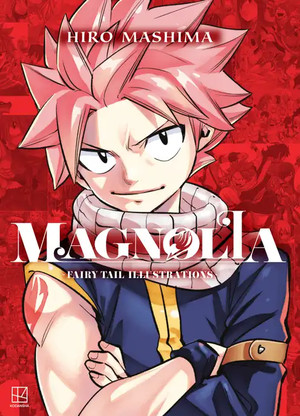
The ultimate full-color art book for fans of the best-selling fantasy epic, Magnolia: Fairy Tail Complete Illustrations includes a whopping 470 illustrations from throughout Fairy Tail's 11-year, 63-volume run. All your favorite characters are here: Lucy, Natsu, Gray, Wendy, Erza, Juvia, Happy, and dozens more! As the story continues in sequel series Fairy Tail: 100 Years Quest, with new anime and video games, the franchise has never been stronger, but this is the first Fairy Tail art book to get an English release.
Magnolia: Fairy Tail Illustrations has art by Hiro Mashima. English translation is done by Lindsay Clifford, and lettering by Steve Wands. Published by Kodansha USA (December 16, 2025). Rated 13+.
Is It Worth Reading?
Rebecca Silverman
Rating:
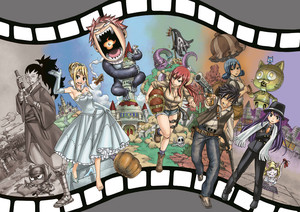
I really do like Hiro Mashima's art. Yes, nearly every picture of the women has them either looking up or down at the camera so as best to show off their cleavage, and yes, Lucy tends to wear very little (same with Erza, but her poses often feel less sexualized). But there's a sort of glee that tends to radiate off of Mashima's artwork, as if he's just having a blast drawing it all. From intensely crowded group images to carefully posed pinups, Magnolia is a very nice encapsulation of everything that makes Fairy Tail, Fairy Tail.
And I do mean that in terms of the story beats covered as well. As you page through the book, you can see Mashima hammering out which couples are canon and covering specific plot points, such as the whole Zeref and Mavis storyline or the advent of new guilds into the main story. There's a (beautiful) illustration from the Phoenix Princess film and an entertaining progression of Levy/Gajeel images that shows Mashima working that bit out. The book is packed in a very real and positive way.
Along with the illustrations, it also includes a breakdown of how Mashima creates his color artwork, right down to specific art programs he uses, as well as sketches turning into line art and two interviews. Mashima discloses that he's been fully digital since Fairy Tail began, but that people often can't tell, which seems to indicate that he's doing it right. The final piece of the book is a glossary of each image with Mashima's comments about where it came from and any thoughts he has on it; it's hard to argue with him being pleased with the image where everyone is a different movie reference. (It's also one of two images where Lucy plays a classic fairy tale character – Cinderella, with the other casting her as Snow White.)
Still, there's a lot of cheesecake and beefcake in this book (Mashima's devotion to drawing the oft-excluded male nipple notwithstanding), and it earns its 13+ rating. It does feel exploitative at times, especially in the disparity between how much clothing Lucy is wearing and that of virtually everyone else. But if you're a fan of the series or Mashima's color art in general, it's worth picking this oversize hardcover up.
Bolts
Rating:
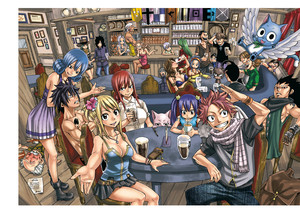
It is no exaggeration that I am a massive fan of Hiro Mashima's Fairy Tail. So being allowed to review one of his art books was one that I was not going to miss out on, and after getting the chance to physically hold this in my hand, its quality is top-notch. Everything from the incredibly durable binder of the book to even the quality of the paper feels pristine. The colors are vibrant, the composition still looks sharp, and everything is superbly well presented. Even if you are not a fan of Fairy Tail, you can't deny that Mashima definitely pours a lot of love into the characters that he draws with fun, perspectives, and strong poses that can capture both the comedic and serious elements of their personalities.
From what I can tell, this art book seems to be in a mass collection of various different book covers, double-page spreads, and illustrations that Mashima has put out for the manga, along with some illustrations he's posted on the side for promotion. Not everything is here from what I can tell, and it does look like a majority of the artwork present is from the style that he eventually grew into during the second half of the franchise. If you followed Fairy Tail from the beginning, then you'll see that Mashima's style was very much more in line with lanky, toned bodies and sharper hourglass figures. The latter style he adopted in Fairy Tail's lifespan is more definitively his style, but it would've been nice to see the evolution of his art style over the years.
The book itself isn't exactly organized, and there isn't a lot of indication where the art pieces come from or when they were drawn. Of course, that doesn't matter much to me as a diehard Fairy Tail fan, I can pretty much tell exactly which scenario all of these art pieces were from, or at least guesstimate which arc they're from. I also recognize some of these art pieces as covers for the Shounen magazine they were published in, or in volumes. In those cases, the illustrations were obscured by a bunch of text, so now I get to see the full artwork and let it breathe without any other interference. If we are strictly looking at this from an artistic standpoint, everything here is strong if a little bare bones.
I would argue that a lot of the meat of the art book comes in its final dozen pages. The book actually goes into a full breakdown of how Mashima colors illustrations. We get a bunch of line drawings and what appear to be concept sketches from one of the Fairy Tail movies as well. There are also some interviews in the back of the book that go over Mashima's interest in illustrations specifically. Granted, these interviews seem to have been from other older Japanese art books, but I don't think those were ever translated, so it looks like this is one of the few ways that you can officially read them. I love how Mashima tries to emphasize that he wants things to feel hand drawn as possible, even though a lot of the work he does is on a computer. One of my favorite jokes of the interview seems to be when he was asked what his favorite illustration was, and he just said that it's whichever one he finished most recently. I do appreciate the fact that there are some lessons and advice that Mashima does give during this interview, like always looking for new sources of inspiration in order to keep the art fresh, and how he is looking into different types of techniques in order to elevate his artwork even more. I would say if you're a fan of Fairy Tail then it is definitely worth getting to add to your collection. There's a lot of quality and love that was poured into this that I think a true Fairy Tail should be able to appreciate.
discuss this in the forum (4 posts) |

back to The Winter 2026 Manga Guide
Seasonal homepage / archives