

News
South Korean Supreme Court Finalizes Ruling in Favor of Webtoon Creator Pito in Copyright Dispute
posted on by Wonhee Cho
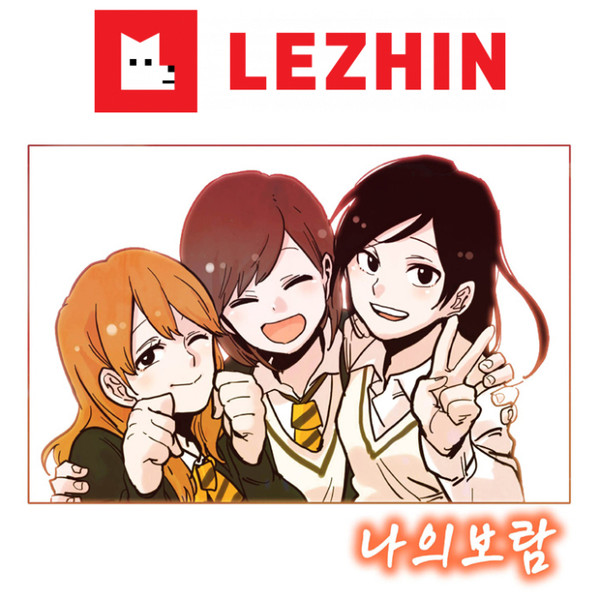
According to reporting from Korean news outlet Nocut News on February 26, South Korea's Supreme Court has finalized a ruling in favor of webtoon creator Pito in a long-running copyright infringement case, rejecting claims that a platform executive held joint authorship of the work.
Following the court's decision to dismiss the final appeal, the Korea Cartoonist Association issued a statement welcoming the outcome, saying the ruling “clearly confirms creators' rights under the law.”
The association added that the verdict, which came after seven years of legal disputes, demonstrates that coercion and undue pressure tied to hierarchical power cannot be justified under the guise of creative collaboration.
The case dates back to 2013, when then-Lezhin Comics CEO Hee-sung Han listed himself as a “story writer” on Pito's debut webtoon My Pleasure. At the time, Pito was 17 years old. Han subsequently received between 15% and 30% of the work's revenue.
Pito argued that Han had not meaningfully contributed to the project, stating that the executive had only suggested ideas and provided verbal feedback without participating in script writing or storyboard creation. Han, however, claimed joint copyright ownership, arguing that he had created the story's genre framework, characters, and overall narrative.
In the first trial in 2022, the court ruled that merely proposing ideas or themes does not constitute creative contribution under copyright law. Han was fined 10 million won (about US$6,700). The appellate court upheld the ruling, and the Supreme Court's dismissal of the appeal has now finalized the judgment.
The court reaffirmed the legal principle that copyright belongs to individuals who make substantive contributions to the concrete expression of a work. The decision clarifies that providing ideas or participating in planning alone does not qualify someone as a joint copyright holder.
The Korea Cartoonist Association described the case as significant because a minor and rookie creator successfully defended their rights against the head of a major platform. The group also said that unfair contract terms should not be tolerated simply because they were formally agreed to.
Source: Nocut News (Min-soo Kim)
