

Spring 2026 Manga Guide
Lonely Deaths Lie Thick as Snow
What's It About?
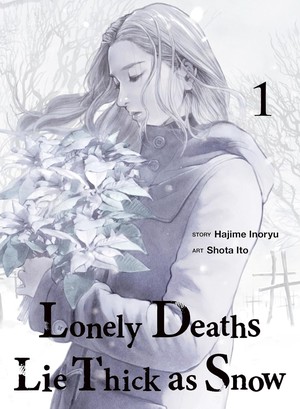
A routine call regarding a burglary at an empty mansion leads cocky young police detective Jin Saeki to a gruesome and shocking discovery. The corpses of 13 children, along with the presence of a strange symbol, spur a manhunt for Juzo Haikawa, the mysterious absentee owner of the house. So begins an investigation (and an obsession) that will take Jin all over Japan and into the darkest recesses of both the past and the human soul.
Lonely Deaths Lie Thick as Snow has a story by Hajime Inoryū and art by Shōta Itō. English translation is done by Mark Streer and lettering by Madeleine Jose. Published by Vertical (March 3, 2026). Rated T+.
Content Warning: child abuse, domestic violence, child death
Is It Worth Reading?
Rebecca Silverman
Rating:
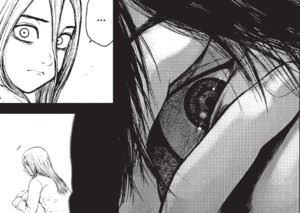
One day police detective Jin Saeki is called to a mansion to investigate a report of burglary. What he finds instead is a basement full of the bodies of starved children, a DVD detailing their last moments, and a terrible mystery with ties to his own troubled childhood. If you are at all squeamish, this is not going to be the book for you, because even if the art mostly keeps things at a distance, this is an intense, disturbing book. On the other hand, if true crime-style narratives are your thing, don't wait to pick this up.
As might be expected from the police procedural subgenre of mystery, this is a story with a lot of moving parts. Jin's persona as a cocky young cop is at least in part a mask he wears to cover up a childhood filled with parental abuse, and this case taps into all of his buried trauma. It only gets worse when a woman named Kanon shows up at the precinct, claiming to be the daughter of Juzo Haikawa, the missing owner of the mansion where the bodies were discovered. Kanon tells Jin a story about how Juzo saved her back in 1994, when she was an abused and neglected child, and how by the time she last saw him in 2002 (four years from the present date of 2006), there were eighteen other children living in the mansion with them. Kanon herself was the fifth child to be taken in, and Jin is aghast to recognize his own younger half-brother among the kids. A little investigation reveals that of the nineteen children, six are still alive and can be accounted for – including one in prison. And every single child tells the same story: “Juzo Haikawa didn't do this.”
Lonely Deaths Lie Thick as Snow's first volume is just setting up the mystery, but it does so with the dark panache of a vintage horror film. Claustrophobic panels and grim closeups of faces set the scene, and absolutely no one seems like a trustworthy witness. Was Juzo really just picking up kids the system let down, and did one of them turn out to be the proverbial bad seed? Or was he a charismatic villain who brainwashed the kids he “saved?” All of the information we have about him comes from the kids themselves, making it inherently untrustworthy, and Jin's own troubled childhood keeps him from remaining a dispassionate investigator. It's a dark, disturbing story purposefully set before smartphones became ubiquitous to force Jin and the other detectives to rely solely on old-fashioned detective work, and I'm simultaneously terrified and intrigued to see where it will go.
Erica Friedman
Rating:
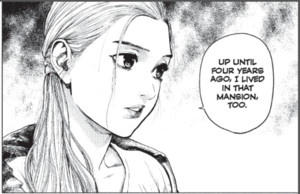
What starts as a horrific crime, involving the unspeakable deaths of thirteen children, quickly takes on a whole new dimension as the lives and deaths of the children, and the suspect involve not only the surviving members of the household, but Detective Saeki's own family history.
The first few pages are hard to read, and yes, I was not thrilled to have to bear witness to more violence against children, but that violence is not the story…it is the setting of a much more complicated plot. The psychology of the characters is right here on the surface of this psychological thriller crime drama, and it's all just human beings coping with the shit life throws at them.
CW for death and violence against children, domestic abuse, starvation. If you hate feeling icky about all of this, this might be something to avoid. But if you like “true crime,” gritty dark stuff, and police procedurals, you might find yourself captivated by the very good writing and art. Because the art and writing is so skilled, one is tempted to continue, hoping that this will not just be a circus of horrors. In actual fact, this is much more fully realized story about found family after betrayal of a one's blood family. It is also, very much a story rooted in the pain of parents abusing and neglecting their children. The truest horror here isn't the crime at the center of the story, but the many invisible crimes, the common horrors in abused children's lives, that leas up to it.
The art here is brilliant. Photorealistic in places, disturbingly beautiful at times, Lonely Deaths Lie Thick as Snow's first volume often feels more like watching a television drama than reading a book. This feeling is compounded by the coincidence of the main character's own family being involved in the circumstances surrounding the crime. If you can stomach the premise, this is a compelling, if not entertaining, story.
The views and opinions expressed in this article are solely those of the author(s) and do not necessarily represent the views of Anime News Network, its employees, owners, or sponsors.
discuss this in the forum (3 posts) |

this article has been modified since it was originally posted; see change history
back to Spring 2026 Manga Guide
Seasonal homepage / archives