Gatchaman Standing Out in CROWDS Waving their Insights
by Coop Bicknell & Sylvia Jones,
This week, Coop and Sylvia take a look at 2013 anime Gatchaman Crowds, and its sequel—which predicted the future we're now living in.
Disclaimer:The views and opinions expressed by the participants in this chatlog are not the views of Anime News Network. Spoiler Warning for discussion of the series ahead.
Sylvia
Ring ring, Coop. We're receiving a long-distance collect call from the far-flung past of the mid-2010s. Sounds like this might be important. Will you accept the charges?
Coop
All right, Sylvia, I'll bite. But this call better not send me down a rabbit hole in which I keep seeing parallels to our current political climate and the role social media played in establishing it.
And yep, that's right, this week in "This Week in Anime," we are turning back the clock and looking at one of the most colorful, divisive, and arguably prescient anime series of the 21st century: Gatchaman Crowds and its sequel Gatchaman Crowds insight. Don't panic. We're all in this together.
Truthfully, this idea has been on the TWIA back burner for over two years. Reader Dan Blackwood suggested it over email back in September of 2023, so thank you, Dan! And sorry we have been so glacial in getting to it. On the bright(?) side, CROWDS certainly hasn't lost any of its relevance in the past couple of years. Quite the opposite, actually!
Every once in a while, you encounter a series that feels like a warning. Serial Experiments Lain comes to mind with its musings on the internet's early proliferation. While Lain's predictions took some time to fully unfold, CROWDS (and insight especially) comes off as a last-minute appeal for viewers to fully think through their decision-making. That gut feeling rings true when you consider that insight aired in 2015. I'd imagine that both Sylvia and I are going to approach this one with an "American in 2026" viewpoint. There are tons of Japan-specific political issues touched upon here, but having lived through the last decade and change, I couldn't keep myself from seeing stark parallels to the ongoing rise of fascism in my home country. The fact that I hadn't seen this series until recently is another reminder that those alarm bells have been going off for way longer than many would like to admit.
Even before we get to that, I think it's worthwhile to comment on how the series felt back in 2013. This was early enough that there was still some novelty in a mainstream series directly tackling social media. We were also in the middle of the big superhero craze, and CROWDS's unconventional approach with its unconventional protagonist stood out. A lot of people DID NOT like Hajime.
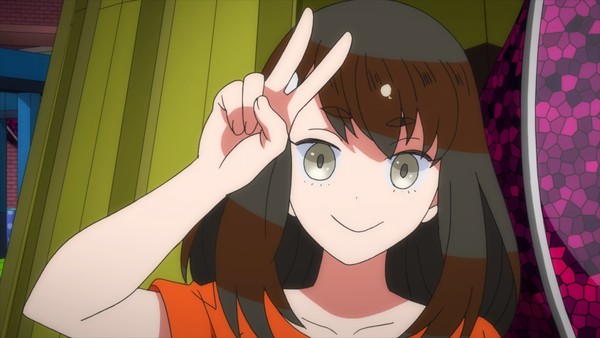
Not me, of course. I was pro Hajime-ssu from the get-go.
As a newcomer to CROWDS, I can see why folks were bugged by her. Even more so if they expected another Tiger & Bunny kind of show to swoop in while those two were over and out.
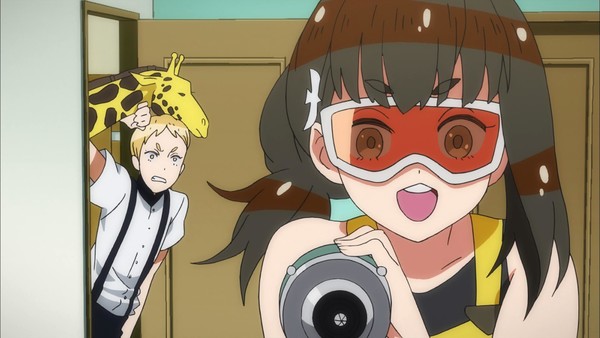
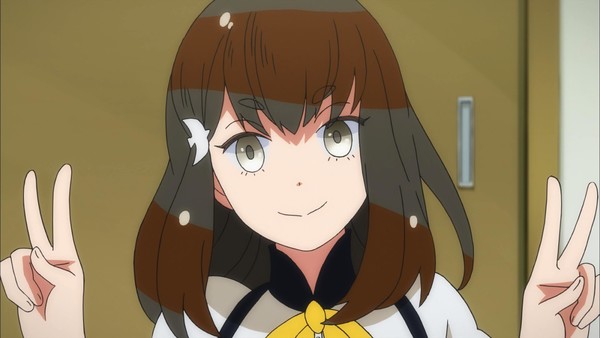
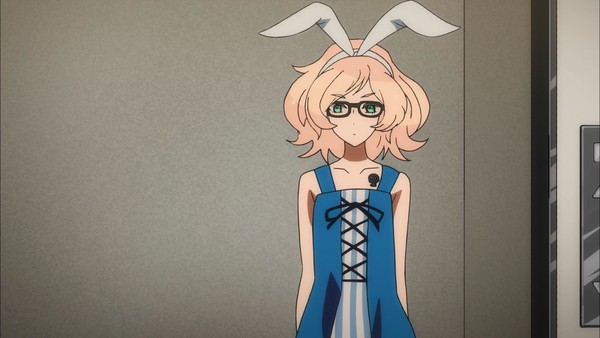
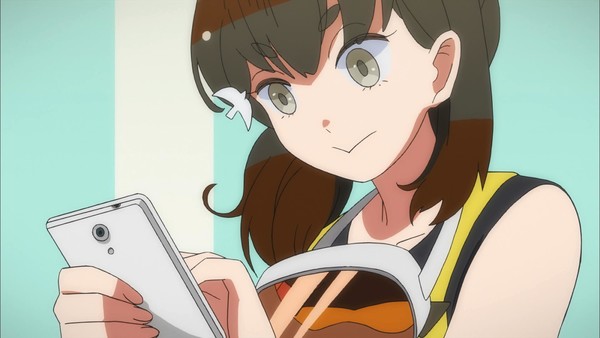
But despite her often eccentric and occasionally esoteric approach to life, Hajime grew on me because she's never against cutting straight to the heart of any given situation. Even though she doesn't always make sense, there's a sensible reason behind her actions. Well, most of the time. I don't know if her lease allows her to drill into the wall, though.
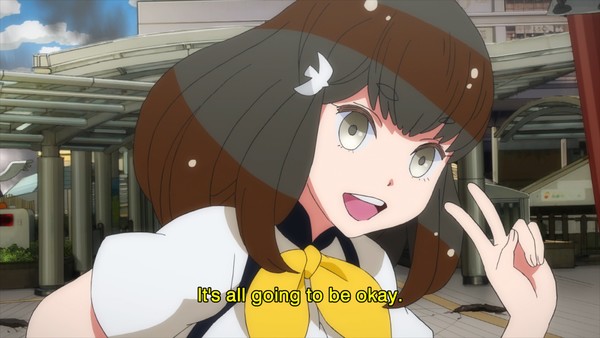
I mean, she's basically the antithesis of a superhero, at least as far as the popular conception of them is concerned. In season one, she shakes up the Gatchaman status quo by going for non-violent solutions with public transparency. She trades the traditional kicks and punches of tokusatsu for arts and crafts. She's unrepentantly bubbly and feminine in a way that bristled the 2013 audience (and still does to an extent, I'm sure). But the long arc of CROWDS always vindicates her and reveals her intelligence.
The most valid critique is that she functions as an avatar and/or mouthpiece for a set of ideas before she functions as a three-dimensional character. But that's kinda CROWDS in a nutshell. It is foremost a series all about interrogating big ideas, and it's very important to its themes that a figure like Hajime stands at the center of it.
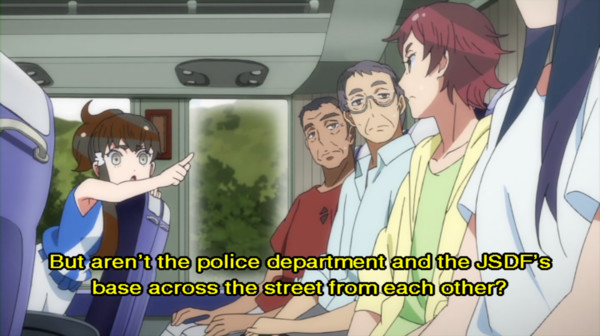
Her relationship with social media is key as well. Rather than just being a regular old poster, she's actively engaging with her local community. She sees it as a tool that can bring people together in person—be it the local collage club, her Gatchaman duties, or both. A great example of this pops up while she's on a club trip with the town's mayor, fire chief, and other government folks. They're all talking about linking up more on GALAX (the social media app in question), but Hajime's like, "You're in person right now, and your offices are just across the street from each other. You don't need an app for that."
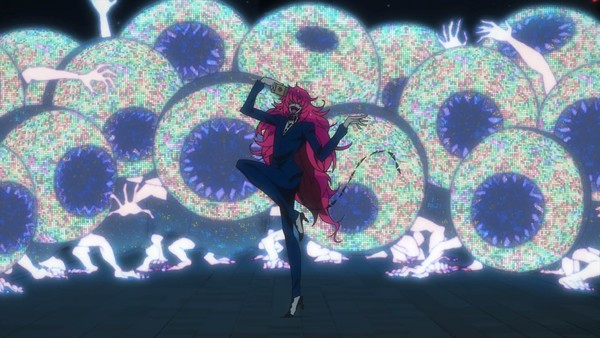
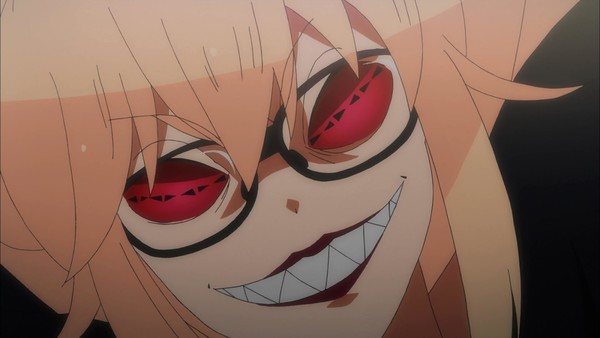
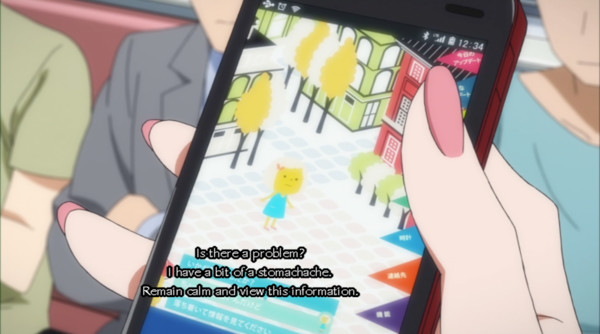
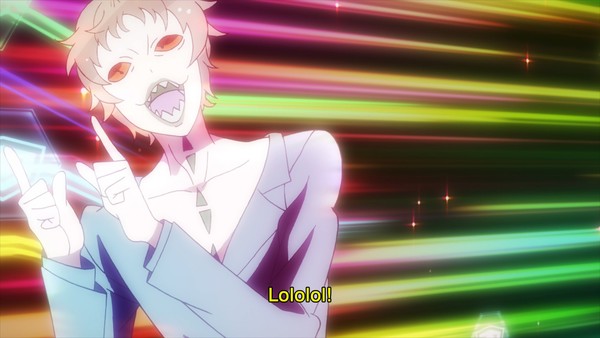
The first season as a whole interrogates that link between social media and community, namely how one is a manifestation of the other, and it's a two-way street. Users accomplish positive changes with GALAX, which goes as far as gamifying and incentivizing good deeds. But by the same token, it also becomes a means of harassment and violence. Nowhere is this more blatant than in the existence of the antagonist Berg Katze, who is basically the cruel and wanton id of our social media selves personified. The troll of trolls.
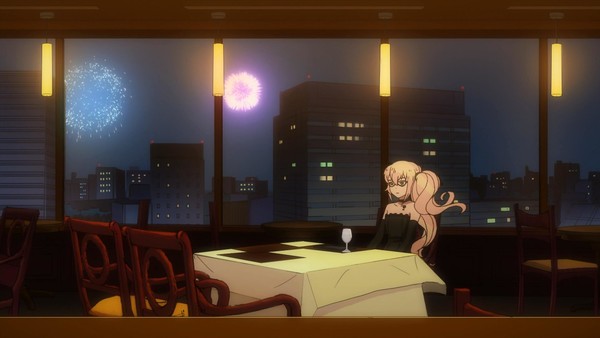
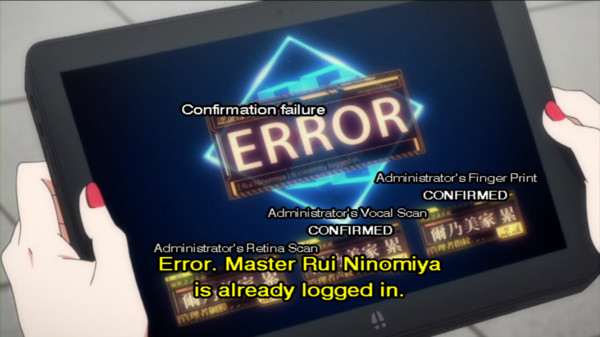
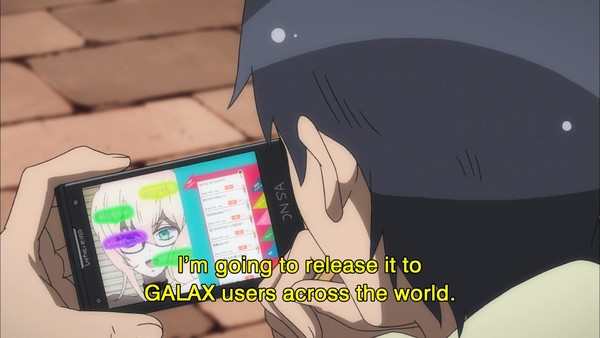
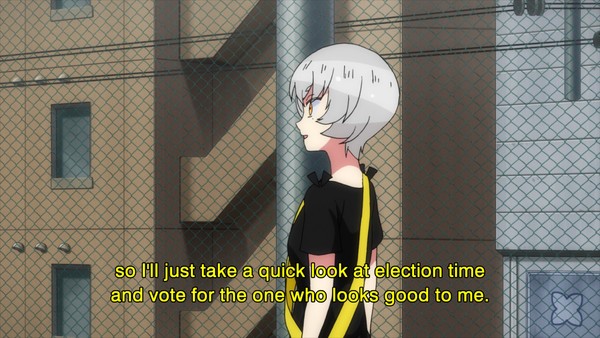
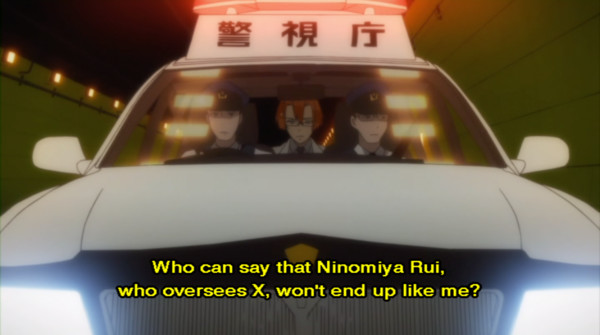
Meanwhile, the secondary antagonist, Rui, is the creator of GALAX, who believes above all else that her technological disruptions and innovations are the key to pushing mankind further and democratizing heroism. She is, in other words, the tunnel-visioned tech CEO phenotype we all know too well.
Also, to head off the comments, yes, I know that Rui is gendered male in the show. But come on. Dressing like this for most of the series. Having an alter ego. Being into computers to a worrying degree. That's a trans girl.
She most assuredly has the socks hanging around somewhere. Rui seems to have noble ambitions, but they only serve to back up her dangerously naive outlook on life. If there's dissent among her chosen hundred GALAX users, she'll cut them right out immediately. She believes herself to be the proper shepherd in "updating the world," but never once considered the consequences of her power falling into unscrupulous hands. That power being the titular CROWDS—physical manifestations of the digital self.
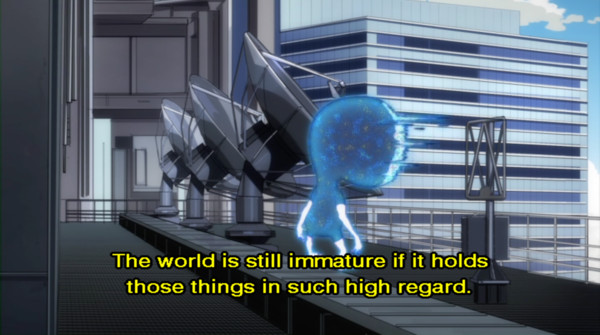
In a series stuffed with metaphor and symbolism, Katze's ability to copy any person's appearance is one of the more obvious. He is, at once, all of our worst online instincts given form.
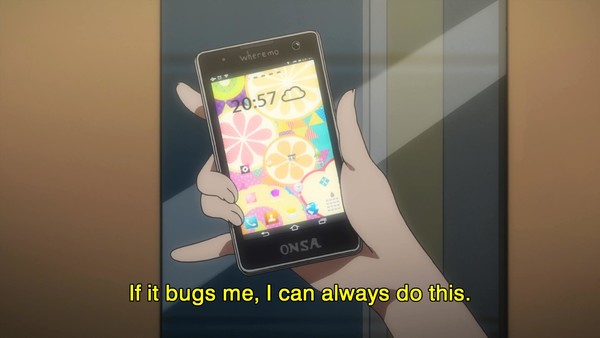
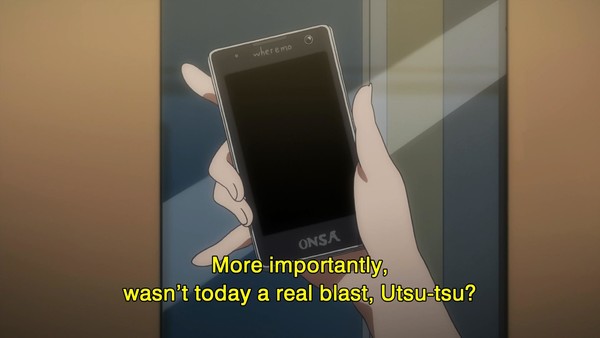
And I want to reiterate: we were not really seeing narratives like this in 2013 that dealt with online harassment and the potential of the still-novel phenomenon of ubiquitous social media. CROWDS took a lot of big swings at a fresh and complicated topic. In one of the more controversial moments, Hajime comforts Utsutsu by telling her she can just turn off her phone if people are bothering her.
A lot of viewers at the time interpreted this as Hajime saying that online bullying isn't real. And certainly, it's an oversimplification to tell people to just log off if they're getting death threats in their mentions. But if the past decade has taught me anything, it's that touching grass is more often than not the most correct move.
Thinking back to 2013, I thought of social media as a way to connect with people with similar interests around the globe. We'd talk about anime, robots that transform, and whatever other nerdy stuff came up. In the decade-plus since, social media still does an amazing job of building community on good days, but morphs into the absolute cesspit of humanity on bad ones. And there's been a lot of those lately.
GALAX, the AI known as X, and eventually CROWDS are introduced as an optimistic vision of how these tools can both save and improve lives. When couched in the role social media played in organizing groups and providing information in the aftermath of the 2011 Tohoku earthquake and tsunami, this optimism makes sense. However, it also raises questions we're all too familiar with today: "Is this information legit?" "What's the source?" "Is someone running a scam here?" It doesn't help either that the name "X" has aged like pungent milk.
While I think the first season raises a lot of good questions and skepticism about the utility of social media, it ends on an overall optimistic note—that people, united, together, can do great things. We can all be heroes. Unfortunately, one year after the first season concluded, Gamergate happened and provided a far more compelling counterargument: that our baser instincts are easily hijacked and manipulated by malignant actors in these fast-paced online environments. Social media does not dissolve our prejudices. It reproduces and refines them.
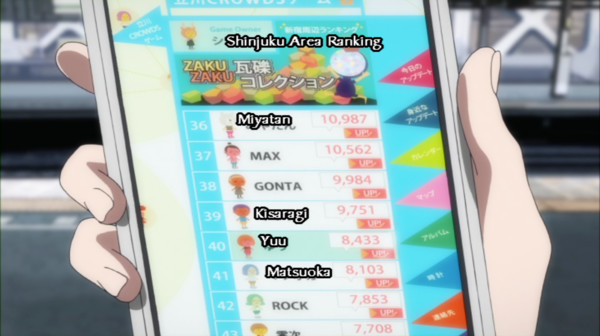
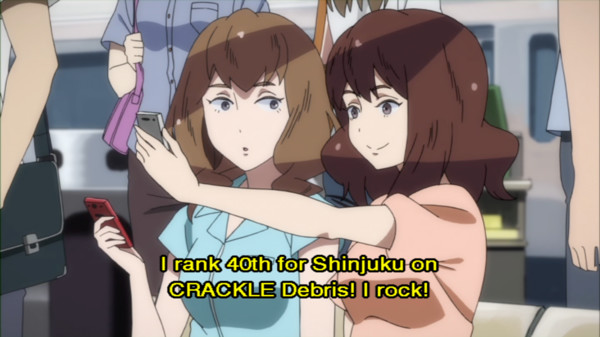
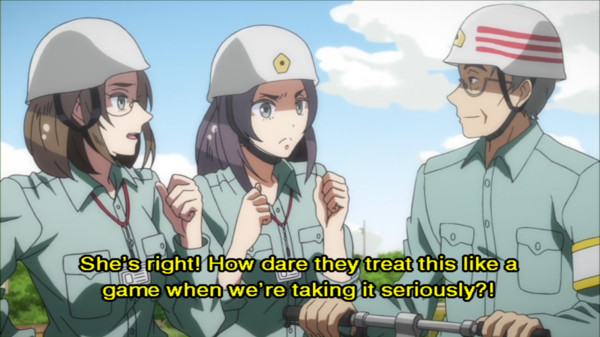
Related to that is the inherent gamification involved—the need for winners, losers, likes, and followers. In the case of CROWDS, every little good deed is associated with upvotes, and when there's a serious mess to clean up in the finale, it's simply treated as a game. Are they clearing the rubble because they actually want to help, or is it just to climb the leaderboard?
Real-life social media is just like this. Are we speaking out on an injustice or yapping about a milder topic (like a hobby) because we really want to? Or are we simply in the pursuit of likes and the associated dopamine rush?
And that's why I kind of like GALAX's cynically utilitarian take on that. Maybe that kind of gamification of good is the best we can ask for? It certainly beats much of the internet's contemporary usage. But this is a ridiculously complicated topic, and although CROWDS is a ridiculously dense series, it fails to address all of the relevant contingencies. There was a solid attempt, but the first season falls short of its ambitions.
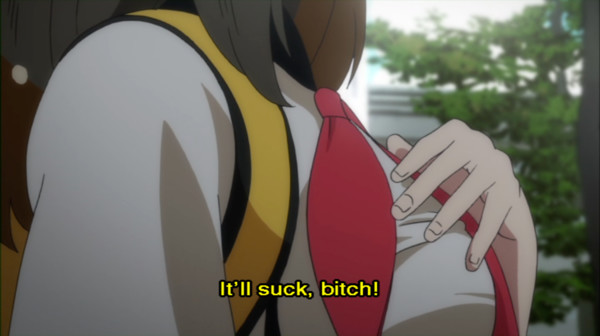
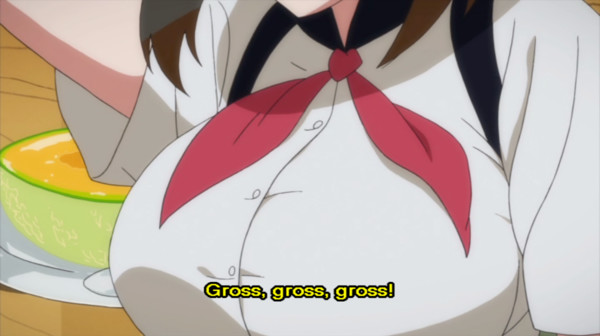
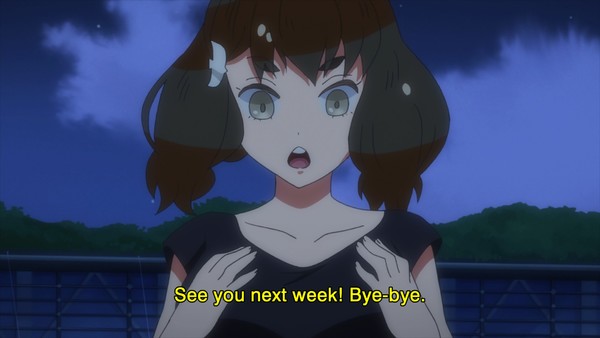
And also establishes that the Berg-Katze is stored in the boobs.
The zoom-in on Hajime's chest whenever Katze speaks never stops being funny.
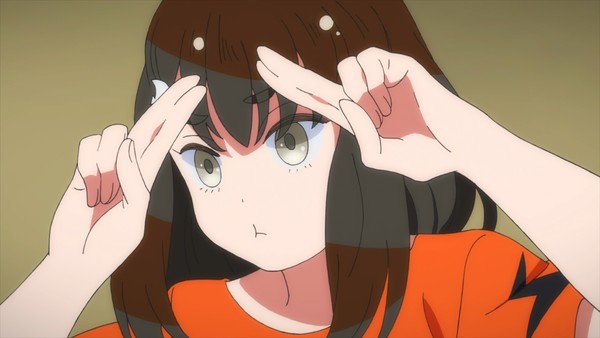
Side note: the original season finale was not finished when it aired. They got about half of it done and filled in the rest of the runtime with a clip show. It was a huge mess. So if you didn't eventually watch the director's cut of the finale, you completely missed the most important result of the first season: Hajime's fusion with Katze. The best and the worst of us, together in one high school girl whose favorite expression is : >
insight tries making up for this with an "episode 0" that catches the audience up, which is better than nothing.
True, but it's also worth noting that the proper finale isn't included in Sentai's DVD or Blu-ray release of either season. A touch frustrating, considering that those are your only options to watch the series legally these days. It was actually removed from HIDIVEback in August, but it's not hard to track down the DVDs or Blu-rays for a reasonable price on the secondhand market.
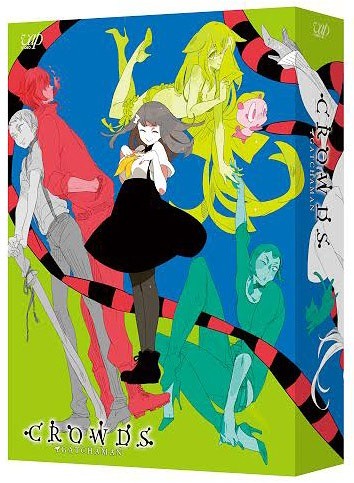
Meanwhile, I'm insane and imported the Japanese BD collection for the first season, which does have the director's cut (and illustrator/character designer Kinako's lovely box art). But that certainly should not have been the only way I could legally obtain it.
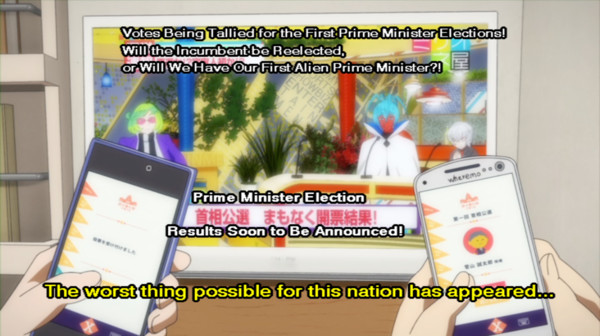
Anyway, back to insight. The second season, in almost all of the ways that matter, feels like a direct response to the first. It is more careful with its thoughts. It is larger in scope. It is profoundly cynical. And it is one of the most important political works of the modern age—a narrative that takes a cold, hard, terrifying gaze into the heart of the Median Voter.
If you're not crazy about how the first season occasionally danced around some of its commentary, you'll be glad to see that insight doesn't pull its punches... Or probably relive a little trauma because we've all lived through flavors of this plot. Minus the aliens and superheroes.
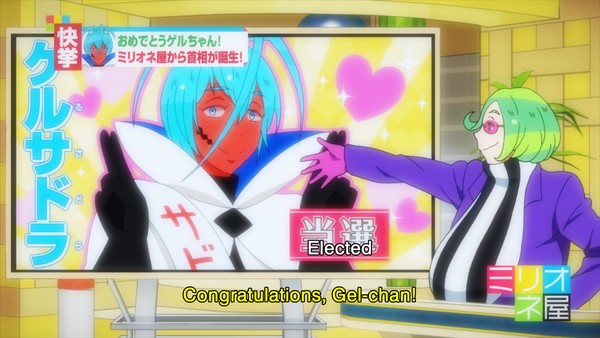
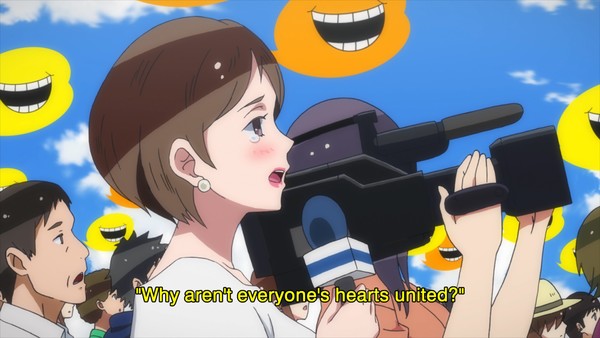
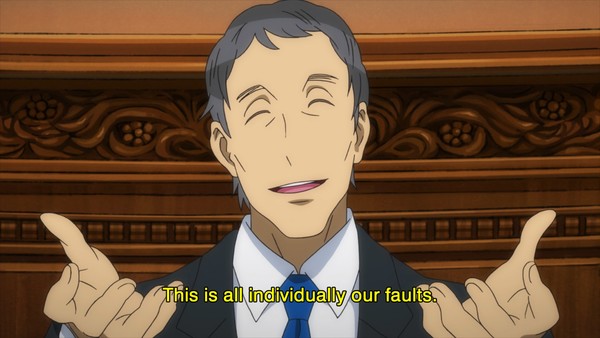
insight covers a lot of ground, to be clear. But in its main plotline, it follows the most benevolent populist demagogue one could imagine. It's a thought experiment that invokes many simplifications, but still digs into profound questions about the nature of governance, liberty, democracy, groupthink, and social coercion. And despite its smoothed edges, the picture it paints is at every turn revolting, horrifying, and a mirror held up to our present fiasco of a country/world.
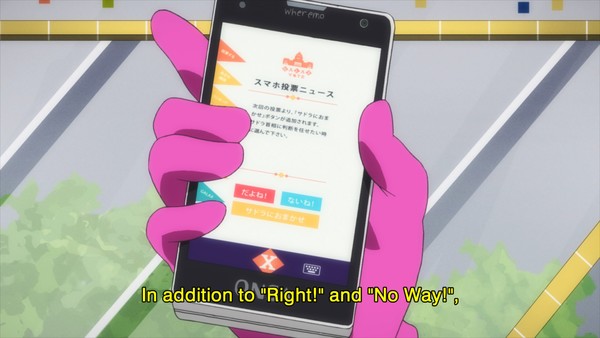
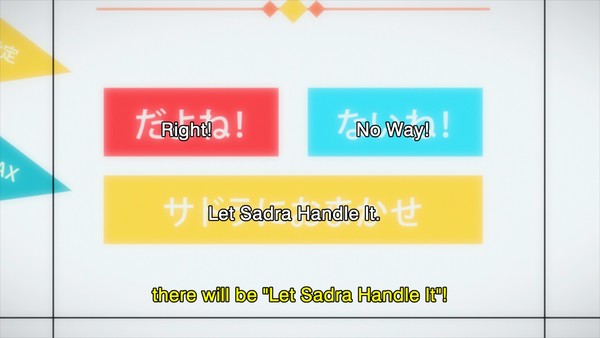
The introduction of that choice (or more accurately, the forfeit of it) left me reeling. It just rips the backbone out of democracy, along with Sadra's elimination of any checks and balances on his power. Oh, and he's obsessed with what people think about him to the point that he has a squad of goons to disappear anyone who goes against the grain.
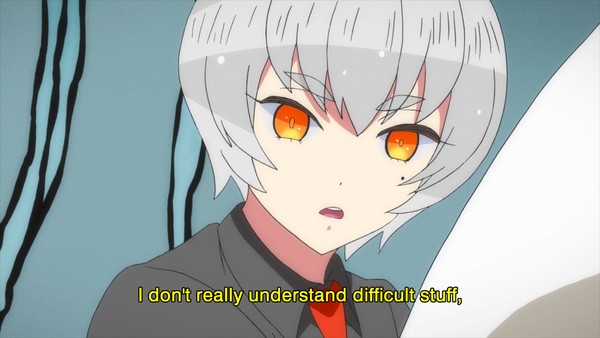
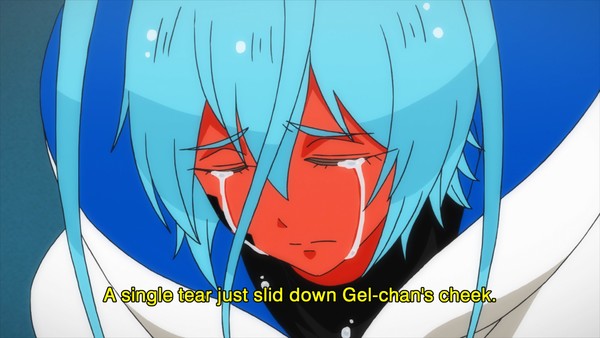
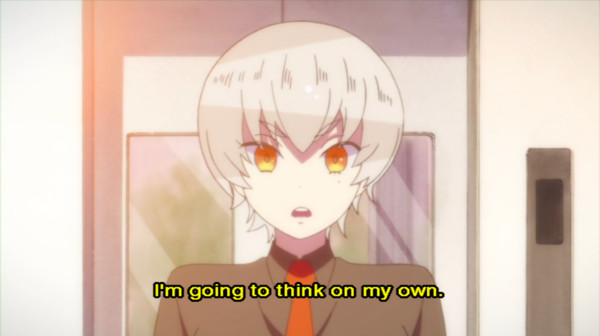
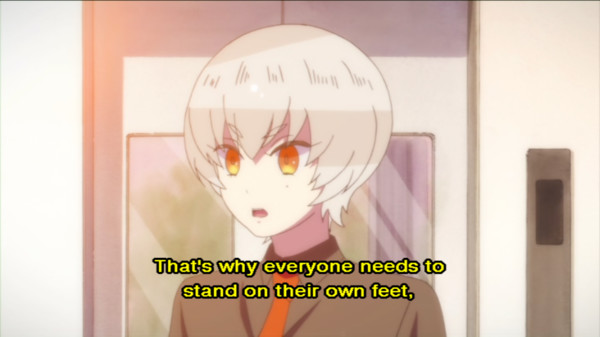
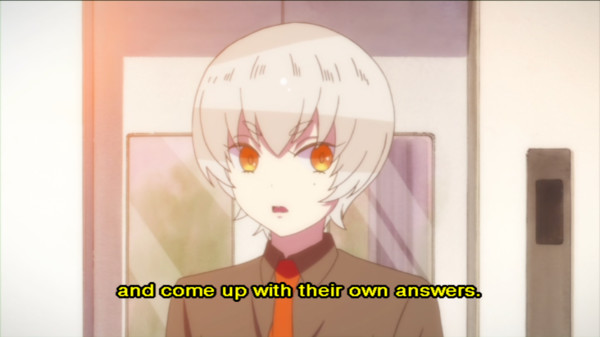
But up until this point, the newest Gatchaman, Tsubasa, just goes right along with him—never once actually taking the time to fully weigh her choices. She says everything's too complicated for her to dig into. So, instead she blindly devotes herself to Gelsadra's cause: bringing everyone together as one—whether they like it or not.
This is what history's greatest monster looks like.
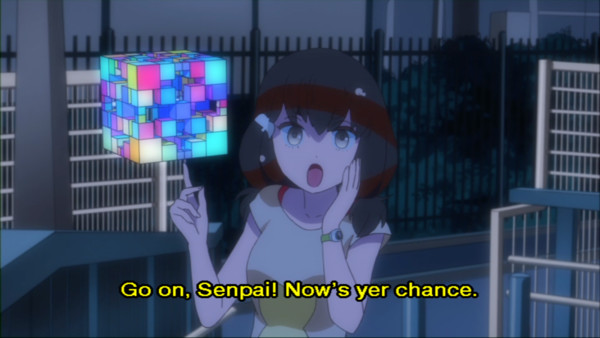
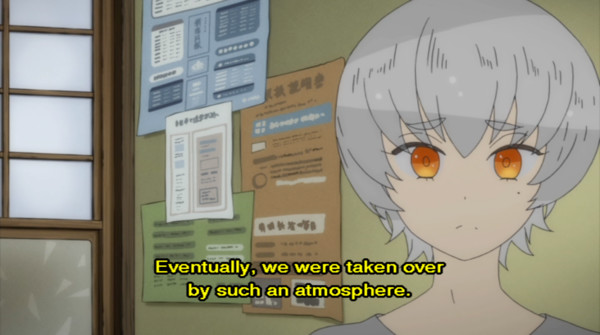
But seriously, as with every Gatchaman character, Tsubasa is a proxy for a particular mindset, and in insight's case, she is Hajime's foil. Whereas Hajime spends the entire season literally asking questions and refusing to give definitive answers, Tsubasa rushes into big decisions without thinking them through, as long as they align with the consensus. The keyword in insight is "atmosphere," which has the same double-meaning in Japanese as in English. The mood of any given collective is nebulous, malleable, hard to pin down, and as dangerous as a hurricane. It all depends on where it's pointed and who is doing the pointing.
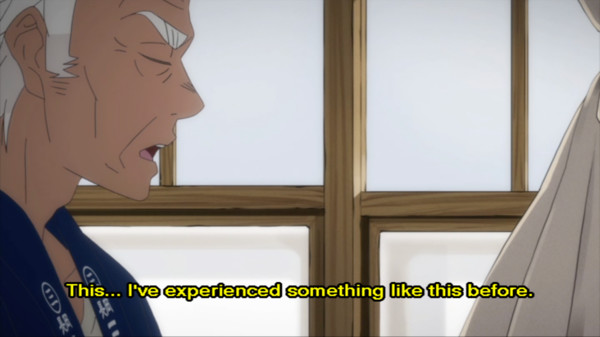
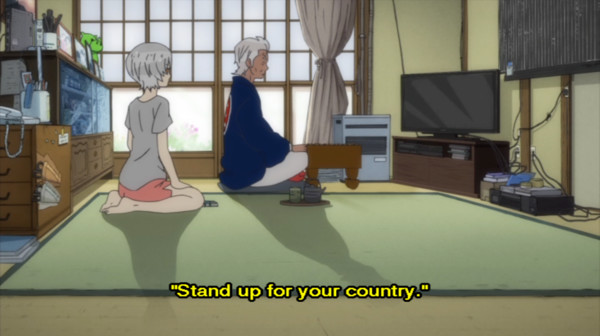
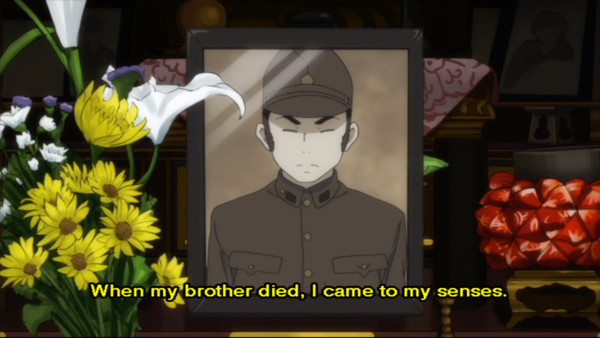
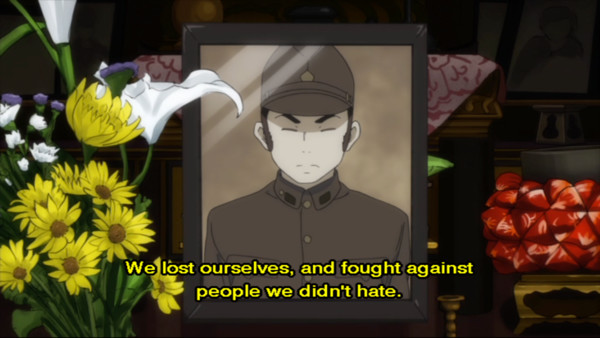
It takes until Tsubasa has a late series heart-to-heart with her great-grandfather—a WWII veteran—to realize that she's played a part in building this dangerous atmosphere. He lost his brother and much more to blindly following orders and ideals instead of making his own decisions. He'd tried to get it across to her before, but it never really took with Tsubasa until it was too late.
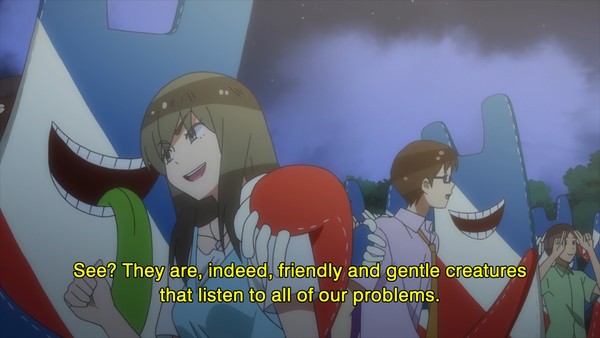
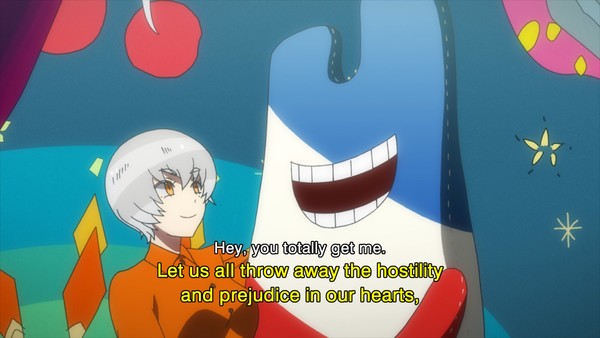
And of course it's World War II and its aftermath that would inspire insight's story. There's nothing "new" in Gel's rise to power or the manifestation of the Kuu-sama. They are abstractions born from numerous historical examples of totalitarian leaders, cult mentality, jingoism, and the abdication of civic duty. insight didn't warn us about the next decade. It tried to remind us of what we already knew.
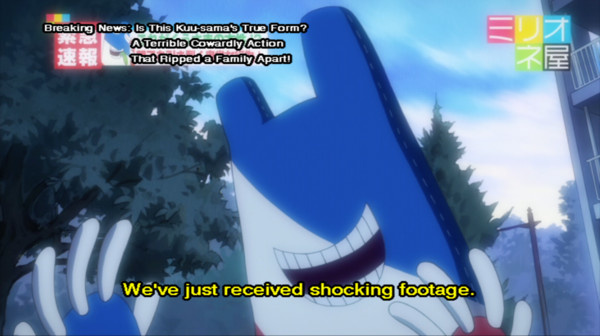
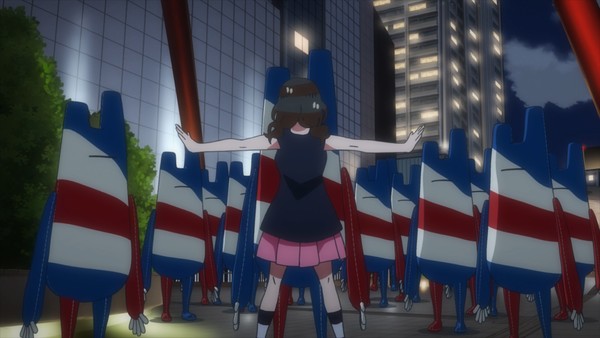
Except for the Kuu-sama literally being AI chatbot sycophants that placate the masses with alarming speed and proficiency. That one I really didn't see coming. Scarily accurate.
It says a lot when an antagonistic character takes accountability for their actions and tells the audience, "Think for yourselves before someone else does for it for you" at point-blank range.
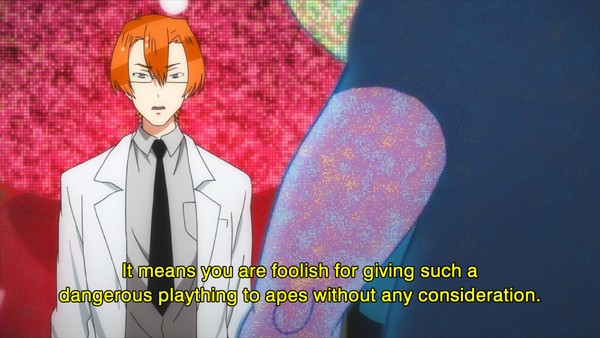
It's a lesson humanity has had to relearn time and again, because it feels good to belong. We are a social species, so we want to fit in. Rui has a related arc happening in parallel, where her doubts in her convictions cause her to shut down entirely and give herself over to the Kuu-sama, becoming an "ape." Because that's easier.
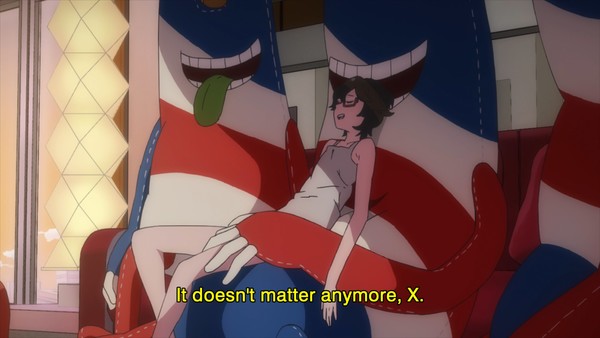
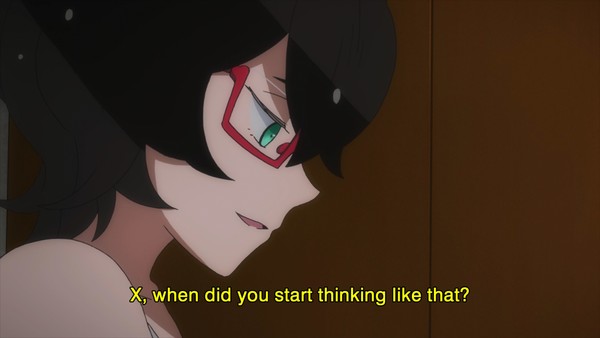
And it's profoundly ironic that X (the Gatchaman version) snaps her out of it by challenging her. It doesn't say yes. It says no. X, the Everything App, could never.
Conflict, insight argues, is not in itself an unwanted or unneeded thing. Oftentimes, we need conflict, and especially so when we're marching down a dark path. Hajime's incorporation of Katze into herself is a perfect example of this philosophy. She internalizes and acknowledges him because it would be far more dangerous to ignore him and leave him to his own devices. That world of ignorance is what Gel and Tsubasa originally dream of, and it's where everything starts going wrong.
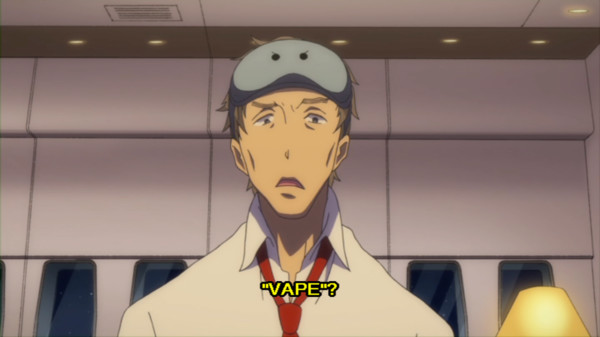
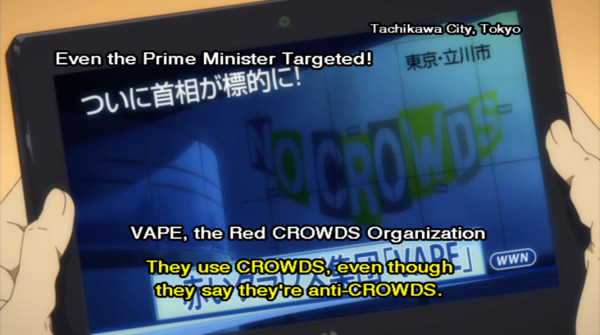
On a similar note, you have the leader of an anti-CROWDS group pushing back against Rui on her own naivety. That whole concept of "apes" comes from him...that's why he called his group "VAPE".
Man, that name is so 2016. Anyway, the leader's keen on getting her to realize that not everyone should be trusted with CROWDS, not even him. Even when he's stabbing the physical manifestation of her soul, he's like, "It could be even worse, dude."
And in deliberate contrast, I think insight's conclusion is far more conservative, if not cynical and pessimistic. Because while Hajime, Gel, and everybody else get their happy ending, they only do so by deceiving the masses and exposing them to the bloodshed they think they crave. It's not a solution as much as it's an exploitation.
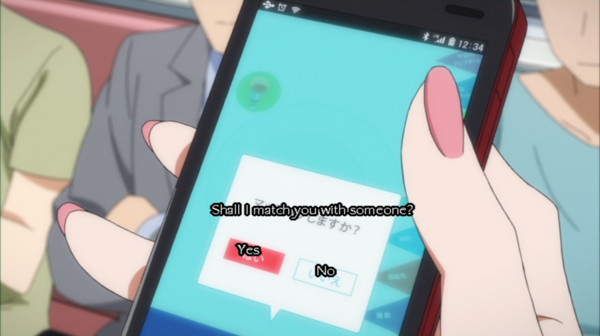
It took me aback that "Let the Gatchaman handle it" was an option alongside "Yes" and "No" when Gelsadra's fate was put up to a vote. Regardless of who "handles it," making that choice is still forfeiting your agency. No wonder Tsubasa of all people ended up telling everyone (and the audience) to figure it out for themselves.
And like the 2:6:2 rule referenced earlier in the season, there always seems to be some segment of the population that will never budge, no matter what happens or what evidence is provided. But insight is about the fickleness of the Median Voter, and that is a profoundly frustrating topic. It should not take this degree of stove-touching—video evidence of wanton, civically sanctioned murder broadcast on every major news network—for this many people to realize the logical consequences of their choices. Yet there's a wealth of evidence, both anecdotal and objective, that this is the case. insight does not know how to solve this, and I don't either.
Let alone discussion on an ANIME news network of all places, but I'm right there with you, Sylvia.
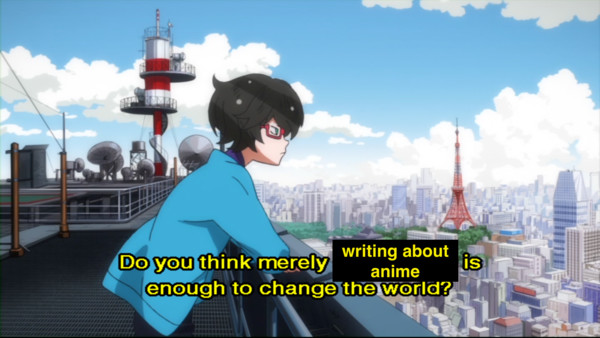
I'd be inclined to answer "yes" to that question, by the way. If our articles, reviews, and weekly musings about cartoons and comics can get even one person to look up from their screen and into their community, it's worth it every single time.
I hope so. I have to. Revisiting insight made me appreciate the show even more than I did in 2015, but in the end, it still can't come up with a more satisfying conclusion than "everyone gets distracted and moves onto the next thing." Will the people of Tachikawa truly know better next time? Or do we have to keep touching the stove, because there might be a chance the flames turn into diamonds before they char our palms?
They're all questions that'll be left to the birds long after we're gone. I hope someone will have learned something by then.
And as insight teaches us, there's nothing more important than taking those questions and thinking seriously about them. That's what my girl Hajime would do. And I'd trust her (and her scissors) with my life.
I can already tell Holy Boy is one of those titles that is going to stay with me for a long time. When I first began reading it, I realized I’d need to close the covers or else I’d be up all night following its characters into the most unsettling recesses of their distorted minds.― You don't need to look very far into real life events to see how idol singers bring out the worst in a select few of th...
This week, Coop and Sylvia take a look at 2013 anime Gatchaman Crowds, and its sequel—which predicted the future we're now living in.― This week, Coop and Sylvia take a look at 2013 anime Gatchaman CROWDS, and its sequel—which predicted the future we're now living in. Disclaimer: The views and opinions expressed by the participants in this chatlog are not the views of Anime News Network.Spoiler War...
Made specifically for the Danganronpa 15th Anniversary Event, this short, 15-minute vertical slice was designed to give the most hardcore Danagaronpa fans an original mystery never to be seen again.― Earlier this month, I was able to visit Spike Chunsoft headquarters in Tokyo to try out the Danganronpa 2x2 Special Trial Version on the Nintendo Switch 2. Made specifically for the November 2025 Dangan...
Originally, the series was a bit unclear about why Renako was in denial or always quick to run away from the romantic advances of others. This arc makes it explicitly clear that she does not think she is a good person who is deserving of any of that love.― There's No Freaking Way I'll Be Your Lover! Unless… was an interesting series that mixed funny comedic hijinx with solid character writing. While...
Despite starting second from the bottom with middling reviews, The Villainess Is Adored by the Prince of the Neighbor Kingdom has surged to #5 this week. Consider my curiosity well and truly piqued by this week’s rankings.― Let's have a look at what ANN readers consider the best (and worst) of the season,
based on the polls you can find in our Daily Streaming Reviews
and on the Your Score page with...
Dirty Pair fans came out of the woodwork to back this project—to the tune of US$731,406 what they got were years of delays, authoring problems, and a disc wrapped in a napkin. What happened?― Full Disclosure: Coop regularly works with Justin Sevakis and MediaOCD, including the modern incarnation of AnimEigo. His opinions given here are purely his own and do not reflect those of his employers. On Oc...
CyberConnect2 plans, develops, publishes game with music by Taro Hakase― The game company CyberConnect2 announced the new game .hack//Z.E.R.O. on Monday, the 30th anniversary of its founding. The announcement indicates that the action role-playing game is for consoles, as opposed to arcades or personal computers, and that it is part of a bigger project across multiple forms of media. CyberConnect2 h...
To find the perfect match of food and wine, we must travel the world and try new things, then come home and appreciate the familiar.― Twice in Volume 9, someone rolled their eyes at someone else's melodrama during the big showdown, and I was 100% there for it. It actually made me like the whole story better. The first half of this arc is spent redeeming Chef Mikasa, the accomplished French chef whos...
Waccha PriMagi!'s Kōsuke Kobayashi directs anime at Tatsunoko Production― Tatsunoko Production announced on Sunday that it will produce a television anime adaptation of Chie Shinohara's Red River (Sora wa Akai Kawa no Hotori) shōjo manga. The anime will debut this summer. Shinohara drew an illustration to commemorate the announcement. Kōsuke Kobayashi (Waccha PriMagi!, Alice or Alice) is directing t...
With richly detailed art and well-considered characters, Firefly Wedding is a traffic accident that you can’t look away from.― If the first volume of Firefly Wedding set off warning bells in your head with its harsh story and themes of unwilling marriage and sexual predation, you may want to skip the rest of this series. It is hard to think of another ostensible romance that has as many flashing red...
Happy Valentine's Day, and welcome to the steamy side of ANN's Winter Manga Guide!― Welcome to the steamy side of ANN's Winter Manga Guide. All of these titles are intended for readers 18 and older, ranging from spicy to something a bit more, and featuring a variety of tropes, groupings, and fetishes. Come find your next adult read - there's plenty to choose from. DECEMBER The Cuckolding Wizard's A...
The cast shared their memories working on the whimsical series and what they would take care of if they were "custodians."― 2026 is off to a strong start with anime films, with the release of The Camphorwood Custodian on January 30. Adapted from Keigo Higashino's 2020 novel of the same name, the story follows Reito Naoi as he takes on the duties of the titular Camphorwood Custodian. The film has a w...
Jean-Karlo spoke with Makoto Shibata about the highly-anticipated Fatal Frame II: Crimson Butterfly REMAKE horror game.― Welcome back, folks! The 2026 Winter Olympics are up and running. As always, the Olympics are a great time to remember all of the Olympic video games we'd get every Olympic year. Such a shame we can't get new Mario & Sonic at the Olympic Games titles! My fondest memory with an Oly...


 @RiderStrike
 @BWProwl
 @LucasDeRuyter
 @vestenet