

Spring 2026 Manga Guide
Horon of the Closed Country
What's It About?
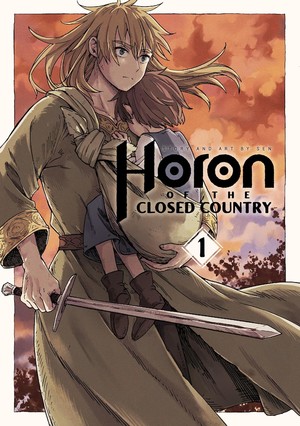
There is a power that hides and protects an ancient land from foreign enemies, but sacrifices must be made. In recent times, the Harbingers of that Deity have been encroaching on humankind and only people with special powers, Quietists, are able to drive them back. An unlikely trio, each of whom has lost something dear to them, find themselves journeying to unravel the secrets of the Deity and the Quietists. Little do they know that what they have lost, the frequent appearance of the Harbingers, and the need for sacrifices are all connected.
Horon of the Closed Country has story and art by Sen. English translation is done by Trish Ledoux Yoshida and lettering by Mercedes McGarry. Published by Manga Mavericks (March 31, 2026).
Is It Worth Reading?
Rebecca Silverman
Rating:
There's an ineffable something about Horon of the Closed Country that reminds me of Somali and the Forest Spirit. It's not just that both are fantasy manga about taking in a mysterious child and traveling around for potentially life-saving reasons; in that respect, they're really only similar on the surface. But the quiet worldbuilding, gentle pace, and occasional danger, as well as a deep-rooted sorrow of both series really speak to the same emotions. They deal with very human situations in a strange world.
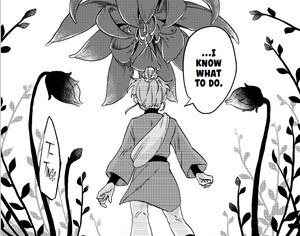
In Horon, that world is one where a certain country is protected by mysterious plants sent by a god. These plants keep invaders out, but in return, they demand a sacrifice. There's no real rhyme or reason to it, but the price is always high. Darshna lost her daughter Amia to one four years ago, Kera lost his arm (and his career as a flautist). And Horon themselves may have lost their memories, although that's by no means a certainty. When Darshna finds Horon passed out on the ground, the child has nothing personal remaining to them: they can read and speak and all that, but they don't know their name or where they were going, much less where they're from. But they do remember that they can send the plants that claim sacrifices away.
The story is doled out slowly. We get a good sense of Darshna's grief and determination to find a way to reclaim her daughter and even a firm grasp of Kera's depths of pain at the fact that his entire livelihood has been taken away from him. The most uncertain character is Horon. They're a cheerful child, yes, but the only thing they truly know is what they can do. They don't know why, or if their memories were a sacrifice. Readers may wonder whether or not Amia and Horon are the same person, although an epilogue chapter seems to indicate that they are not…although Amia's words about being trapped in “the closed country” could just mean that her memories are imprisoned while her body travels on without them. There's a lot of intrigue here, wrapped up in a gentle pace and simple, beautiful art.
The views and opinions expressed in this article are solely those of the author(s) and do not necessarily represent the views of Anime News Network, its employees, owners, or sponsors.
discuss this in the forum (20 posts) |

back to Spring 2026 Manga Guide
Seasonal homepage / archives