

Spring 2026 Manga Guide
OMORI
What's It About?
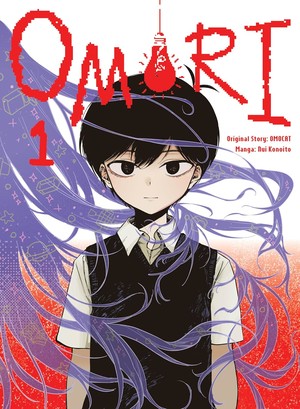
Since the terrible tragedy of four years ago, SUNNY hasn't set foot outside his house. Now, in an attempt to shake him out of his torpor, his family has decided to leave Faraway Town. Three days before the move, Sunny's childhood friend KEL shows up to hang out one last time—but the world outside the young shut-in's door has changed completely, and Sunny's reunion with his old pals goes from bad to worse. Whether by chance or fate, the chain of events that begin to unfold calls up a past they all thought was buried forever...
OMORI has story and art by Nui Konoito. English translation is done by M. Fulcrum and lettering by Thea Willis (digital), Risa Cho (additional for print). Published by Kodansha USA (March 17, 2026). Rated T.
Is It Worth Reading?
Lauren Orsini
Rating:
By now you've no doubt heard of OMORI, the indie psychological horror RPG Maker game that has sold over a million copies. I'm so old that I think of it as the game created by the apparel designer and webcomic artist OMOCAT, while newer fans might be surprised to learn the creator of the bestselling indie game also sells clothes! But long before OMORI found fame, OMOCAT was developing the signature style that gives the game its unique look through a line of T-shirts and jackets. Characterized by its austere, scribbled art and its dual-world gameplay, this heartwrenching story follows a group of friends before and after they experience a tragic loss. Now, the game has even received a manga adaptation. But with a more typical art style and no interactivity, the OMORI manga can't help but feel like it's missing something.
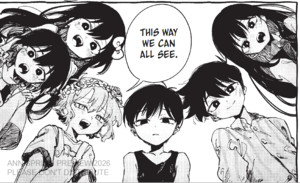
OMORI's player character is Sunny, a nondescript, mute boy who is just emerging from a long self-imposed lockdown. But in Sunny's interior world, his friends call him OMORI. In the game, you alternate between the “real world” Faraway Town and the technicolor dream world Headspace all the while trying to discover the truth of your friend Mari's tragic death, which broke up your once-close friend group. It's like an edgy version of anohana: The Flower We Saw That Day, combining the nostalgia with horror elements and suicidal thoughts. The story feels genuine and deeply personal, but it loses something in its translation from game to manga. Without the game's party-based combat, the play-by-play of the battles depicted feels formulaic instead of original. But more than that, the transition from OMOCAT's colorful fantasy art with its stylized imperfection to this black-and-white, standardized manga look falls flat.
When I am reviewing an iterative work, whether it's an anime based on a light novel, or in this case a manga based on a game, I ask myself “even if it's different, is this interpretation just as enjoyable as the source?” In this case, I'm not wholly convinced it is. The gameplay, with its branching routes and mood-driven combat, offers another dimension to the narrative that text boxes in a pixelated font can't replace. The team-based combat emphasizes the bond between the characters in a way that narration doesn't convey. The alternation between black and white and psychedelia sharpens the contrast between Sunny/OMORI's inner and outer worlds in a way printed manga doesn't deliver. I would recommend this manga to completionist fans of the OMORI franchise, because their existing emotional connection to the content will fill in the blanks. But I wouldn't recommend this as a replacement or an entryway to the rich world of OMORI.
The views and opinions expressed in this article are solely those of the author(s) and do not necessarily represent the views of Anime News Network, its employees, owners, or sponsors.
discuss this in the forum (12 posts) |

back to Spring 2026 Manga Guide
Seasonal homepage / archives