How much of the modern Japanese fantasy genre comes from old computer games? Coop and Lucas find out!
The views and opinions expressed by the participants in this chatlog are not the views of Anime News Network.
Full Disclosure: Coop Bicknell regularly works with MediaOCD and the current incarnation of AnimEigo. His opinions given here are purely his own and do not reflect those of his employers.
Coop
Hey, Lucas. Y'know how we were just talking about Dragon Quest references being dime a dozen in most isekai titles? Well, it turns out that the storied video game series and its notable contemporaries are a bedrock of Japanese fantasy on the whole. And strangely enough, there's a solid chance that the North American anime industry would be looking a lot different these days if Japan never dabbled in a little Wizardry.
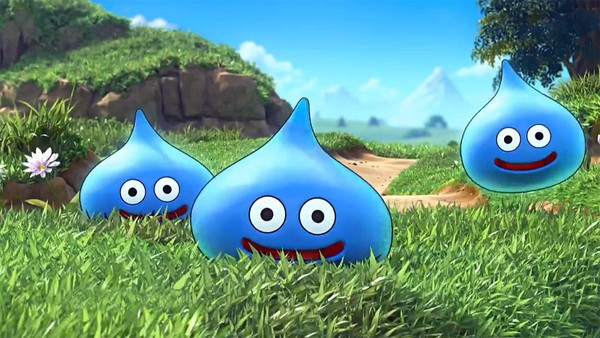
I knew slimes were around, but I never expected them to appear quite like that.
Lucas
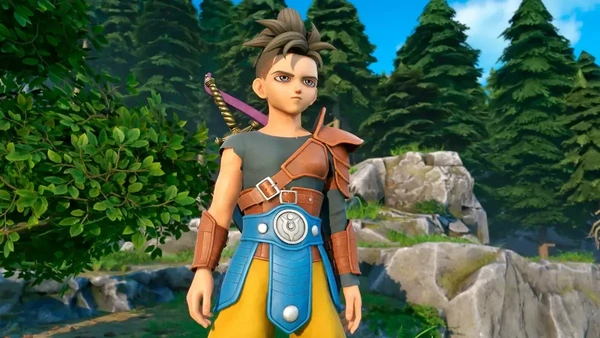
Coop, I can't even believe that the biggest news to come out of last week's Dragon Quest Direct was that the twelfth installment in the foundational franchise will come out... eventually. This is because 1) I immediately love that sleepy boi and the band of scoundrels he's running around with, and 2) Dragon Quest and the games it draws inspiration from are so incredibly foundational to most modern Japanese fantasy stories that I'm getting some flavor of Dragon Quest every time I engage with that genre.
Whether they be slimes, storytelling conventions, or even the visual language of these works, I'd love to chat with you today about how titles like Dragon Quest, Wizardry, and Ultima have been influencing what are now generations of authors and creatives in Japan!
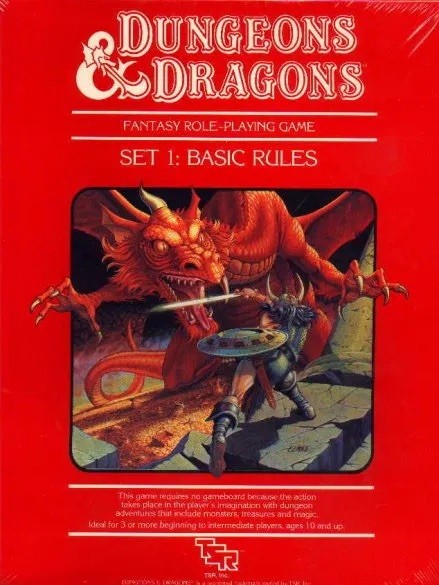
If we're going back that far, we should start with the meat and potatoes behind all these games: Dungeons & Dragons.
While D&D certainly wasn't the only tabletop game on the block back in the mid-to-late 1970s, it most assuredly captured the imaginations of its players. As long as they could imagine it and write down a few details, any would-be dungeon master could craft their own world filled with fascinating characters, cultures, and secrets to be discovered. These concepts eventually crossed-pollinated with the burgeoning game development scene of the time, leading to computer RPGs like Ultima and Wizardry. That's more or less the condensed version of this story, but if you're looking for a more dense and nuanced exploration of the history surrounding this scene through the lens of Ultima, I'd recommend checking out Majuular's extensively researched retrospectives on the series.
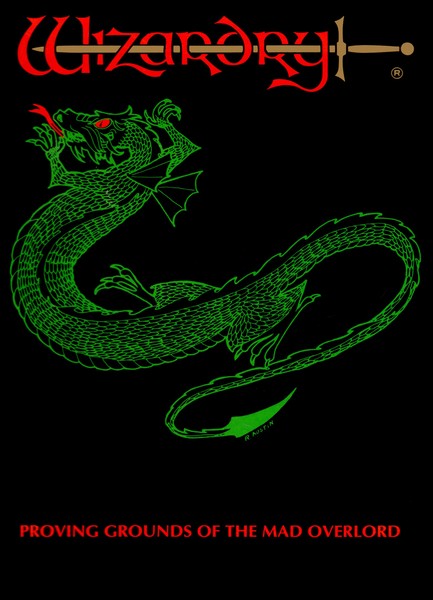
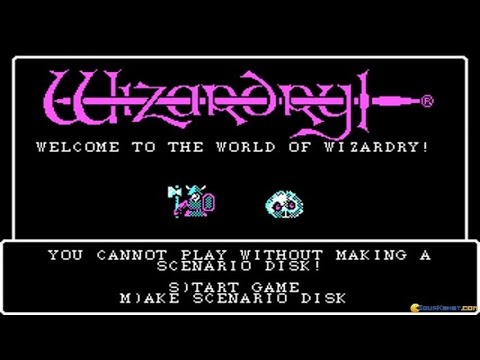
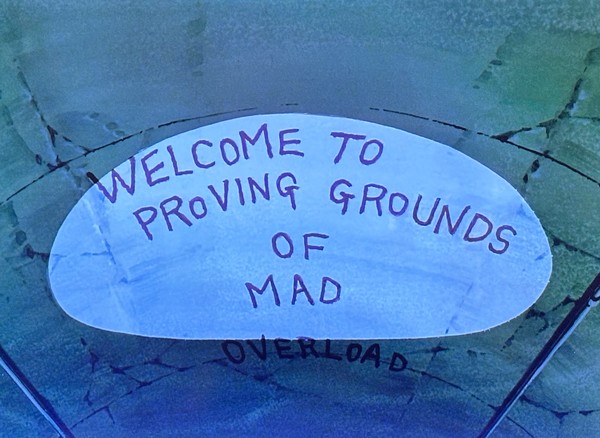
Yeah, it is really hard to understate just how much RPGs as a genre of video game is built on the back of Dungeons & Dragons as well as other pioneering tabletop games. Both Ultima 1: The First Age of Darkness and Wizardry: Proving Grounds of the Mad Overlord were released in 1981, and both draw some pretty overt inspirations from the Tolkien-esque fantasy that informs much of D&D.
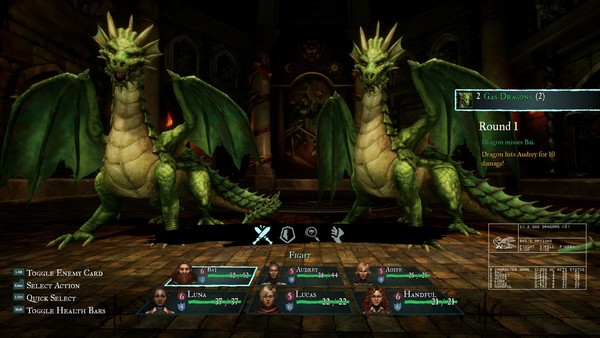
As I know quite a bit more about Wizardry than Ultima, thanks to the very good remake that came out in 2024 (and that everyone who cares about the genealogy of the gaming landscape should play) I can personally say that the combat, exploration, and party building feels like a direct digitial approximation out of those same mechanics in a D&D campaign.
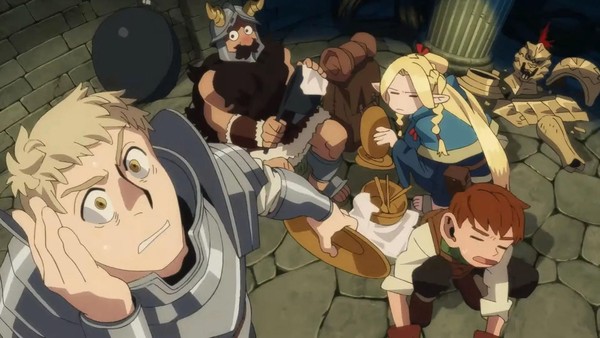
Also, while I don't want to jump ahead too far, this seems like the ideal time to remind folks that the setting and characters in Delicious in Dungeon were all lifted directly out of the Wizardry universe. Seriously, mangaka Ryōko Kui is an admitted huge fan of these games, and everything from the fantasy races to how dungeons work in this universe is informed by these games.
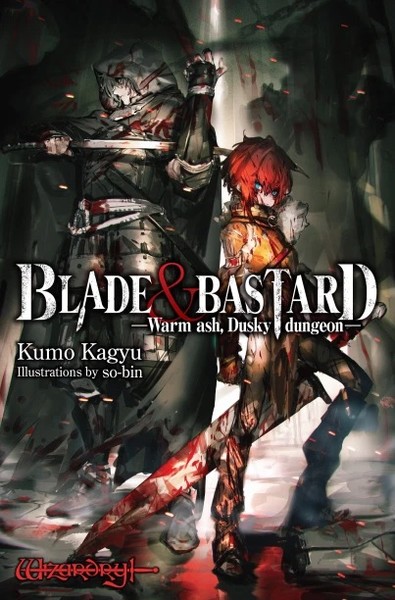
On that note, it's also worth mentioning that Goblin Slayer's Kumo Kagyu has his own series of light novels, Blade & Bastard, which are set in the Wizardry universe.
And as I alluded to earlier, it's safe to say that North America's anime industry owes quite a bit to Wizardry as well. While working on Wizardry IV: The Return of Wernda in the late 80s, Robert Woodhead and Roe Adams III were futzing around with a video board that allowed them to put graphics over video. Adams was apparently a big anime fan and saw the potential uses for this tech, and the popularity of Wizardry in Japan meant that Woodhead was often there on business, so... A little company called AnimEigo popped up. Woodhead writes further about the company's origins in the Secret History of AnimEigo (as does Justin Sevakis in reference to the company's recent history under MediaOCD), but this sudden synthesis of interests and opportunity led to the creation of America's first anime publisher.
Man, in the age of streaming, where I can watch just about any anime that I want to with just a few keystrokes, I forget just how much engineering, effort, and problem-solving went into getting us where we are today. Getting text onto a video back then, without breaking the bank on super proprietary equipment, would have been a HUGE hurdle to clear, and the anime landscape as we know it today literally would not exist if not for Woodhead's efforts and the opportunities Wizardy brought him.
Now, did he have to make those early Wizardry games so incredibly difficult that you had to be nothing short of a hardcore RPG sicko to even clear the first couple of floors of its dungeon? I don't think so, but I can respect the idea that it should be hard for five people to kill an entire dungeon's worth of fantasy spook-a-dooks.
Seems that Mamoru Oshii and the folks behind Patlabor didn't mind those first couple of floors; in fact, they loved them so much that it was kind of a plot point in an episode of the New FilesOVA series.
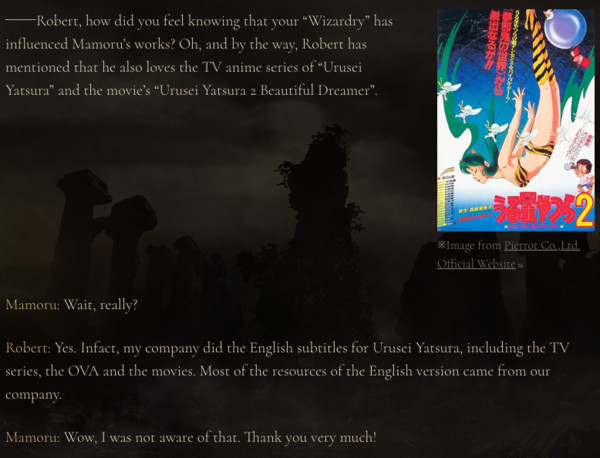
A follow-up on a Patlabor TV series episode, this adventure sees the SV2 gang venturing into a labyrinthian sewer system in search of a man gone mad. Oh, and there was a huge gator running around, too. However, that's not the only time an Oshii-related work took notes from Wizardry. A few years back, Oshii sat down with for a discussion with Woodhead and discussed the influence of the series on his work. The anime nerd in me was especially oooing and aaaahing when the director was seemingly thrown off by this little tidbit.
On that note, it's worth mentioning that I've worked on Urusei Yatsura's recent Blu-ray releases and with the modern AnimEigo. But man, it's both cool and a little surreal to even be tangentially related to these classics through degrees of Wizardry.
These worlds are always a lot smaller than they seem once you start being active in them, and one of the coolest things about working in a creative field is how much of your work is iterating upon the ideas of your predecessors and having a good time with it. Ryōko Kui and Kumo Kagyu are straight-up creating Wizardyfan fiction, and while I haven't read Blade & Bastard, Delicious in Dungeon is an all-timer anime and manga for me. Sometimes greatness comes not from re-inventing the wheel, but by putting your own spin on something that's already working.
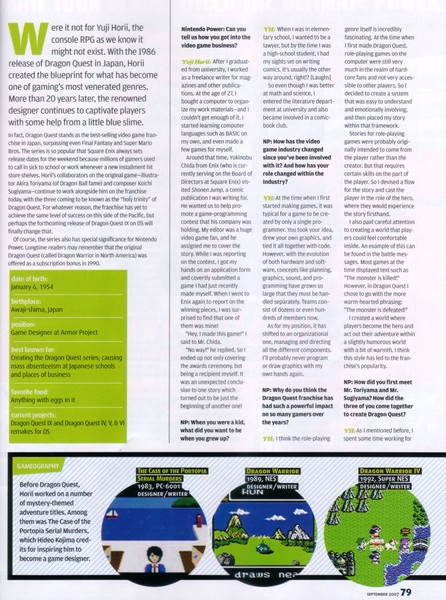
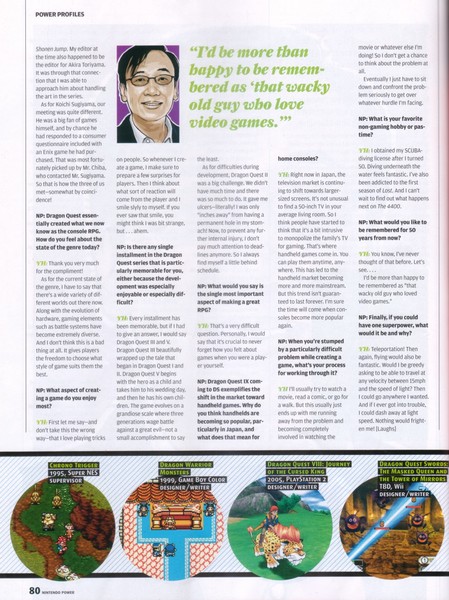
And, to bring it back to Dragon Quest, clearly series creator Yūji Horii understands this as he flat-out acknowledges that Dragon Quest is heavily inspired by both Wizardry and Ultima in a Nintendo Power interview from 2007.
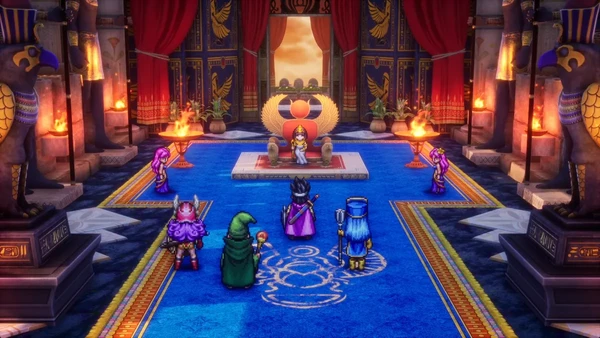
I played Dragon Quest III HD-2D when it launched, and I cannot stress enough how much it feels like a Rosetta Stone for RPGs developed in Japan. Seriously, there are ideas in here that would go on to inform everything from Pokémon to FromSoftware's Soulsborne micro-genre, and playing it felt like as much an educational experience as an entertaining one.
The Dragon Quest series (and Final Fantasy as well) managed to take the pre-established Computer RPG trappings of the mid 80s and refine them for console-owning audiences. Might've been a little shaky at first with Dragon Quest I, but each game kept on refining and innovating on itself. Through that constant growth, it's no wonder that millions of people jumped onto it. There's an old rumor that goes around from time to time: Mainline Dragon Quest games come out on Saturdays to avoid bringing Japanese society to a screeching halt. Who knows just how true that is, but I could be convinced to believe it. But I do know that you can't go a couple of meters in Japan without tripping over a Dragon Quest cartridge. They're just that ubiquitous.
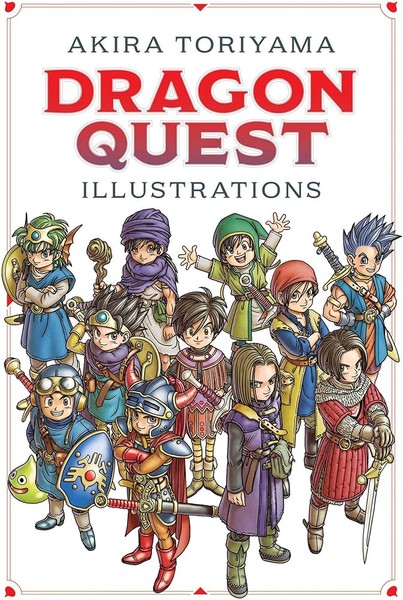
However, there's also the 800-Pound Toriyama in the room we've yet to mention. With a creator that legendary (and profitable) defining the visual style of a series, I can easily see why Dragon Quest lodged itself inside the imaginations of many players. Even before I knew what a Dragon Quest was, anything in Toriyama's style would hit me with the fuzzies—memories of being a grade schooler, watching Dragon Ball, and playing Sly Cooper on my PS2.
Even if we ignore how Toriyama's legacy and influence are forever cemented in global culture thanks to Dragon Ball, the fact that he created Dragon Quest's iconic Slimes alone would be enough to put Toriyama in contention for the best character designer in all of human history.
I mean, look at this little goo-ber! He is perfection given shape!
Our collectively perfect son.
Between the art direction, charming and invigorating writing, and the tension these games manage to generate with their liberal application of RPG mechanics to the tabletop gaming formula as well as other affordances inherent to video games, it's no wonder that basically every iseakai made today takes place in some flavor of a Dragon Quest world and so much shonen storytelling draws from the ideas that Dragon Quest pioneered.
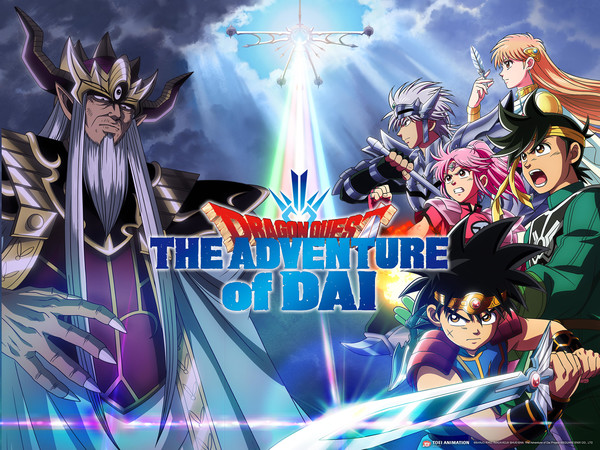
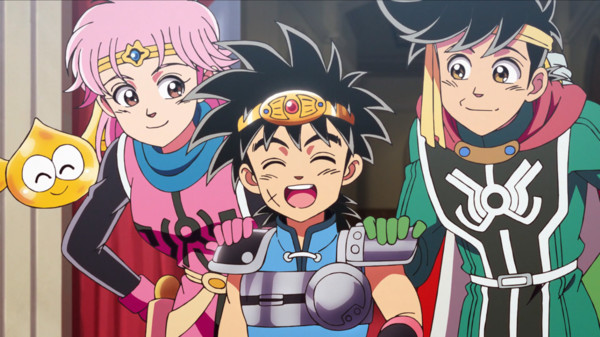
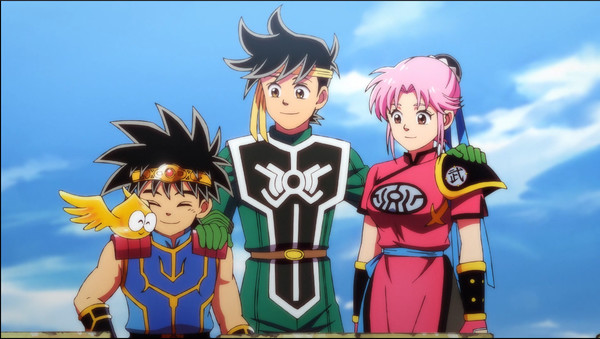
Though DQ's shonen influences are likely more a result of the manga Dragon Quest: Adventure of Dai being a wildly popular Jump title in the late 80s through mid '90s, that never got a fair shake in the US until the recent anime, thanks to Dragon Quest being a relatively niche global franchise until recently.
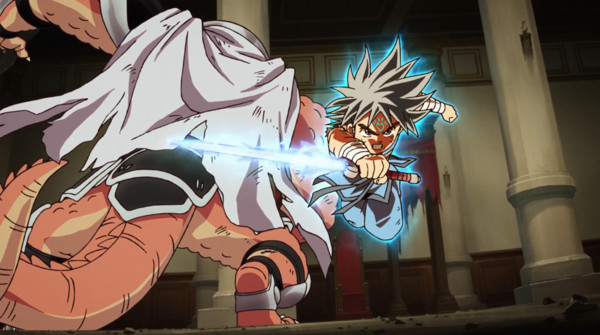
Toei Animation's 2020 take on The Adventure of Dai is classic shonen action perfected—not unlike YuYu Hakusho. It's a simple tale of unlikely heroes coming together to take down a great evil (and his many generals), but it's immaculately paced and gorgeously animated. It's one of those shows that occasionally makes me jealous of just how good the kids have it these days. But seeing as the series aired amid the height of the COVID-19 pandemic, I can't help but be mentally transported back to the dinky apartment I was cooped up in (pun not intended) while watching it.
Despite that, Dai also served as something of a warm blanket to crawl back under—a nice reminder of those aforementioned grade school fuzzies in uncertain times. Given that mindset, it makes sense that so many modern Japanese fantasy and light novel authors return to Dragon Quest time and again in their work. I understand the need to channel those feelings into a work of your own. It might result in a flood of incredibly similar stories, but that emotional intentionality still rings true.
It's easy to see why Dai is a comfort show, regardless of the state of the world when the latest anime came out. It's a classic hero's tale filled with masters sacrificing themselves for their pupils, former enemies becoming trusted allies, and the hero having surprising connections to the evil forces he's striving to defeat. It's a fairly simple text, but it's a super fun take on some of the oldest ideas in myth-making that it can't help but be endearing and inspire others to create stories that put their own spin on these classic building blocks.
Even outside of how Dragon Quest set the standard for what a Japanese take on explicitly Western fantasy stories should look and feel like, it crystallized what are now a lot of ubiquitous narrative ideas and I think works like Fairy Tail, Hunter x Hunter, and even the Nier series of video games don't exist if Dragon Quest doesn't give them a foundation to build off of.
Of course, there's more than a little D&D blood pumping about with titles like The Slayers and Record of Lodoss War, but I'm not sure if it holds the same Japanese cultural cache that Dragon Quest does. I will say Lodoss War might've kicked off the actual play craze before anyone knew what a "Critical Role" was or who those "Friends at the Table" were. In 1986, the series started as published transcripts of a tabletop campaign before morphing into so much more—including that little OVA folks can't help but drool over.
But just as you said, Lucas, the Japanese fantasy we know, love, and sometimes loathe wouldn't be here today if it weren't for the dungeons, dragons, mad overlords, avatars, and slimes that inspired it to begin with. And I'll be more than happy to raise a mug of grog to them!
How much of the modern Japanese fantasy genre comes from old computer games? Coop and Lucas find out!― How much of the modern Japanese fantasy genre comes from old computer games? Coop and Lucas find out! The views and opinions expressed by the participants in this chatlog are not the views of Anime News Network. Full Disclosure: Coop Bicknell regularly works with MediaOCD and the current incarnati...
Tiara has very little agency in her own story. Things happen to her and one of the men in her life step in to rescue her. She is the damsel in distress rather than the hero.― We've hit the point where, each cour, we get at least one or two villainess anime. However, most of those are either comedy or drama-based or a mixture of both. The vilainess character either tries to change their fate or plays...
How did the winners of the Silver Prize in Kadokawa's Global Manga Contest come up with their wordless stories? We sat down with masterlynx and REKU to find out.― For many manga fans, the dream of publishing in Japan feels like just that - a dream. This is doubly true if you don't read, write, or speak Japanese, and while there's absolutely nothing wrong with publishing in another country or an onli...
What's the deal with all that filler in One Piece - and why add a definite article to the title for the reboot? Jerome has answers.― Sleepless in Shibuya asks: Why wasn't Toei asked to produce the brand new 'The One Piece' anime for Netflix? And what's with sticking 'The' at the front of everything? Was Toei jilted? Kind of. But also, not in the way some people may think. In researching this topic,...
Josh finally gets the chance to sit down with Neverness to Everness!― Hello there, and welcome once more to the latest edition of the column, as well as to the month of June! I managed to line up some time off over the last few days to get some ducks in order and solve some device issues, and was finally able to spend a bit of time with Neverness to Everness. And without further ado, let's get into ...
To Your Eternity's Kiyoko Sayama directs anime at J.C. Staff― NHK announced on Monday that Nao Iwamoto's Marronnier Ōkoku no Shichinin no Kishi (The Seven Knights of the Marronnier Kingdom) manga is getting a television anime series that will debut on NHK Educational in October. NHK has also released a teaser video for the anime on the anime's website, but it does not contain any animation. Kiyoko S...
Reborn into a game world with no understanding of the rules, Melody Wave becomes the perfect maid and whips the game into tiptop shape while making the perfect cup of tea.― One must begin this series with a pure heart, willing to accept anything. And should one attain that state before beginning, Heroine? Saint? No, I'm an All-Works Maid (And Proud of It!) will reward the reader time and time again....
29 characters in 9 teams to appear, including ones who were not in TV anime― The "Paradox Live Dope Show 2026" event announced this weekend that the Paradox Live The Animation series will have an upcoming film project. According to the teaser above, Studio GRAPH77 (Tatsuki Fujimoto 17-26's "Shikaku") is producing the film project. Nine teams with 29 characters will appear, including the characters w...
Ghost Dating Simulation is, in all fairness, kind of schlocky. But it's also compulsively readable and tries to use its genre to its advantage.― At first, this sounds like a story we've all seen a thousand times before: a disillusioned young man tries his hand at being a gaming streamer, ends up getting pulled into a game, and is immediately surrounded by a bevy of lovely ladies. I went into Ghost D...
After Dorohedoro and Iruma-kun, it's One Piece's turn to keep Witch Hat Atelier just shy of first place. Meanwhile in the cumulative, Nippon Sangoku overtakes Akane-banashi by a hair's breadth!― Let's have a look at what ANN readers consider the best (and worst) of the season,
based on the polls you can find in our Daily Streaming Reviews
and on the Your Score page with the latest simulcasts. Keep ...
Satoru Hiura debuted manga in 2004― Entertainment news website Deadline reported on Friday that Unapologetic Projects is working on a U.S. live-action series adaptation of Satoru Hiura's Hotaru's Way (Hotaru no Hikari - It's Only Little Light in My Life) manga. Deadline wrote a summary: Hotaru is a polished executive assistant who spends her days in red bottoms and blazers and her nights in dirty sw...
While I enjoyed my time spent at Hotel Inhumans, it undoubtedly has room for improvement going forward.― Despite my initial disappointment in discovering that Hotel Inhumans was not, in fact, all about a gang of creepy monster-folks all living together under one roof, I was immediately intrigued with what the show is actually about, which is a series of episodic stories all dealing with various kill...


 @RiderStrike
 @BWProwl
 @LucasDeRuyter
 @vestenet