With recent trends suggesting that the isekai anime bubble might soon burst, Coop and Lucas dive into why this may be and what this could mean for the anime industry in general.
The views and opinions expressed by the participants in this chatlog are not the views of Anime News Network.
Lucas
Coop, the thing I appreciate the most about being a professional anime boi is that we get to analyze and comment on various industry trends that make up this ever-changing landscape. While those of us on the TWIA crew are quick to share our heated opinions on the omnipresent isekai genre, we should take a look at how things started and how things are going for the trend and the companies cashing in on it.
In its new mid-term management plan, Kadokawa addresses recent financial losses driven by the company's "bias towards proven genres."
Oh! It's goin' bad, Coop! Which means today we get to talk about what might be the beginning of the end of the biggest trend the medium has seen in a minute, as well as what entertainment companies are teeing up to replace this juggernaut.
Coop
That bubble's finally deflating, eh? Despite my rather strong opinions on these works as a viewer, my thoughts as a professional on the light novel localization end of things are complicated, Lucas.
For another take on this story, I'd recommend listening to last week's ANN Aftershow. Throughout the course of Lynzee and James's conversation, there was one factoid that remained lodged in my brain: Kadokawa and other companies might've seen major drops in their profits, but they're still making money hand over fist. They're just not making ALL the money now.
Yes! This financial reporting is by no means an extinction-level event for any of the companies involved and, as we'll discuss later in this column, many of them have seemingly been bracing for this trend to run out of gas and exploring what could potentially replace it. This is still pretty big news, though, considering there are 30+ new isekai anime released every year.
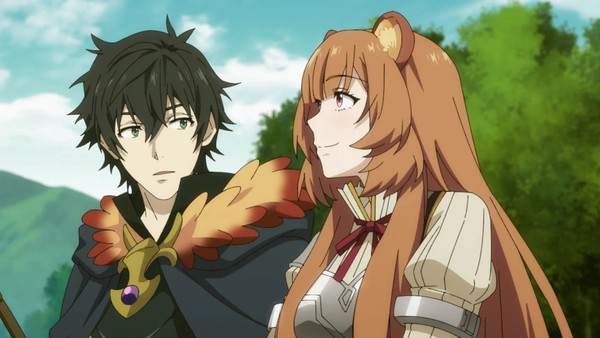
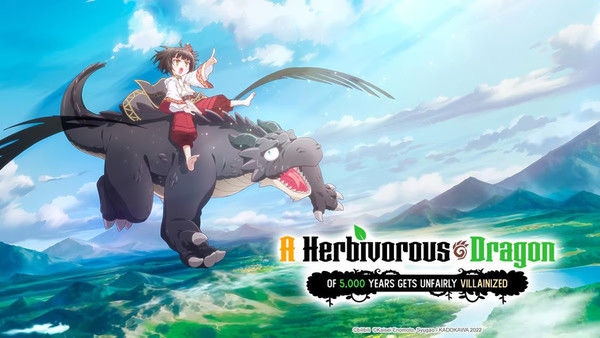
Before we start talking about where the industry's going, though, we should highlight how we got here! Many of the isekai, manga, and light novels that folks can engage with today were originally self-published web novels on the website Narou. Seriously, everything from The Rising of The Shield Hero to A Herbivorous Dragon of 5,000 Years Gets Unfairly Villainized was first self-published on this platform.
Considering that Kadokawa is a publishing company at its core, it makes sense that they, and similar companies, would try to get the most they could out of this seemingly infinite content mine.
And as pointed out by White Box Entertainment's Miles Atherton in his 2025 data-driven look into the genre's dominance, adaptations of these works tend to be low-cost, high-return productions. This ensures that the companies have a solid baseline of money coming in, which hopefully can be tossed toward other projects. For example, I'd imagine that Shield Hero's animation studio, Kinema Citrus, has probably reinvested the money they made from that series into the upcoming Goodbye, Lara.
Well, if the studio has a contract situation or is on the production committee, that is. Given the current "guns for hire" ethos behind many animation studios these days, any guarantee of the sort isn't a sure thing. Not to mention the countless animators and staffers on the ground burning themselves out to meet that overwhelming demand—a churn that threatens the industry's longevity as well. For a little more insight on the human part of this equation, I'd recommend checking out my interview with Animator Supporters from last year. Again, these works might be a cheap money maker, but that's not the case if there's no one around to work on them for a living wage.
Yeah, one of the big concerns hanging over isekai and its role in ballooning the number of anime productions coming out of Japan every year has been how sustainably and ethically those were produced. While there are thankfully reasons to be optimistic about the working conditions in Japanese animation, it's going to be a long time before this terrible (and deserved) reputation fades.
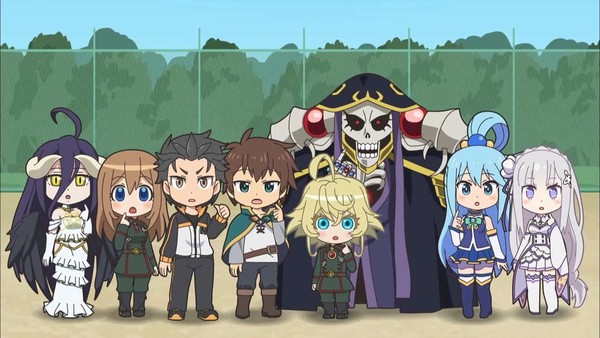
I also cannot stress enough that, in many ways, this is how the studio system is supposed to work. It's far healthier for these companies to place several small and medium-sized bets every year, with the hope that enough of them are big enough hits to cover the losses on the ones that fizzled out. Labor practices aside, doing things this way ensures that there's a wealth of employment opportunities in a field and results in companies having a deeper well of IP to draw from. Hell, Kadokawa has so many isekai under their banner that they were able to create an entire, multi-season show that's one big crossover/commercial for some of their most profitable titles.
By comparison, wide swaths of Hollywood right now are trying to make every movie they put out a blockbuster or show a Game of Thrones level event, and that's resulted in way fewer work opportunities, the infrastructure of the industry receding, and the loss of cultural impact exchange for an amount of money that's comperable to the more sustainable business model.
What's going on in Hollywood at the moment is visibly evident, but that's not the case with anime. To reference Miles's findings again, most studios are booked for the foreseeable future. Unless there's an immediate seismic shift, it's going to be a few years at the very least before there's a noticeable shift away from light novel adaptations. The situation could very well flip back the other way. It's hard to say because the audience for these works often refrains from engaging with the wider anime community.
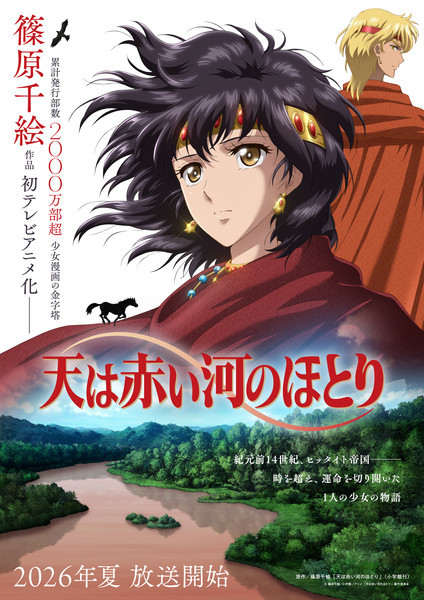
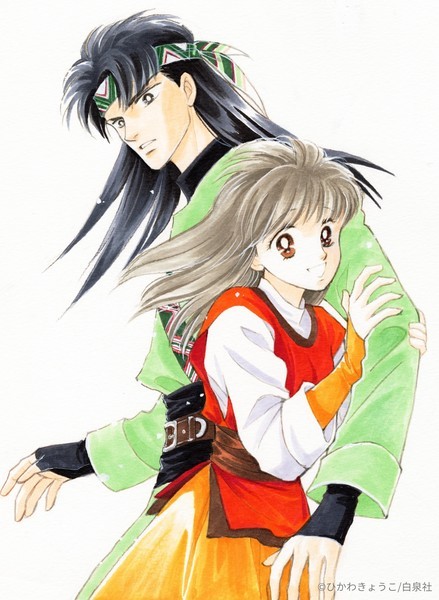
But regardless of the potentially slow shift away from light novel adaptations, I have a feeling that any pre-Narou material will likely be insulated from any rough weather. Shoujo titles like Red River, From Far Away, and Magic Knight Rayearth generally appeal to a wider demographic of viewers, especially when compared to the overwhelmingly male audience of the current isekai crop. Additionally, these are all pre-established properties, so there's already a bit of staying power behind these titles. The best comparison to a Red River would be david production's adaptation of JoJo's. They're both titles with a strong cult following that got the TV anime treatment many years after their initial publications. And finally, shoujo is a rather mature slice of the literature pie these days—filled with decades of history that Narou works simply don't have yet.
After all, Narou as we know it today had only really started to properly materialize in the early 2010s. The same goes for the site's contemporaries. A few years back, Kim Morrissy penned a rock-solid exploration into the origins of isekai and narou-type titles through the lens of Mushoku Tensei's popularity. Specifically, she dove into how the title calcified much of the genre's trappings.
Absolutely. At the risk of making people act up in the comments, I'd also like to note that this receding tide is set to lower the ships of anime that are offshoots of isekai, like LitRPGs, VRMMORPG stories, and "reincarnation" stories. I like playing around in pedantry as much as the next nerd entertainment writer by sorting works into super-specific categories, but these financial reports suggest to me that the industry is running out of whales who are down to throw a bunch of money at whatever seasonal male power fantasy catches their interest.
And again, these numbers going down doesn't mean that the anime industry is necessarily in trouble, but it does mean that isekai are no longer cash cows and that we'll see less of them in the coming years. Regardless of my personal feelings on the genre, the almighty dollar~~ yen is the ultimate driver of these decisions, and if isekai isn't bringing in the big bucks anymore, production companies will find something new that will!
Since you mentioned pedantry, I'm really not a fan of all these specific genre cutouts. Be they designated a "LitRPG", "VRMMORPG", or a standard "Isekai", these stories tend to emerge from the same pot of influences. Stats? Conditions? Dragon Quest references? They almost always deal in these trappings, often like a game of madlibs. As someone who's professionally edited and proofread their fair share of these titles, these distinctions rarely mean anything tangible.
But on the topic of "what are next?!", there's already a strong argument for remakes and new adaptations of older material. Ranma 1/2, Urusei Yatsura, and The Ghost in the Shell are a few good examples of this thought process in action. However, I think the teams behind these works should tread lightly, because Western audiences are thoroughly nostalgia poisoned...and I bet it'll be the same for international audiences too. For instance, I only know like one person who went to see that new Star Wars flick, and the press seems deeply bored by it. I wouldn't say it's a stretch to say that many hits have already been regurgitated to an exhausting degree.
I understand your point. Even if a part of me thinks that anime audiences have tastes that skew away from mainstream audiences, I think the pitch on remakes of classic series is too tempting for the teams looking to make safe bets. A big part of the appeal of adapting Narou stories is that the big ones have some kind of baked-in audience that will show up for an anime adaptation, and the same is true of these kinds of legacy anime IP.
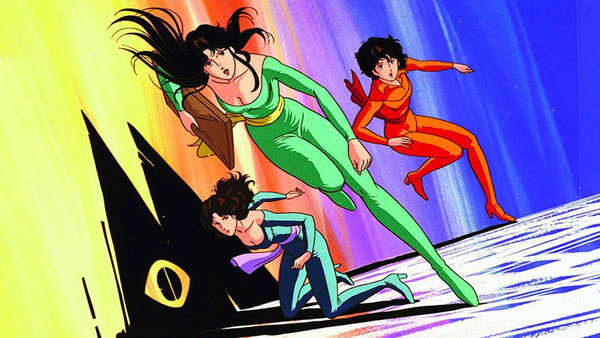
Case in point, even if the remake of the Cats Eye anime was by no means the biggest hit of 2025, it almost assuredly overperformed thanks to all of the articles and social media posts highlighting this novel release and the history of the franchise. Again, not everything a studio puts out needs to be a hit, but if there's reason to believe a kind of work will do even a bit better than another kind of work, they're going to go with the safer bet.
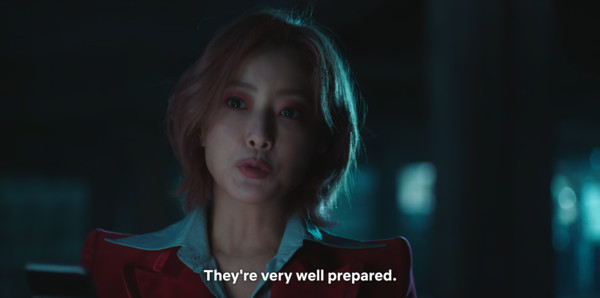
There's also talk of webtoon adaptations sliding right into the isekai seat, but I feel that those works are already seated firmly in the world of live-action drama. Within the pre-established K-Drama machinery, these adaptations are penned, shot, and edited rather quickly—much faster than the multiple years it can take a single anime production to hit the small screen. Perhaps there's there room for further experimentation in animation, but why spin up another bet when you've already got one that's working just fine?
If you're interested in learning more about these live-action adaptations and who this certified baddie™ is, Sylvia and I ate our way through a Webtoon K-Drama buffet a while back.
Oh god, we could dedicate an entire column to how webtoon anime adaptations are turning out to be a largely flash-in-the-pan phenomenon. With many of the first Webtoon anime saddled to the now-defunct Crunchyroll Originals branding, subsequent offerings have proved as mixed as the initial ones. Tower of God had its moment before it apparently fell off in the second season, but God of High School and Noblesse never made much of a splash. While Solo Leveling might be an exception to this, so much of the series' presence in the anime landscape today feels like an astroturfing effort born of Sony's growing monopoly over the global anime distribution market. While I'm fully prepared to eat crow for this Solo Leveling comment, let's see how that upcoming movie performs at the box office before we label the series a smash hit.
Though this combo of webcomics losing their luster as anime adaptation material and, to your point, the sheer amount of time that goes into making an anime is probably why The Beginning After The End anime (which is also an isekai!) looks as...let's say amateurish, as it does.
Doesn't help that the acronym on that one is "TBATE". Though who knows? Could be a big hit on OceanVeil with a name like that.
Please Coop. OceanVeil is where I go for hentai dubs and corn memes! Please don't sully this holy ground with anime too far behind the latest trend to even be cash cows anymore!
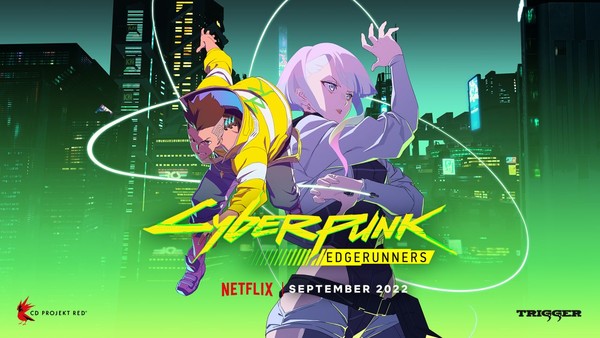
If I needed to make some money fast, I'd bet on the next big trend in anime being adaptations of popular Western IP (that are likely also popular in Japan). With titles like Cyberpunk: Edgerunners and Batman Ninja laying the groundwork, coupled with the fact that Sony spent a mint to gain control of the Peanuts IP, this seems like a trend being built up before us in real time.
I'd say so as well, but it also depends on how exhausted audiences are of Western IP, as this ties back into the whole pre-established properties issue. While it could lead to some heavy hitters and safe bets, going toward these properties could also be akin to swapping out one content hose for another. And then we'll be having this conversation again once that hose is out of content. I'm not sure; it just feels like a sidestep rather than a step forward.
However, my biggest concern with an isekai deflation is how that would loop back around to the original works themselves—the localizations of said works in particular. The viewership and readership of these titles probably isn't a 1:1, but I'd bet there's just enough crossover between the audiences to make a few projections here and there. If there are diminishing returns on sale for these books, we're looking down the barrel of a contraction on the labor side. Say a publisher becomes more choosy with the works they're planning to localize. Now, while that's probably great for readers since they're likely getting the cream of the crop, that means less work to go around for the translators, editors, and folks on the ground who make these localizations happen. Given the localization industry's own alleged issues with pay and the like, it becomes another potential wrinkle for professionals trying to line up enough jobs to make ends meet. And I swear, if some ignoramus pops in with "AI will just take care of it all," they simply do not know what the hell they are talking about. Getting more choosy might be the best choice for all involved, but I'm not sure what can be done to keep contraction from kicking a whole generation of localization talent out of the business. It hurts because I'm right in the trenches alongside these folks.
I feel you, even as I technically stand to benefit professionally if adaptations of Western IP become more common as an American PR rep at an international agency. Furthermore, the isekai well drying up would mean that the original authors wouldn't be cashing checks from the anime adaptations or global sales of their books anymore, and there are sure to be long-term ramifications to that creative talent pipeline getting damaged.
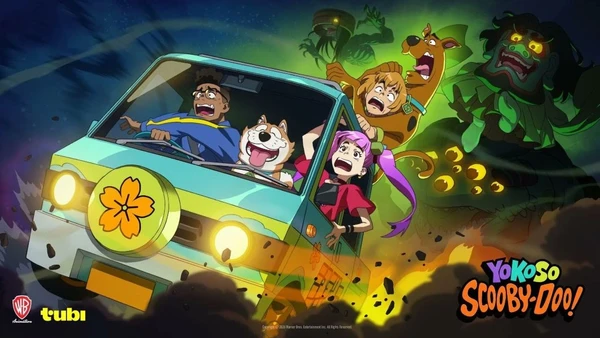
But change is the only constant in the world, I'm hopeful we'll all find ways to carry on as releases like Yokoso Scooby-Doo! become more common! (I wish I had something more comforting to offer translators and editors in the face of these industry shifts, but I'm afraid my enthusiasm for any things Scooby-Doo is the best I can do right now)
That's true, and the best any of us can do, whether we are localization professionals, PR reps, animators, or authors, is to roll with the punches as they come. It'll be interesting to keep an eye on how these light novel adaptations eventually morph to fit the market. From downplaying traditional isekai elements (like in Fated Magical Princess) or breaking past the point of parody, there are options, but again, it'll be a good while before viewers see any of that.
And in the meantime, we get to speculate about the when, what, and how of how this will all shake out, while praising the more artful work that breaks these trends or elevates from within them. This might just be me making lemonade out of lemons, but that sounds like a fun time to me!
Creamy Mami: Forever Once More gives you enough to understand the new material and is a successful coda.― If you want to watch Studio Pierrot's original magical girl TV series, you are, as of this writing, largely out of luck. While the series received a crowdfunded DVD release back in the days of Anime Sols and was later streamed on RetroCrush, the DVDs are out of print, and RetroCrush no longer st...
With recent trends suggesting that the isekai anime bubble might soon burst, Coop and Lucas dive into why this may be and what this could mean for the anime industry in general.― With recent trends suggesting that the isekai anime bubble might soon burst, Coop and Lucas dive into why this may be and what this could mean for the anime industry in general. The views and opinions expressed by the part...
Welcome to Demon School, Iruma-kun rockets into #1 this week, also climbing 6 spots in the cumulative! Find out how your favorite shows performed in our weekly user rankings.― Let's have a look at what ANN readers consider the best (and worst) of the season,
based on the polls you can find in our Daily Streaming Reviews
and on the Your Score page with the latest simulcasts. Keep in mind that these ...
When it comes down to it, the main theme of this anime is the power of love.― With the back half of Tojima Wants to Be A Kamen Rider, the plot solidifies into one interconnected arc. Bat Man is taking a stab at world domination through the Japanese idol industry. Rather than turning only the strongest into Combatmen, Bat Man has turned every possible Japanese idol into one—and that's only step one o...
This has certainly been the lowest point of this creative endeavor.― I knew it was only a matter of time before the series reached this point. Given the unorthodox nature of these episodic releases and the impressive awkwardness of the original Black Organization episodes, I had a feeling TMS would run into this particular problem. It's impressive that it took this long for this issue to surface. Th...
Star Detective Precure! episode featuring Conan airs on May 31, Detective Conan episode featuring Cure Answer airs on June 6― The websites for the Detective Conan and Star Detective Precure! anime announced on Sunday the two anime will each have a crossover episode in the coming weeks. The 18th episode of Star Detective Precure!, titled "Meitantei no Assemble" (Great Detectives Assemble), will featu...
The greatest (and saddest) irony of Kunon the Sorcerer Can See is that the show itself just isn't very pleasant to look at.― The greatest (and saddest) irony of Kunon the Sorcerer Can See is that the show itself just isn't very pleasant to look at. While far from an artistic disaster, it is not hard to see the consequences of the obviously limited resources and time that the crew at Platinum Vision ...


 @RiderStrike
 @BWProwl
 @LucasDeRuyter
 @vestenet