It's becoming more common for girls to be the protagonists of shounen manga. Sylvia and Chris discuss why that's a good thing.
Disclaimer:The views and opinions expressed by the participants in this chatlog are not the views of Anime News Network. Spoiler Warning for discussion of the series ahead.
Chris
Sylvia, I know we still get new controversies out of the world of weekly shonen manga regularly these days. But it's nice to be reminded now and then that we've come far in other areas.
I mean, shonen series still aren't famous for treating their female characters well, but just looking at the slate today makes things seem a bit more respectful than what Ken Ogino describes in that article there.
Sylvia
We've certainly come a long way, Chris. But perhaps the more pertinent question is, where did we begin? Which, now that I bring it up, is WAY too big a question for our conversational column to adequately answer. But on the other hand, I know a couple of things about shonen and a few more things about gender, so I'm sure we can hash this whole super uncontroversial thing out lickety split.
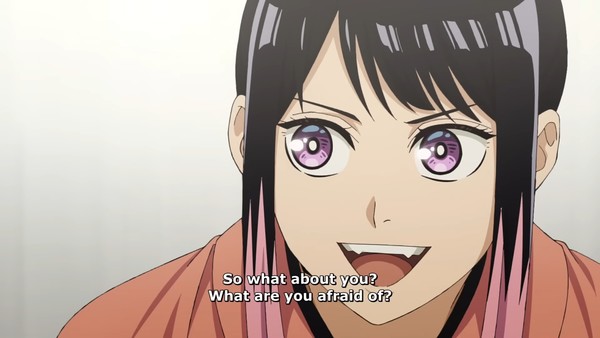
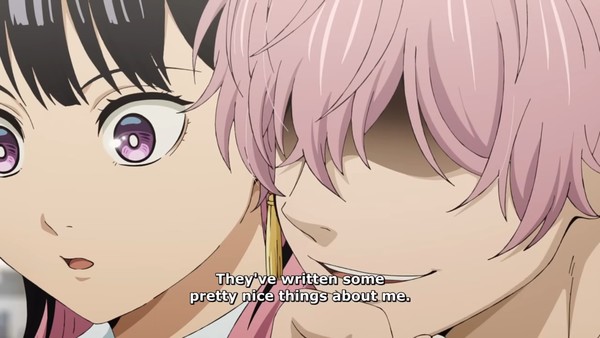
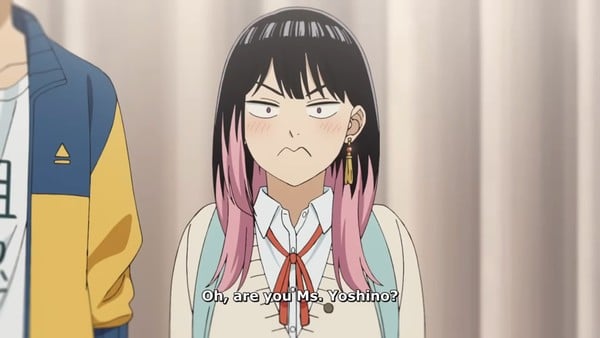
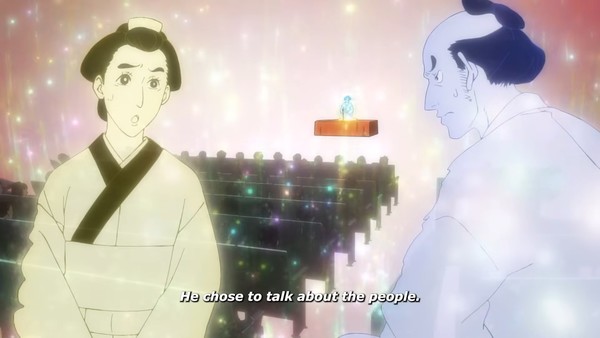
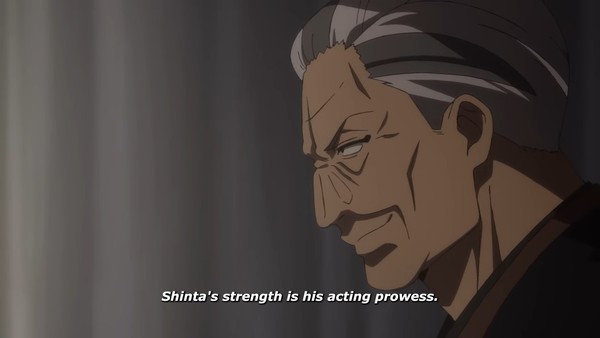
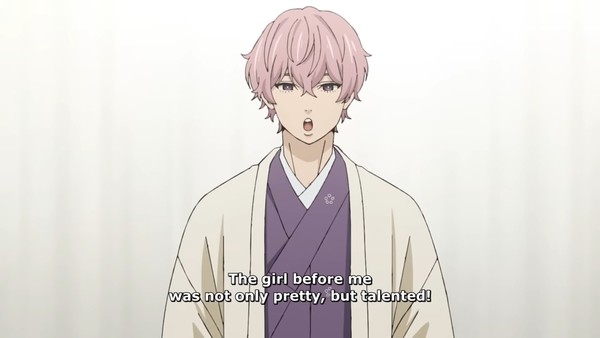
More seriously serious subjects aside, Ogino's reflections on bygone Jump editorial standards are timely to this season anyway, what with the running of the anime adaptation of Akane-banashi: a Shonen Jump series with a female lead who isn't beholden to focal fanservice!
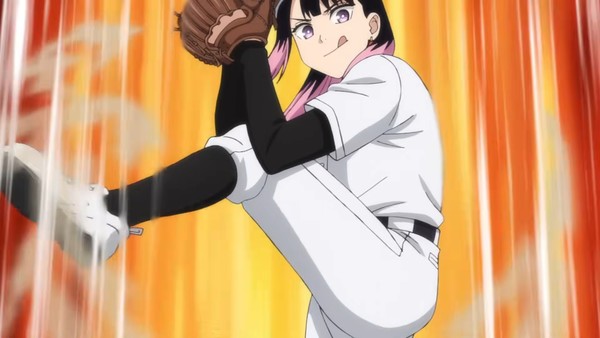
Really! And it's funny, a drama about rakugo starring a heroine hardly sounds like stereotypical shonen fare, let alone a series running in WSJ. Yet in practice, Akane-banashi invokes and executes many of the genre's staple tropes: familial legacy, training arcs, larger-than-life characters, an indomitably plucky protagonist, and so on. It's just executing all those things with a female protagonist the same way you'd do them with a male protagonist, and that in itself ends up feeling radical. When, in a Perfect World, it really shouldn't! It should be normal!
The very first episode showed off rakugo powers with characters commenting on it like bystanders in a standard shonen battle. It really is a cool transplant of unconventional subject matter onto the familiar structure.
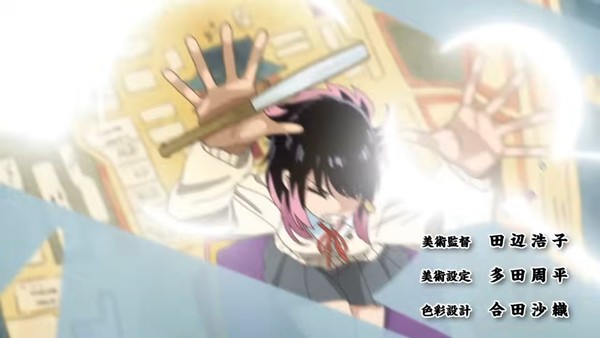
With this in mind, Akane's striving to be the very best, like no one ever was (at rakugo), actually lets her fit the underdog lead endemic to shonen on account of her gender! IE, rakugo isn't known for being egalitarian. The anime's intro straight-up shows Akane running into a glass ceiling!
Garth Marenghi would be proud. And certainly, Akane being a woman does very much play into her arc. She has been taking lessons for years in secret, and she's not warmly welcomed by all of her peers. The subtext (sorry, Garth) is that she's shattering norms in an art form that embraces tradition, so the old guard pushes back. However, as Akane also explains, rakugo has a timelessness rooted in the human dramas of its stories, and no one gender holds a monopoly on being a person. No matter what you might hear out there.
But I also wouldn't say Akane's gender is at the forefront of Akane-banashi's concerns, at least in its early phases.
Nor would it have to be. Part of the point, I think, in leading ladies in shonen becoming more unconditionally present since Ogino's 2015 anecdote is an understanding that the readership can relate to characters regardless of gender. Akane-banashi isn't the only Jump series running with an everyday girl as a lead, after all.
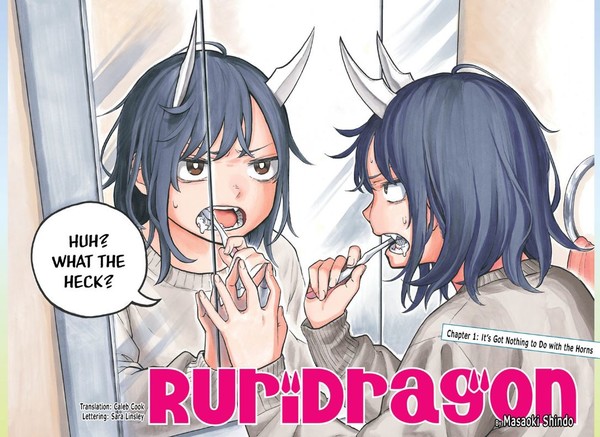
Lots of girls are dragons. It's normal. Trust me.
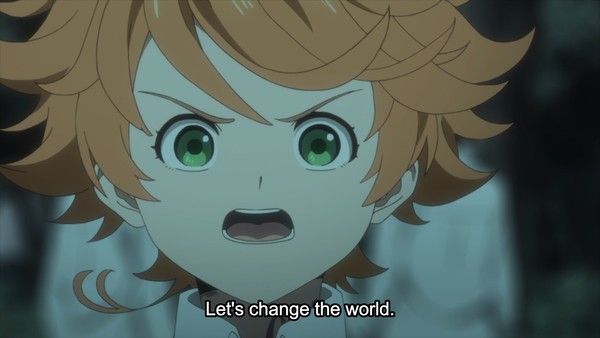
And yeah! Akane has a lot of fine company in Jump and beyond, even if they're not quite what I'd consider normal. Emma in The Promised Neverland is a smart cookie who uses those smarts to fight the power (and a lot of other things).
But Dan Da Dan is also a "good" example of the other ways in which shonen series often treat their women characters.
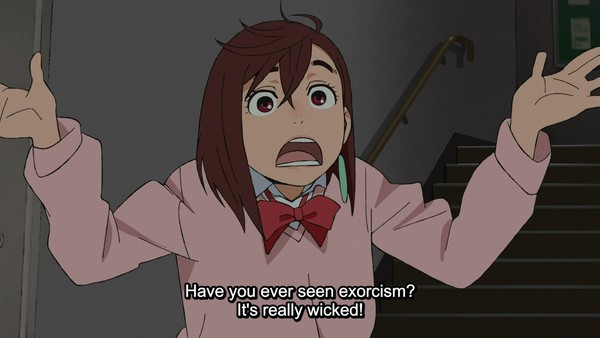
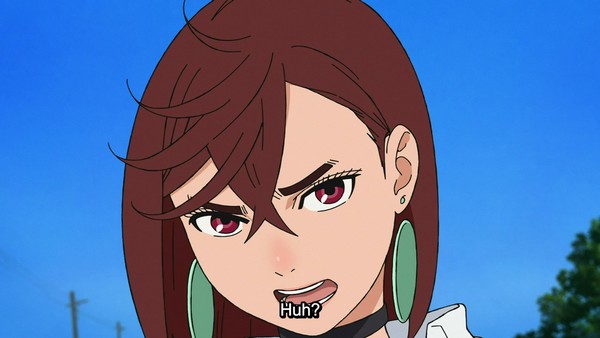
It was probably the point of parallel gyaru, but Momo was absolutely the first example that came to mind while observing Akane and mulling over this subject.
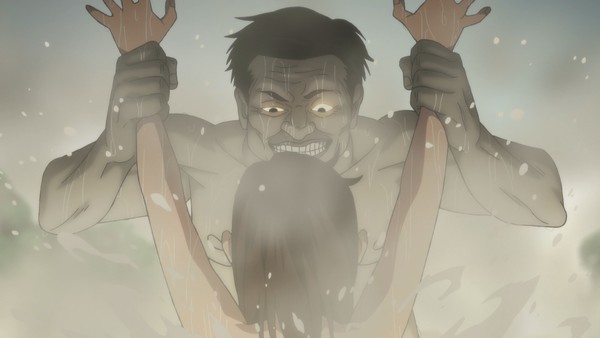
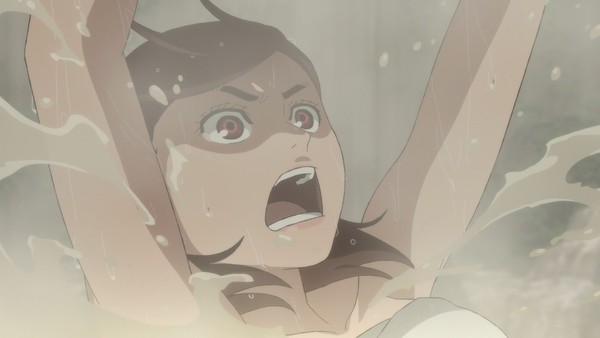
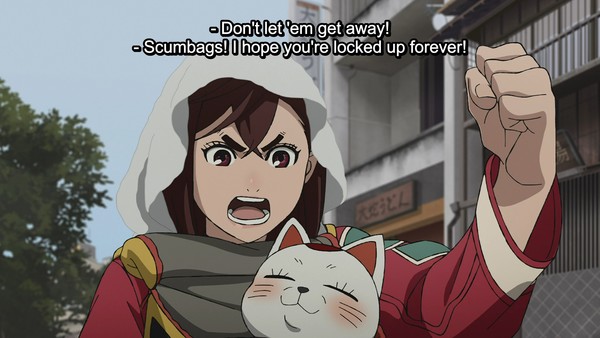
Because while everyone does in fact know that she's the real protagonist of Dan Da Dan, the other thing everyone knows about the series is that it seemingly can't stop threatening her with sexual violence. Real clown hours to everyone who told folks that the bit with the aliens in the first episode was the only time this ever happened in the series.
And double-time clown hours to the anime adaptation that used this threat as a cliffhanger at the end of the first season. Going full exploitation film-mode for no good reason.
Momo is a great character, too! I love her. She kicks ass. She dresses incredibly. Her puppy love affair with Okarun is adorable. While I can kind of understand these skeevy scenes as a consequence of the series' roots in occult fiction and B-movies, which have historically shunned good taste, I also cannot digest them separated from their wider context in the shonen sphere. Especially in light of Ogino's comments. Did editors pressure Yukinobu Tatsu to reel readers in with "eroticism"? Did Tatsu include it of his own volition? And at the end of the day, does the reason even matter? The result is the same either way.
It's exploitative in a way that can easily turn off or drive away those broader audiences that Jump series like Dan Da Dan so effectively bring in. It's also not the only Jump series to do this sort of thing at the outset with an ostensibly cool female lead. Undead Unluck's Fuuko famously gets similarly harangued in her own beginning.
I do want to clarify that I'm not trying to prescribe that only certain kinds of stories can be told or that there's a Correct Feminist way to write happenings around female leads. It's just that, like you pointed out, in the context of those editorial comments, it's easy to raise eyebrows at the patterns.
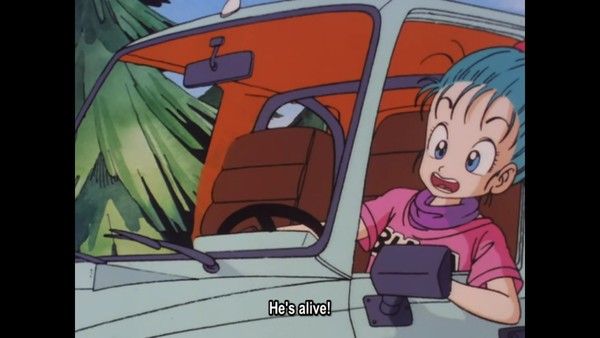
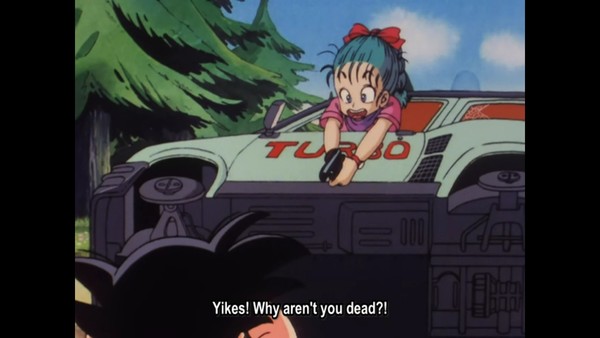
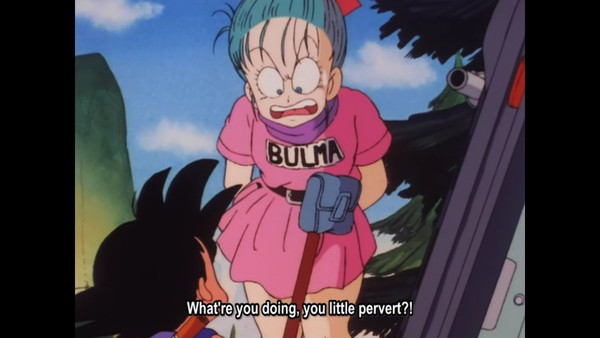
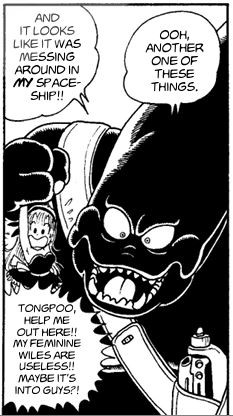
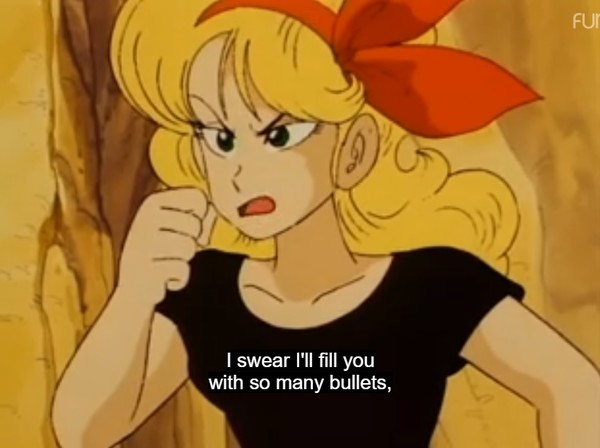
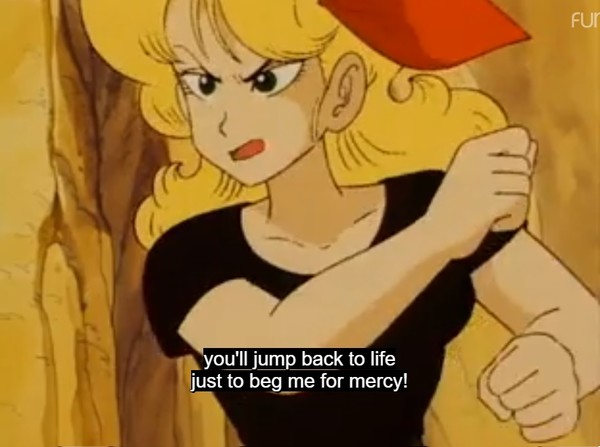
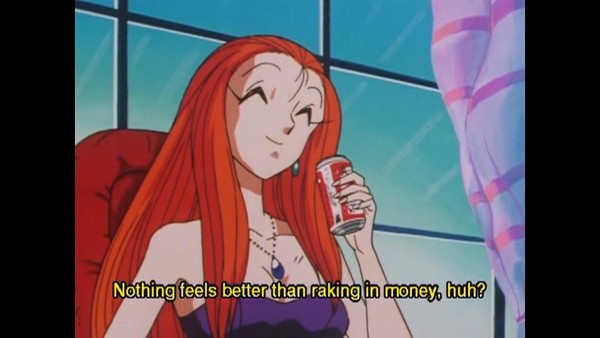
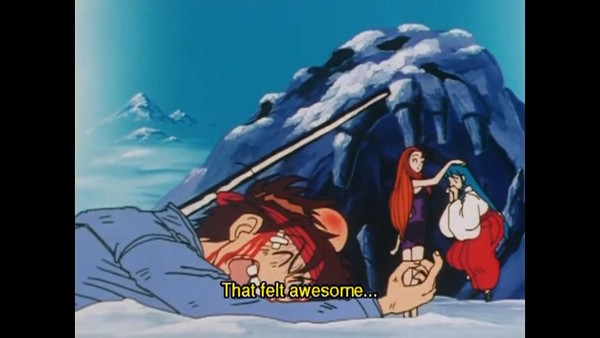
Plus the historical record. A couple of years back, I watched all of the original Dragon Ball, one of modern shonen's biggest urtexts, and had a great time. Bulma quickly emerged as my favorite character, and by quickly, I mean her very first scene. She runs Goku over with a car and shoots him with a gun. Queen shit.
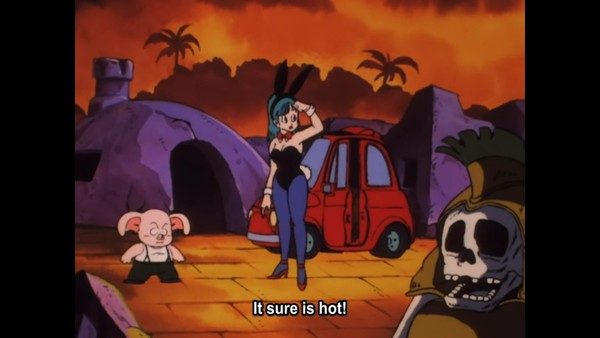
But she's also just been quickly made the butt of a lot of juvenile, bawdy humor, where the joke is her exasperation at these provocations. I mean, they put her in a bunny suit less than ten episodes into the series. That's gratuitous. It's not serious, of course, but it also doesn't resemble any of the humor directed at the guys in the story. There's a very clear delineation there.
It's interesting to think about, given that Toriyama's previous work was Dr. Slump, a comedy masterclass that itself starred a female lead. But even there and in his one-shot stories, the subject matter could run the gamut. The argument is that it was the 80s, progressivism absolutely wasn't in the same place.
And in Dragon Ball itself, you get the impression that a lot of the characterizations were down to attitudes of the time. Like I love Launch as much as anybody, but even her characterization is colored by some stereotypes about kinds of women. To say nothing of how she was famously forgotten about, falling by the wayside, a fate of many of the series' female characters. Though admittedly, that happened to plenty of people in Dragon Ball overall.
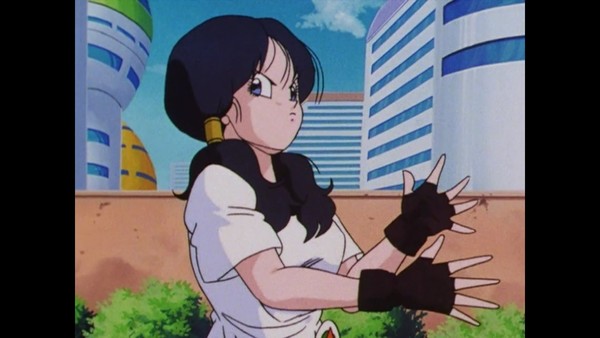
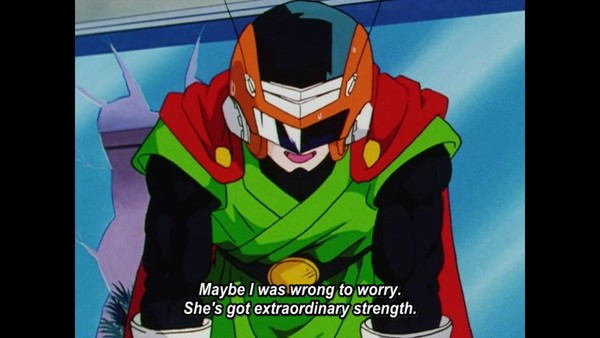
Sure, but I just finished watching the Cell Saga, and there was nary a molecule of estrogen on that battlefield, save Cell's digestion and regurgitation of Android 18. Seems like a lopsided ratio if you ask me. But I also won't accuse Toriyama of being incapable or uninterested in giving his female characters more even ground to stand on. Literally just today, I watched an episode where the moral was that Gohan actually doesn't need to swoop in and rescue Videl from all of her vigilante hijinks.
Plus, I like that Bulma sticks around as tech support, with her knowledge of science and engineering generally coming in handy. But DBZ's main focus is the fighting, and precious few women are allowed to seriously participate. Bulma stays on the sidelines as a mom. Chichi becomes a caricature of a helicopter mom. Videl is tough, but often is in over her head. The possibilities presented for women in DBZ are second-class at best.
And to (likely futilely) fend off counterarguments, I'm not expecting Dragon Ball to be a paragon of women's rights, nor am I accusing Toriyama of being cruelly sexist or the recipient of a malicious editor's edicts. Rather, I'm looking at Dragon Ball as a (ridiculously popular) product of its environment. It's the result of a patriarchal society where, if you don't make an effort to be introspective and thoughtful towards your own biases and blind spots, you end up writing things that reflect and reinforce the general atmosphere of the times.
Right, that's my same perspective on it. Referring to Ogino's anecdote, using sex appeal to sell anime and manga heroines to a presumably mainstream male audience has a long history behind it, alongside that atmosphere. Gunbuster, Dirty Pair, Bubblegum Crisis...hell, Ghost Sweeper Mikami ran in Weekly Shonen Sunday. These series brought in dynamic heroines who are arguably feminist in their ways and times. But also, they were undoubtedly deployed the way they were because...the creators, editors, and audiences wanted women who were cool and hot and nice to look at.
I'm a woman enjoyer! I like women. I like to look at women. I support women's rights and women's wrongs. But it's a problem when the majority of series in a genre hew too closely to the tenets of the Madonna-whore complex. When these patterns are observed over and over, they reinforce bad ideas in current readers and shut out a greater number of potential readers. There are many, many feminist critiques you can lob at it, but it's also a recipe for stagnation.
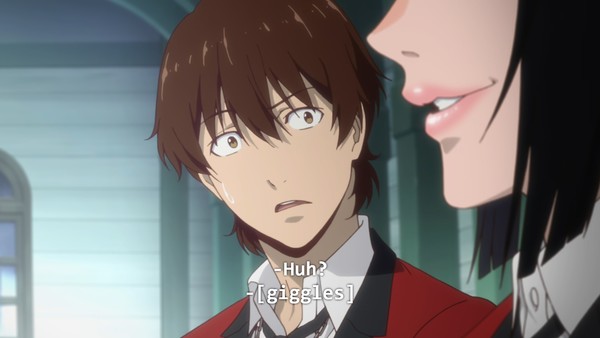
You can feel that limitation in the aforementioned presumed audience. Ghost Sweeper Mikami has its projectably hapless tagalong dude Tadao. And over two decades later, even the premiere women's wrongs showcase Kakegurui leads with a male viewpoint character so ultimately inconsequential that I don't blame anybody who didn't know he existed (or forgot).
It's those editorial reflections of the time we see less of now, comparatively, in series like Akane-banashi and Ruri Dragon, where there's less presumption that guys need someone to project onto instead of directly sympathizing with the girls.
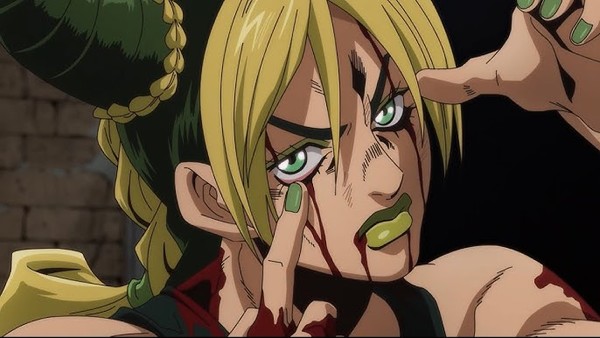
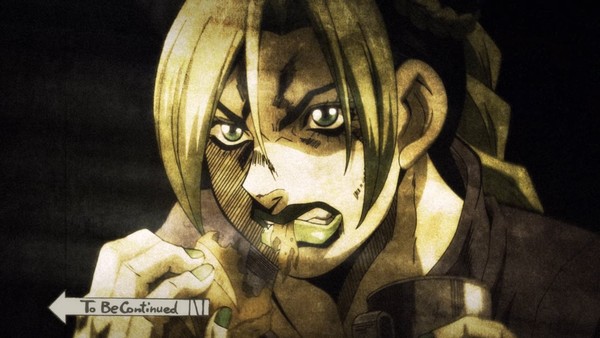
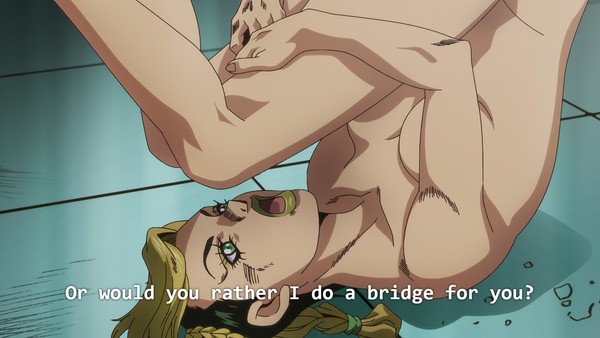
And that's not to say there weren't mangaka fighting the good gender fight much earlier. A little-known fella named Hirohiko Araki, when tasked with drafting the sixth part of his long-running series JoJo's Bizarre Adventure, decided he needed a break from drawing buff dudes with a taste for haute couture.
But to your point about sympathy, Araki writes in Manga in Theory and Practice: How to Create Villains, that he feared his readers might have trouble "accepting" Jolyne based on the reception to a previous work of his, Gorgeous Irene, which also featured a leading heroine.
Gorgeous Irene was in 1985, which hey, was also when Dragon Ball was getting under way. It's cool to get a direct line to Araki's thought process in working through the social notions of gender, especially as JoJo otherwise has such a reputation around its many male leads. In Manga in Theory and Practice, Araki talks about how the appearance of action heroines like Sigourney Weaver in Alien moved the needle—again reflecting the march of social progress that brought us to these places.
Also, I've got to be amused by how he brings up that Giorno's androgynous style in Part 5 also helped him transition to a female lead for Part 6.
He's an artist who refuses to settle and rest on his laurels, and that's why he's one of the greats. Linking back to last week's Ghost in the Shell column, you can also see the influence of women action heroes in the Major. And of course, just because a woman protagonist can fight doesn't mean she can't also be objectified or treated by the narrative in ways that a man never would. There are many moving parts to this equation. Although I do think Jolyne is one of the best heroines in shonen, so don't get that twisted.
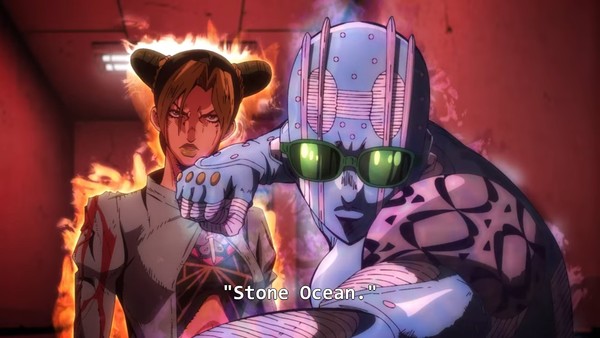
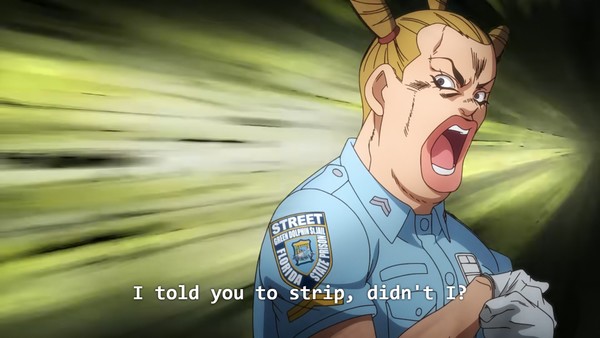
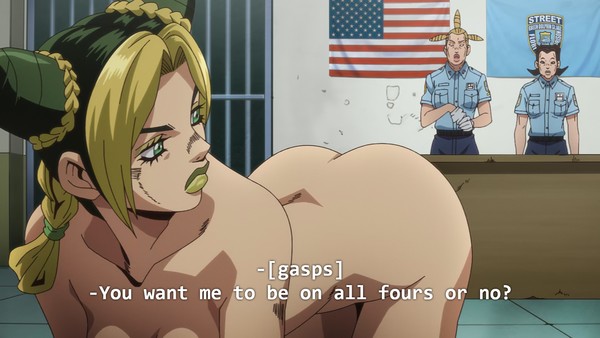
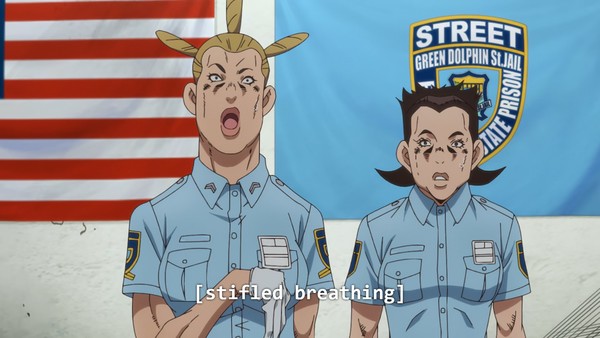
She's a big part of the draw that makes Stone Ocean a favorite of mine. Notably, while Jolyne isn't immune to attempts at exploitation the same way as other heroines we've mentioned, her character being filtered through Araki's sensibilities means it rings differently than, say, what happens to Momo in Dan Da Dan.
It's more than possible you have your cheesecake and eat it too. Stone Ocean owes a lot to legendary exploitation film Female Prisoner #701: Scorpion and its sequels, after all. It's a matter of attitude and execution. It's also a matter of variety. If we had more examples of compelling female protagonists in shonen, then we would have more to consider and analyze. A glaring fault in a single example wouldn't stick out as much.
Also, I can foresee the "shonen is for boys, so it should focus on boys" argument, and although we've already alluded to such, I want to clearly state that this rationale is bullshit. Set aside the fact that shonen/shojo/seinen/josei/etc are not genres, nor are they labels that enforce any kind of gender segregation; shonen manga and anime are some of the most popular on the planet. Everybody is reading and watching them, and each one of those people deserves stories that speak to their experiences.
The reports of the number of people who aren't boys reading Jump (and other shonen) make the rounds regularly. And as Akane-banashi demonstrates, it's possible, great even, to tell female-led stories that speak to all those audiences. Araki's tack with Stone Ocean also shows how leading ladies can work in big-name legacy stories.
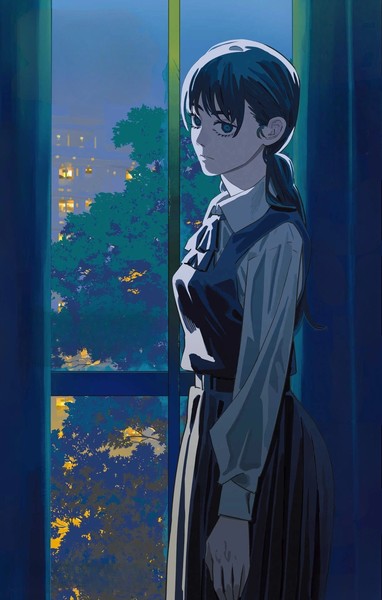
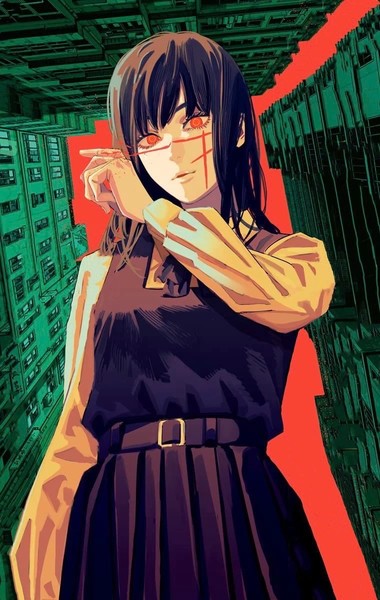
Like after Chainsaw Man wrapped its first part, Fujimoto started up the second stage of the series, not starring Denji, but instead Asa and her new BFF Yoru.
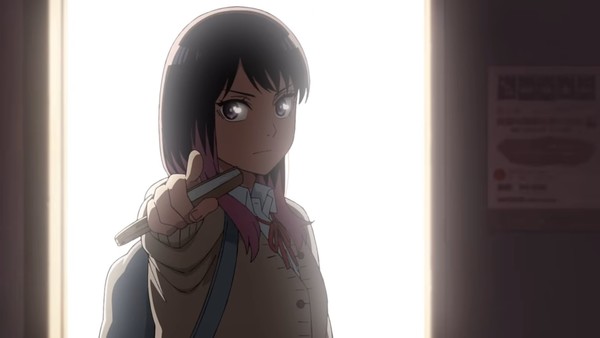
Asa speaks to another facet of this, which is the "how" of writing a good shonen heroine. Sure, you can write her as you would a boy, but you can also write her while fully cognizant that she's a girl, and that girls can have different experiences than boys typically would. Asa, to me, could only be a messy teenage girl wrestling with her messy teenage girl feelings. Those aspects of her character ground her in a very specific kind of adolescent malaise—one I could recognize and relate to, and in a way I didn't with Denji.
A variety of different kinds of protagonists lets you write a variety of different kinds of stories! Funny how that works out. You would also hope that branching out would help the perspectives of those shonen readers on all sides. That is, by seeing girls who were characters with perspectives in their own right and not just vehicles for exploitation or fanservice, the base boy readership might better understand that women are people.
Not that it's purely up to the media to drive social change. As we've detailed here, it's very much a give-and-take. But authors (and editors!) need to be willing to publish these kinds of stories if their audience is going to be able to read them.
Plus, if you'll allow me an excursion into the No Fun Zone, it's difficult for me to separate sexism in shonen manga from sexism in the shonen manga industry. We're not even three months out from the latest bombshell about managers protecting known sex offenders. And don't even get me started on Nobuhiro Watsuki and his friends in high places. These are consequences of and contributors to the misogynistic miasma that coats our entire planet. So when I hear a story about editors pushing for gratuitous sex appeal, I believe it. I know what that kind of "boys' club" is like. All of this is related.
Which is to say: I'm glad we're getting a greater number and variety of girls leading the stories in the shonen space. But even more important is serious advocacy for gender equality behind the scenes. And that starts with accountability. Real accountability.
That's another really good point. I can assess the treatment of fictional women in Dan Da Dan all day, but the treatment of actual people by actual abusers is way more important to handle. It's another thing, perhaps beyond the purview of our little column, beyond advocacy, but at least we can advocate.
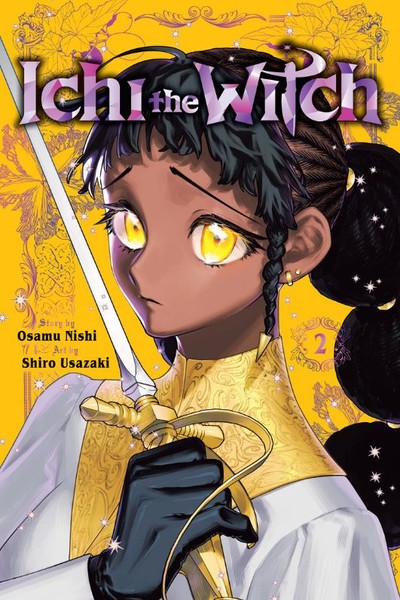
Like I'm really glad that previous act-age artist Shiro Usazaki is back in Jump with the acclaimed Ichi the Witch. But it does suck to know that the sex criminal who previously wrote with her was being propped up by Shogakukan after his offense. That doesn't speak to an editorial that gives a shit about women and girls as people.
But damn, do I respect Usazaki for turning things around when thrust into such an awful situation through no fault of her own. I hope her story inspires other aspiring women artists, and I hope we can see the day when this kind of career recovery is no longer an issue. We can build an industry that cares about women and their voices. It's not like we're colonizing Mars. This is achievable.
Araki remarked in his writing that "a female protagonist in a shonen manga is no big deal nowadays." I can only hope that the ubiquity of characters like Akane, Momo, and Ruri, as well as the steadfastness of creators like Usazaki, can inspire coming generations to keep progressing. It can only be good for the art form and for the creators who want to tell their stories without worry of weird impositions by editorial.
A new concert tour centered around the music of NieR:Automata is coming soon, and ANN has some tickets to give away!― NieR:Automata was met with near universal praise when it released back in 2017, lauded for its writing, iconic characters, and of course, its exceptional music. With 10 million copies sold, and the game's 10th anniversary on the horizon, creator Yoko Taro and his team have been cele...
Stuck in Natsuno's eye, Daigo never really had the same chance to move on from the bad old days like the rest of the Goko Clan remnants.― As a young man once said, life comes at you fast. Sometimes that means you don't have time to stop and really process what's coming your way. For Nanoka, that means that she has to keep moving forward, Natsuno's death notwithstanding. After all, there's still the ...
It's becoming more common for girls to be the protagonists of shounen manga. Sylvia and Chris discuss why that's a good thing.― It's becoming more common for girls to be the protagonists of shounen manga. Sylvia and Chris discuss why that's a good thing. Disclaimer: The views and opinions expressed by the participants in this chatlog are not the views of Anime News Network.Spoiler Warning for discu...
This is a very useful guide for visiting EVERY prefecture if you’ve got the money, while also emphasizing it's okay to make detours if you miss out on your planned destination.― If you could go to Japan, where would you want to go? It's a question every anime fan has asked before. Plenty of anime often double as tourism ads for specific prefectures, so it only makes sense that they'd want to visit t...
Director Yuichiro Hayashi shared commemorative illustration of Haru following 2nd season finale― The staff for the second anime season based on Q Hayashida's Dorohedoro manga announced on Wednesday that the series is getting a third season. Director Yuichiro Hayashi shared a special commemorative illustration featuring Haru singing for the sequel. TOHO Animation also began streaming a music video fe...
In this super-size interview, the anime staff behind the hit series Sentenced to Be Hero reveal one of the production's biggest edicts: no inner monologuing.― Studio KAI's Sentenced to Be a Hero anime adaptation wrapped up in March, with a promise of a second season in the wings. Over the course of 12 episodes, first-time anime director Hiroyuki Takashima and Saga of Tanya the Evil and Vinland Saga...
Creamy Mami: Forever Once More gives you enough to understand the new material and is a successful coda.― If you want to watch Studio Pierrot's original magical girl TV series, you are, as of this writing, largely out of luck. While the series received a crowdfunded DVD release back in the days of Anime Sols and was later streamed on RetroCrush, the DVDs are out of print, and RetroCrush no longer st...
With recent trends suggesting that the isekai anime bubble might soon burst, Coop and Lucas dive into why this may be and what this could mean for the anime industry in general.― With recent trends suggesting that the isekai anime bubble might soon burst, Coop and Lucas dive into why this may be and what this could mean for the anime industry in general. The views and opinions expressed by the part...
Deculture.― Japanese high-end toy manufacturer Bandai Spirits confirmed on Monday that it is releasing a new DX Chogokin toy for the SDF-1 Macross space fortress to mark 45th anniversary of the Macross science-fiction romance franchise. A nearly two-minute-long video showcases the fully transformable toy in both fortress and "storm attacker" modes. The English-subtitled video also highlights severa...
Welcome to Demon School, Iruma-kun rockets into #1 this week, also climbing 6 spots in the cumulative! Find out how your favorite shows performed in our weekly user rankings.― Let's have a look at what ANN readers consider the best (and worst) of the season,
based on the polls you can find in our Daily Streaming Reviews
and on the Your Score page with the latest simulcasts. Keep in mind that these ...
When it comes down to it, the main theme of this anime is the power of love.― With the back half of Tojima Wants to Be A Kamen Rider, the plot solidifies into one interconnected arc. Bat Man is taking a stab at world domination through the Japanese idol industry. Rather than turning only the strongest into Combatmen, Bat Man has turned every possible Japanese idol into one—and that's only step one o...


 @RiderStrike
 @BWProwl
 @LucasDeRuyter
 @vestenet